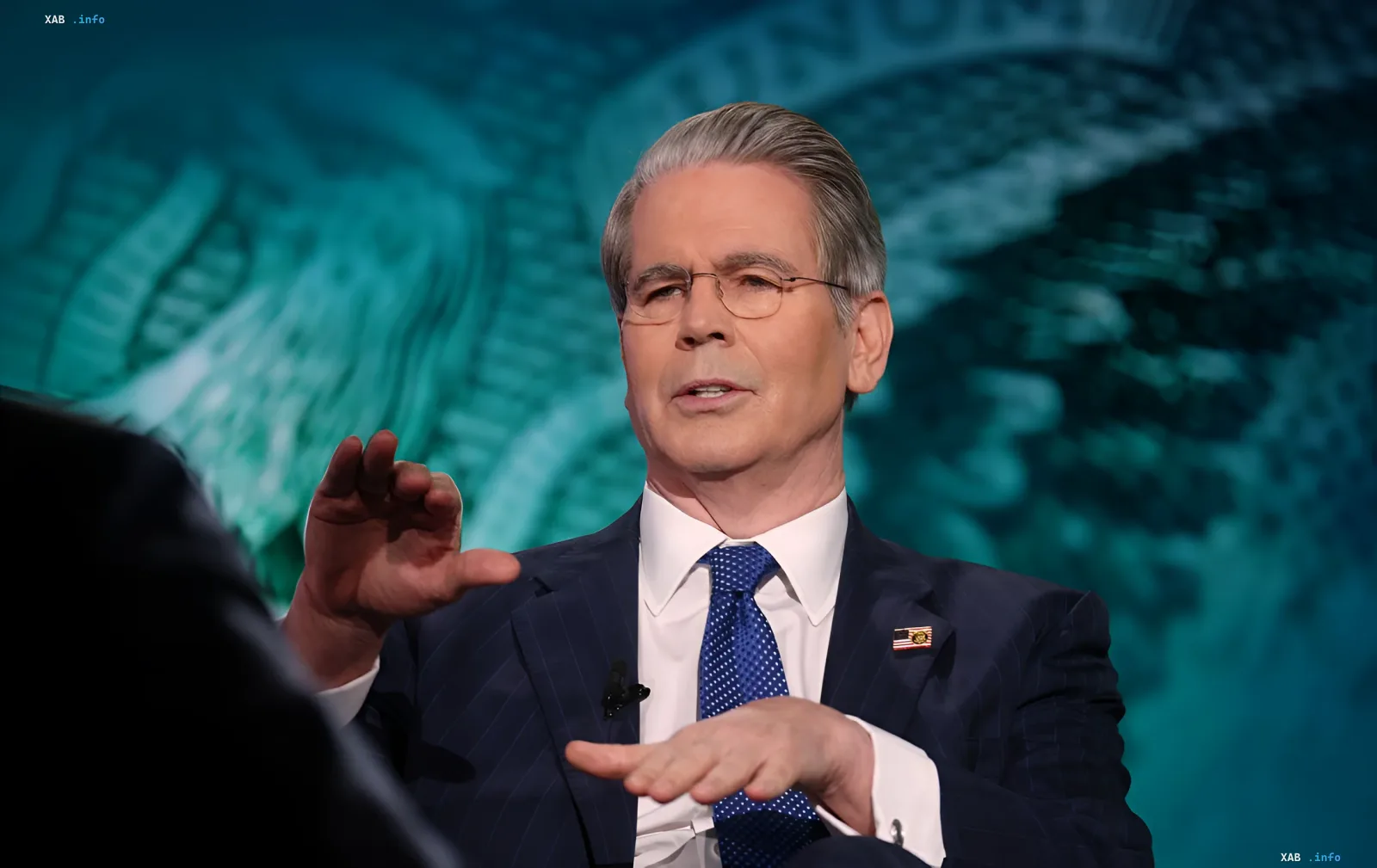
A new chapter in the economic war is unfolding in the Persian Gulf region. US Treasury Secretary Scott Bessent has made a bold statement that could radically shift the balance of power: Washington is prepared to use frozen Iranian assets to compensate its allies for damages.
The official published the administration's stance on the social network X, signaling that the inviolability of Tehran's funds is a thing of the past. According to Bessent, any levies paid to Persian Gulf countries as compensation will be funded by withdrawing money from Iranian accounts.
Economic Pressure and the Threat of Aggression
Thus, Iran's economy has come under new, unprecedented pressure. Bessent emphasized that any aggressive actions by Tehran will have direct financial consequences. "Every attack carried out by Iran will only deepen the economic and financial consequences it will face," the minister added.
We are talking about a colossal sum — approximately $24 billion. These funds are currently blocked, and Tehran is demanding their immediate return. However, in Washington, the situation is viewed differently: instead of returning the money to Iran, it could be transferred to the affected countries.
Tehran's Demands and the US Response
In negotiations with Donald Trump, Iran put forward a clear list of demands:
- the return of all frozen assets;
- payment of compensation for the consequences of the war;
- cessation of financial pressure.
However, the US has a completely different view of these funds. The Treasury Secretary is effectively threatening confiscation, turning frozen money into a tool of punishment.
Iran's Reaction and the Military Context
The Iranian leadership has already reacted to Washington's threats. Iran's Deputy Foreign Minister Kazem Garibabadi stated that the US has no right to dispose of this money. "Iran's assets are neither military trophies for Washington nor a fund to pay the wages of its allies," Garibabadi noted.
Tensions in the region escalated after Tehran shot down an American helicopter with a drone. US President Donald Trump promised to strike Iran in response, but a few hours later postponed the decision, citing the need for a measured approach.
Prospects for an Agreement
Despite the tough rhetoric, Washington is speaking of the possibility of a diplomatic solution. US Vice President JD Vance stated that the United States is currently in a position to conclude an agreement that is beneficial both economically and in the long term.
In the official's opinion, the document could be signed either next week or in a few months. However, he emphasized that this must definitely happen before the US midterm elections.


