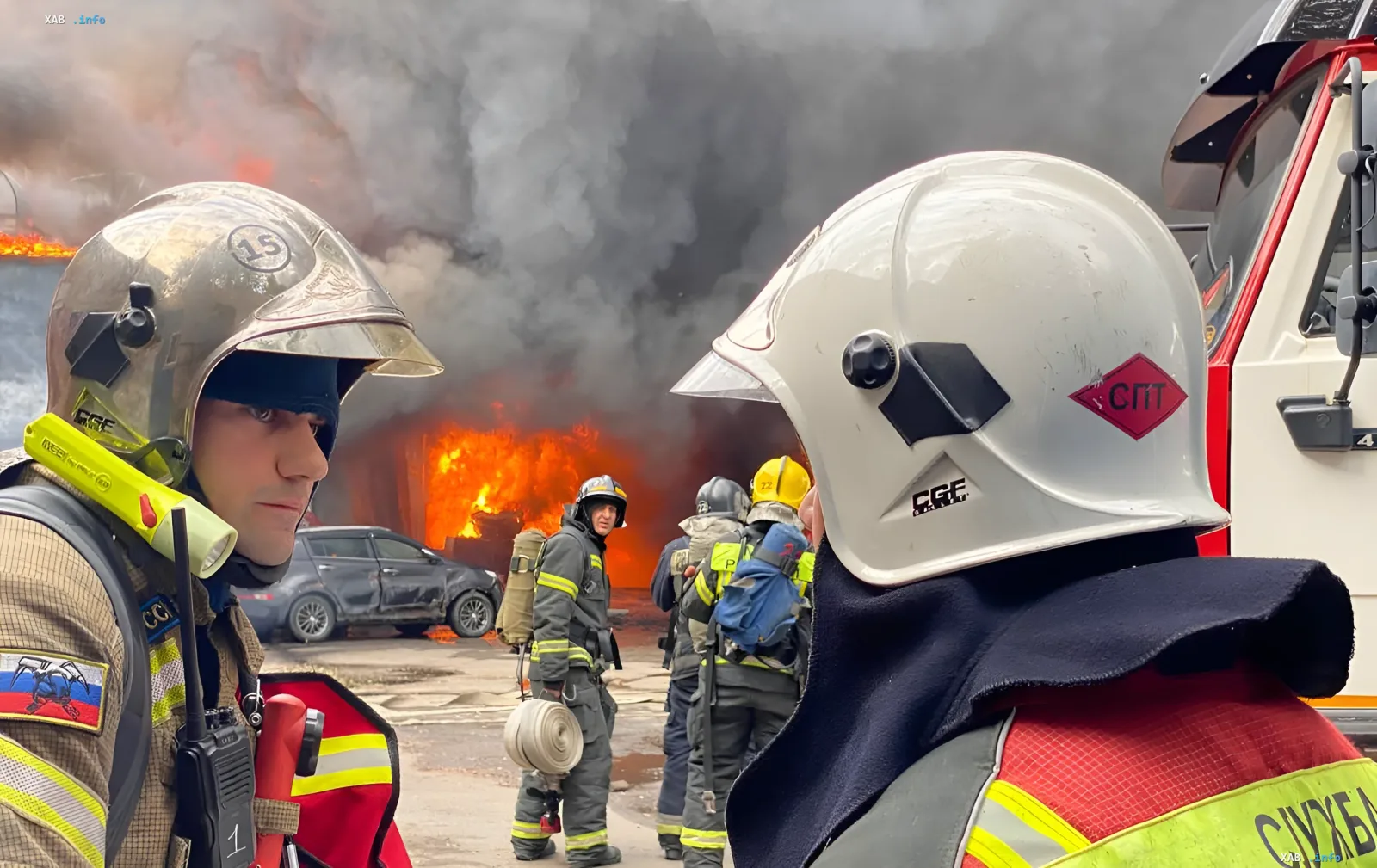
Large-scale rescue operations continue in Taganrog following a nighttime drone attack. A fire triggered by the strike has engulfed a significant area, forcing rescuers to urgently evacuate people from the emergency zone. The fire has not yet been fully extinguished.
Evacuation and situation on the ground
Taganrog city head Svetlana Kambulova confirmed that the threat from drones in the city persists. Currently, an operational evacuation of residents whose homes are in the emergency zone is underway. Rescuers continue to evacuate people from dangerous areas, although authorities have not yet revealed the full picture of the reasons for the evacuation.
Consequences of the attack
Rostov Region Governor Yuri Slyusar reported that the fire started at the Taganrog seaport following a drone strike. According to local authorities, the fire damaged the roof of an administrative building. At this time, there are no reported casualties or injuries resulting from the attack.
On the night of July 10, drones attacked Taganrog for several hours in a row. As a result of the ignition, fires broke out in two locations in the city at once — in the port area and near the aviation college.
Damage assessment and possible targets
According to ASTRA OSINT analysis, the fire occurred at the "Kurgannefteprodukt" oil depot. This suggests that the attack may have been aimed at critical infrastructure related to the region's fuel industry.
Context: fuel crisis in Russia
Fuel problems are affecting not only the Rostov region. In occupied Crimea on July 8, Russian President Vladimir Putin demanded that the government accelerate the decision on subsidies for Crimea and Sevastopol due to the fuel crisis. He proposed building a network of small oil refineries to mitigate the consequences of Ukrainian strikes on energy infrastructure.
The next day, July 9, it became known that Ukrainian drones had disabled up to 40% of Russia's oil refining capacity. As a result, about 50 million Russians lost access to fuel. These events highlight the strategic importance of strikes on fuel facilities and their impact on the internal situation in the country.


