
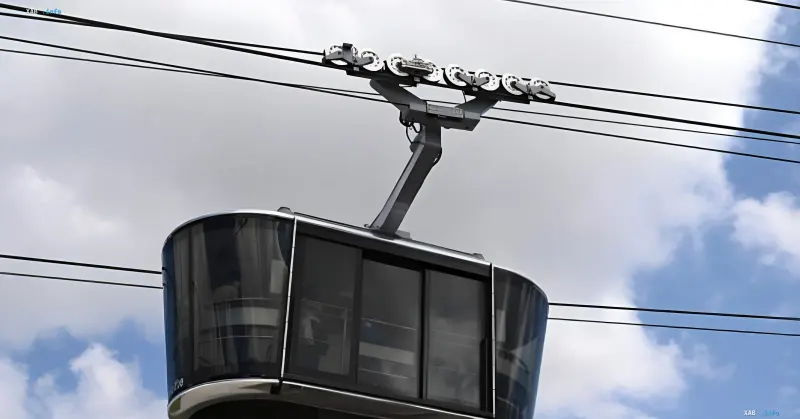
A unique infrastructure artery is preparing for launch in Northeast Asia, designed to transform logistics and tourism in the border region of two great powers. According to Xinhua News Agency, the construction of the cable car connecting the Chinese city of Heihe and the Russian city of Blagoveshchensk is nearing completion. The project, which started in 2019, is planned to be finished by the end of this year.
Technical Specifications and Crossing Speed
The engineering solution implemented across the Heilongjiang River (Amur) features a span of 970 meters. The system is equipped with two modern cabins, each capable of accommodating up to 110 passengers. The technical operating speed is 12 meters per second, allowing the crossing time of the water barrier between the cities to be reduced to a record 6–8 minutes.
According to calculations, the cable car will be able to handle approximately 2.6 million passengers per year in one direction. This solution will serve as a significant addition to the existing transport network, which includes road bridges and ferry crossings.
Economic Potential and Tourism
Zao Xinhong, Chairman of the Board of Jinlonggang Construction Company, responsible for the Chinese part of the project, emphasized the strategic importance of the facility. Heihe and Blagoveshchensk, located opposite each other, have historically maintained close economic and cultural ties. However, the new transport corridor is expected to take this cooperation to a new level.
"After the cable car is put into operation, Heihe will have a full-fledged cross-border transport network, including bridges, ferries, and cable cars. This will contribute to the synchronized development of tourism, logistics, trade, and many other sectors in the border region of the two countries," noted the contractor's representative.
Passenger Traffic Growth
Statistics confirm the growing interest in cross-border movement. In 2022, the first road connection was opened via the Heihe-Blagoveshchensk bridge. Combined with the existing visa-free policy, this led to a significant surge in the exchange of people.
In the first half of the current year, the number of passengers passing through the Heihe border checkpoint exceeded 568,000. This is 60% higher than in the same period last year. The launch of the cable car is intended to meet this growing demand and make crossing the border even more comfortable and fast.


