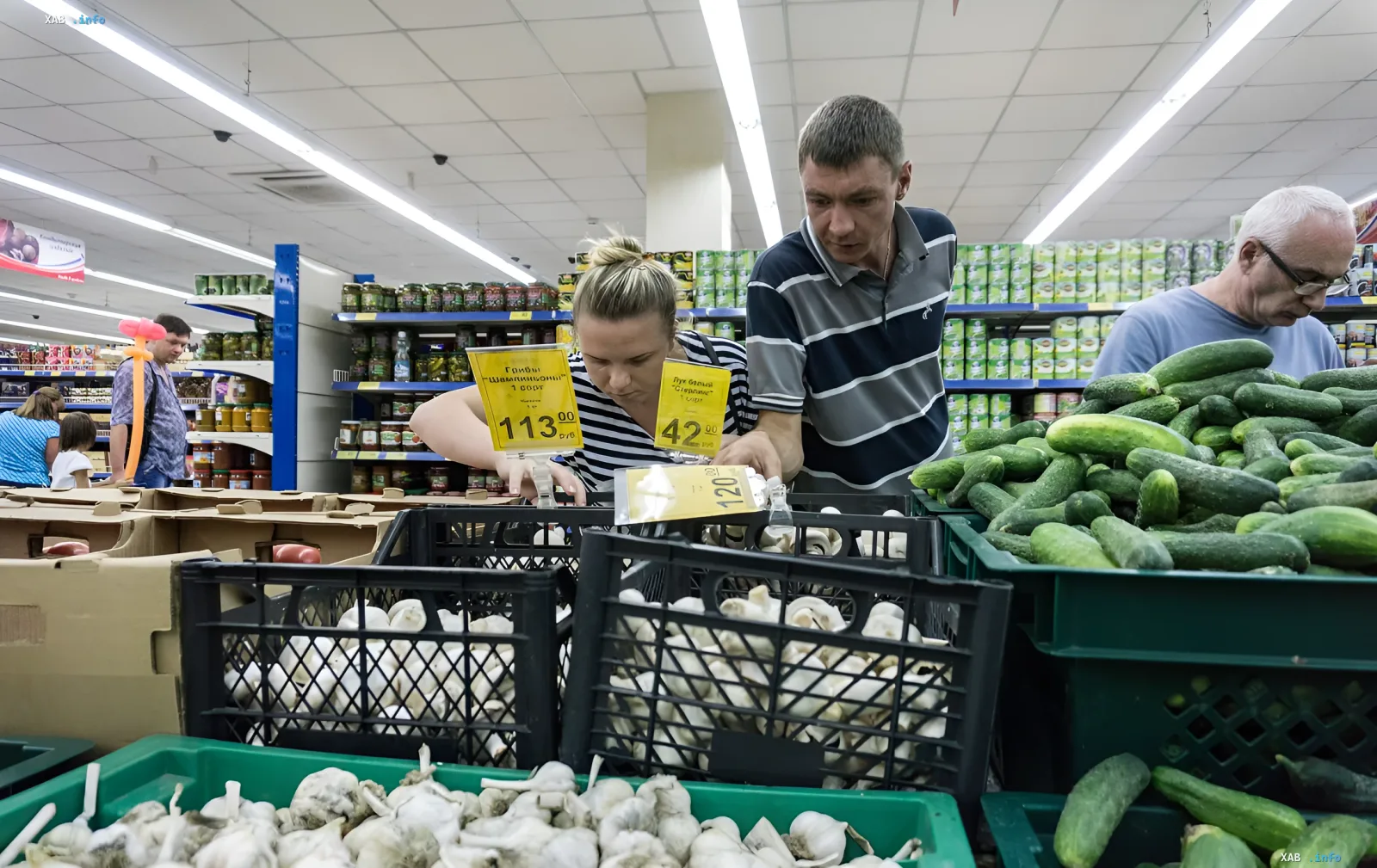
In Sevastopol, which is under Russian occupation, the situation with food and fuel has reached a critical point. Local residents have faced the introduction of strict restrictions on the retail sale of essential goods. The cause of the crisis has been systematic strikes on logistics infrastructure and oil refineries, leading to a disruption of supplies to the peninsula.
According to sources cited by RBC-Ukraine, referencing The Moscow Times, shortages have begun to be felt in retail trade. In one of the city's major supermarkets, "Dobrostroy," strict limits on purchasing products were introduced. Customers were banned from buying more than three bottles of vegetable oil and three packs of pasta per person. These restrictions were introduced in an attempt to prevent panic buying and ensure the minimum distribution of scarce goods.
Fuel collapse and the introduction of ration coupons
The problems with food products became a logical continuation of the fuel crisis that erupted on the peninsula earlier. Systematic attacks on Russian oil refineries and cargo transport along the R-280 "Novorossiya" highway, known as the "land corridor," led to an acute shortage of fuel and lubricants.
The occupation administration of Sevastopol was forced to react to the situation with emergency measures. First, the sale of gasoline was limited to 20 liters per person, and then ration coupons for diesel fuel were introduced. Local gas stations recorded the disappearance of popular gasoline grades AI-92 and AI-95. Subsequently, the so-called "governor" Mikhail Razvozhayev announced a complete cessation of the free sale of fuel at gas stations of the largest networks "TES" and "ATAN".
Currently, fuel is dispensed exclusively via ration coupons. To control the situation, special guards have been posted at gas stations to record the license plates of all vehicles to prevent repeat purchases and violations of limits.
Transport priority and banking system failures
Under conditions of resource shortages, the occupation authorities redistributed priorities. Fuel supply was prioritized for municipal and social transport, while civilian residents had to switch to a ration coupon system. Previously, strict limits were introduced on the purchase of AI-95 gasoline, and then AI-92.
Parallel to the logistical collapse on the peninsula, an internal economic crisis intensified. In early June, mass failures with bank cards began in Crimea. The payment system on the occupied territory suddenly "went down," making cashless payments unavailable in public transport and at key infrastructure facilities. This exacerbated the situation for residents, depriving them of the ability to pay for services in the usual ways.


