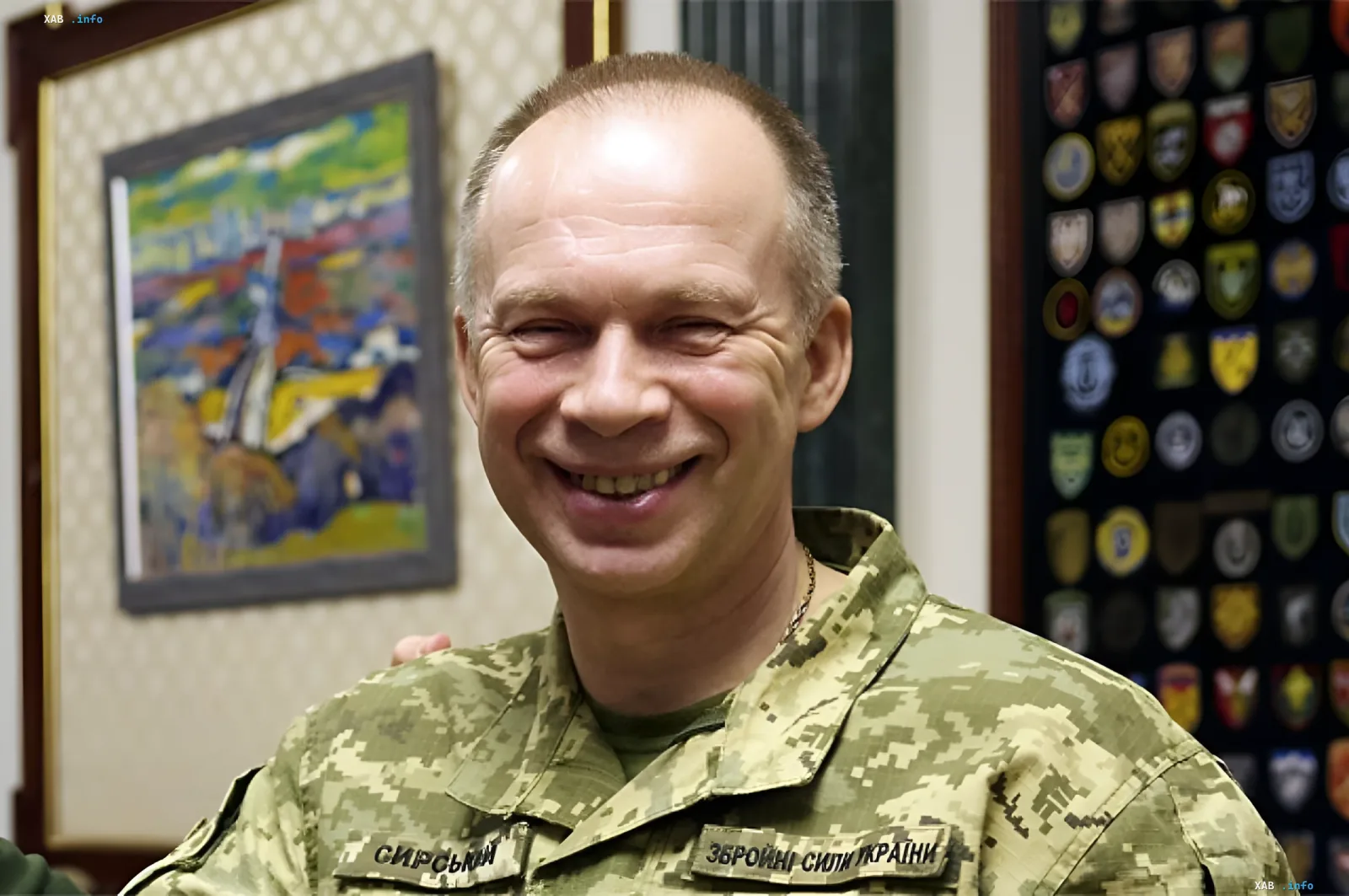
According to information obtained on 26 August 2026 from the general's circle and confirmed by Ukrainian media outlets, former Commander-in-Chief of the Armed Forces of Ukraine Oleksandr Syrskyi has enrolled in the doctoral program of the National Defence University of Ukraine (NDU). As reported by media outlets, in particular Slovoidilo, the general is preparing to work on his doctoral dissertation. No official public statement from Syrskyi himself or from the NDU press service has been recorded as of the time of publication, so the fact of his enrollment relies on reports by journalists and people from the military commander's circle.
Status in the army and refusal of civilian appointments
According to the same sources, after being relieved of his post as Commander-in-Chief in July 2026, Syrskyi underwent a military medical board, which deemed him fit for continued military service. Since the National Defence University is part of the structure of the Defence Forces of Ukraine, the general is, according to insiders, formally still listed as holding military status. At the same time, according to sources, he was offered a number of civilian and diplomatic positions, but he declined the move to the civilian sphere, focusing on academic activities. These details have not yet been confirmed by official documents and remain at the level of reports from his circle.
Background: personnel changes in the defence leadership
The decision to change the command was made against the backdrop of tensions in the defence sector in the summer of 2026. Earlier, on 20 July 2026, as reported by the outlet RBC, Syrskyi publicly apologized to former Defence Minister Mykhailo Fedorov, which became part of a broader conflict within the leadership. As a result, President Volodymyr Zelenskyy made personnel changes, appointing a younger commander to the post of Commander-in-Chief. Announcing the decision, the head of state emphasized that Syrskyi and former Chief of the General Staff Andriy Hnatov would not be "resting," and that their task would be to pass on their experience to the new army leadership. In this logic, the academic platform of the NDU is seen as one of the legitimate formats for fulfilling such a requirement.
Research topic and significance for military science
According to people from the general's circle, he is currently consulting with military methodologists on choosing a specific dissertation topic. His circle frames the task as the systematization and transfer of accumulated experience to Ukrainian and Western military specialists. The work is expected to be devoted to the doctrine of conducting a modern high-tech conflict, including the interaction of unmanned systems, electronic warfare means, and elements of maneuver defense. Even with partial classification, such materials, according to analysts, could form the basis for updated training and combat documents and interest specialists at the Pentagon and NATO.
Contradictory data
There are differences between source reports in the level of confirmation and in the interpretation of motives. On the one hand, a number of media outlets emphasize that enrolling in the doctoral program is a pragmatic step toward institutionalizing the lessons of the war and a continuation of the line set by Zelenskyy regarding the "no rest" for the former Commander-in-Chief. On the other hand, some observers interpret the decision more as a search for a status-based and safe position after a high-profile resignation. In addition, information about passing the medical board, the formal retention of military status, and the refusal of diplomatic posts is based on insider reports and is not supported by official statements from the general or the NDU. The exact age and biographical details mentioned in publications also vary depending on the source and require verification against the official dossier.
Conclusion: the trend of academicizing military experience
The enrollment of the former Commander-in-Chief in the doctoral program fits into a broader trend of the highest generalship converting practical command experience into academic works. In conditions of a rapidly changing nature of combat operations, classic Western military textbooks largely lag behind reality, and the systematization of the Ukrainian experience gains practical significance. Regardless of the interpretation of the motives, the preparation of a dissertation by a former Commander-in-Chief could become one of the notable events in the field of military science and education in the coming months.