

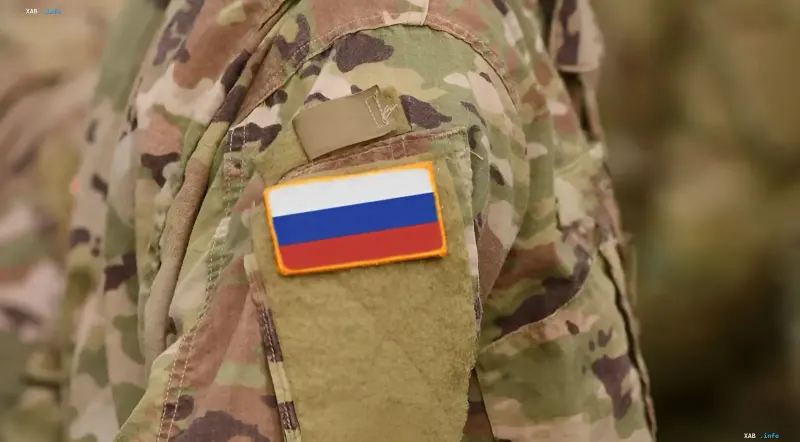
In the preparation of the 21st sanctions package against Russia, serious disagreements have arisen within the European Union that could slow down the adoption of the document. France and Italy, traditionally supporting a hard line towards Moscow, have criticized a key initiative — the introduction of a direct entry ban for former Russian military personnel. According to diplomatic sources cited by Bloomberg, Paris and Rome are not disputing the very idea of restricting access for combatants, but rather the legal construction and technical feasibility of the proposed mechanism.
The Core of the Disagreement: Sanctions vs. Visa Policy
The package draft, presented by the European Commission in June, provides for the institutionalization of restrictions at the pan-European level. According to the text, entry into EU countries should be closed to Russian citizens who served in the armed forces or participated in hostilities in Ukraine after February 24, 2022. However, the relevant departments of France and Italy point to a fundamental error in the choice of legal instrument.
Rome and Paris insist that personal and categorical restrictions are more appropriately implemented through national visa policy and the rules of the Schengen Borders Code, rather than through economic sanctions regulations. In the opinion of diplomats, mixing these spheres creates legal uncertainty and complicates the administration of measures.
Technical Barriers and Risks
The key argument of opponents of the current draft is the issue of data verification. The proposed format places the obligation to establish the fact of military service on the shoulders of the migration and border services of the member states. The authorities of France and Italy note that frontline border agencies lack operational access to reliable databases that allow for real-time verification of archival and current information regarding the service of citizens of third countries.
Furthermore, European diplomats express concern about the risks of an expansive interpretation of the wording. There is a fear that current texts could be used as a basis for restricting entry for broader categories of Russian citizens, which could lead to unforeseen diplomatic and legal collisions.
Economic Disputes: Oil, Gas, and Fish
The visa issue is just one point of tension. During the coordination of the 21st package, serious disagreements remain regarding economic blocks affecting the interests of various sectors of the European economy.
- Oil Price Cap: In the context of the changing global market conjuncture, options for fixing or adjusting the maximum price for Urals grade Russian oil are being discussed.
- LNG Shadow Fleet: The project provides for the extension of restrictive measures previously applied to oil tankers to tankers transporting liquefied natural gas. A number of states with a developed maritime sector are requesting transition periods to minimize commercial risks for their companies.
- Import of Bio-resources: Some EU capitals are analyzing the economic consequences of plans to introduce quotas or bans on the import of certain types of fish products, fearing a rise in prices on store shelves.
Complex Issues and Religious Organizations
Separate provisions of the package concern the expansion of personal lists, including representatives of religious organizations. This initiative has sparked internal expert discussions among union members, where issues of freedom of religion and the secular nature of the state traditionally occupy a special place.
Thus, the 21st sanctions package, intended to increase pressure on Russia, has encountered the need for detailed legal elaboration. France and Italy, advocating for the effectiveness of measures, are demanding a review of their implementation mechanisms to avoid bureaucratic failures and legal loopholes.


