
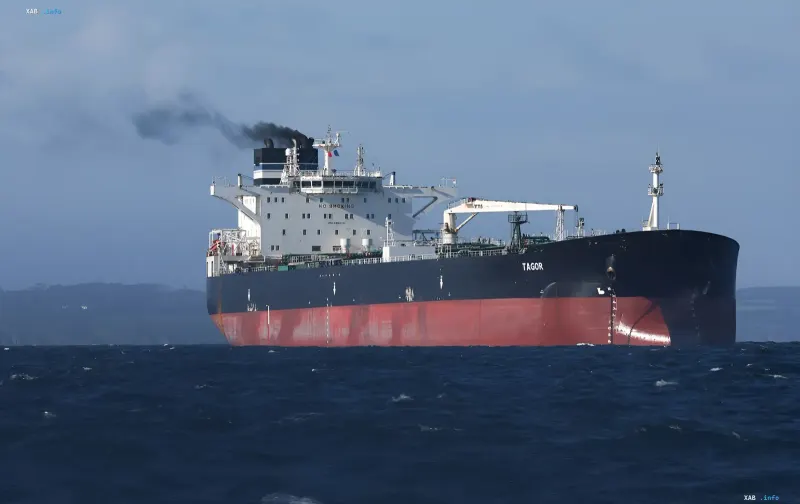
A French court has delivered its verdict in the case of the detention of the Russian tanker Tagor. The owner of the vessel, which is part of the so-called "shadow fleet," is ordered to pay a fine of one million euros. This decision is the result of an investigation launched after military personnel stopped the ship in the Atlantic Ocean at the end of May this year.
Reasons for detention and legal qualification
As stated by the prosecutor of Brest, Stéphane Kellenberger, the fine was imposed for the lack of a proper flag and the refusal to comply with the lawful demands of the French military. The incident began when the French Navy suspected the tanker of using a fake registration. The ship was sailing from Russia under the flag of Cameroon, but it had previously changed its registration data several times, which prompted close scrutiny.
On May 31, French military forces, acting with the support of international partners, intercepted the vessel. President Emmanuel Macron confirmed the operation in the Atlantic Ocean. After the detention, the tanker was escorted to Douarnenez Bay in the Finistère department, where the prosecutor's office initiated a criminal investigation.
Fate of the crew and prospects for release
During the operation, the Russian captain of the ship was arrested. However, he was subsequently released. According to the current procedure, the administrative detention of the vessel itself will be lifted after the completion of the guilt admission process. At that moment, Tagor will have the right to leave French territorial waters.
Context of the fight against the Russian "shadow fleet"
The detention of Tagor was not an isolated incident. In a similar operation, the French Navy stopped the tanker Deliver off the coast of Sicily. The ship was escorted to Fos Bay and is currently under the control of the Marseille prosecutor's office.
These events are taking place against the backdrop of increased pressure on Russian oil logistics. Legislators from Germany and France are calling for stricter inspections and the active detention of "shadow fleet" vessels. According to European politicians, these ships are used by Moscow to circumvent the oil sanctions imposed by the EU and the US.


