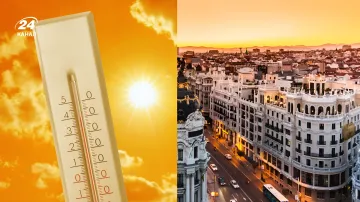

France is facing an unprecedented heatwave that has already led to tragic consequences. According to preliminary data, 2,025 deaths have been recorded in the country, significantly exceeding the norm for this period. In some areas, temperatures reached 43.8 degrees Celsius, creating extreme conditions for the population.
Catastrophic rise in mortality
The number of deaths increased by almost 65% in Paris and nearly 50% in the Centre-Val de Loire region. These figures reflect only about 60% of the total deaths and may rise further once full statistics are compiled. The situation is particularly alarming in nursing homes and among elderly people living without air conditioning.
Infrastructure overload
The unusually early heat has led to numerous wildfires, forced the closure of many schools, and placed a huge burden on hospitals. The increased load has also overwhelmed many funeral homes. Some funeral homes had to use additional refrigerated containers to preserve bodies, while institutions outside the capital were forced to accept bodies from the Paris region as their processing capacity was insufficient to meet demand.
Healthcare system challenges
Experts state that France has significantly improved its response capabilities following the historic heatwave of 2003, which claimed nearly 15,000 lives. Following that event, the country developed a heat warning system, refined weather forecasting, implemented public alert systems, and adopted measures to protect vulnerable groups.
However, many argue that these improvements still fail to address structural issues, such as the lack of air conditioning in hospitals, schools, and nursing homes. Experts are urging France to develop a long-term infrastructure modernization strategy to combat intensifying heat.
Political debates and decisions
French Prime Minister Sébastien Lecornu has promised to allocate hundreds of millions of euros for installing cooling systems in hospitals and nursing homes. However, the opposition, including the Green Party, argues that this level of investment is insufficient to solve the large-scale problems facing France.
According to a 2025 study by the French Ministry of Health, 41% of nearly 3,000 nursing homes lack air conditioning in common areas, and fewer than 10% of facilities have air conditioning in residents' rooms. This significantly hampers the protection of this vulnerable population group during extreme heat periods.
Future challenges
Preliminary data also showed that the number of deaths at home between June 22 and 28 increased by more than 91% compared to normal levels. Experts believe that once full data is published, the total number of heat-related deaths may be significantly higher, increasing pressure on the French government to accelerate climate adaptation measures and protect the elderly.