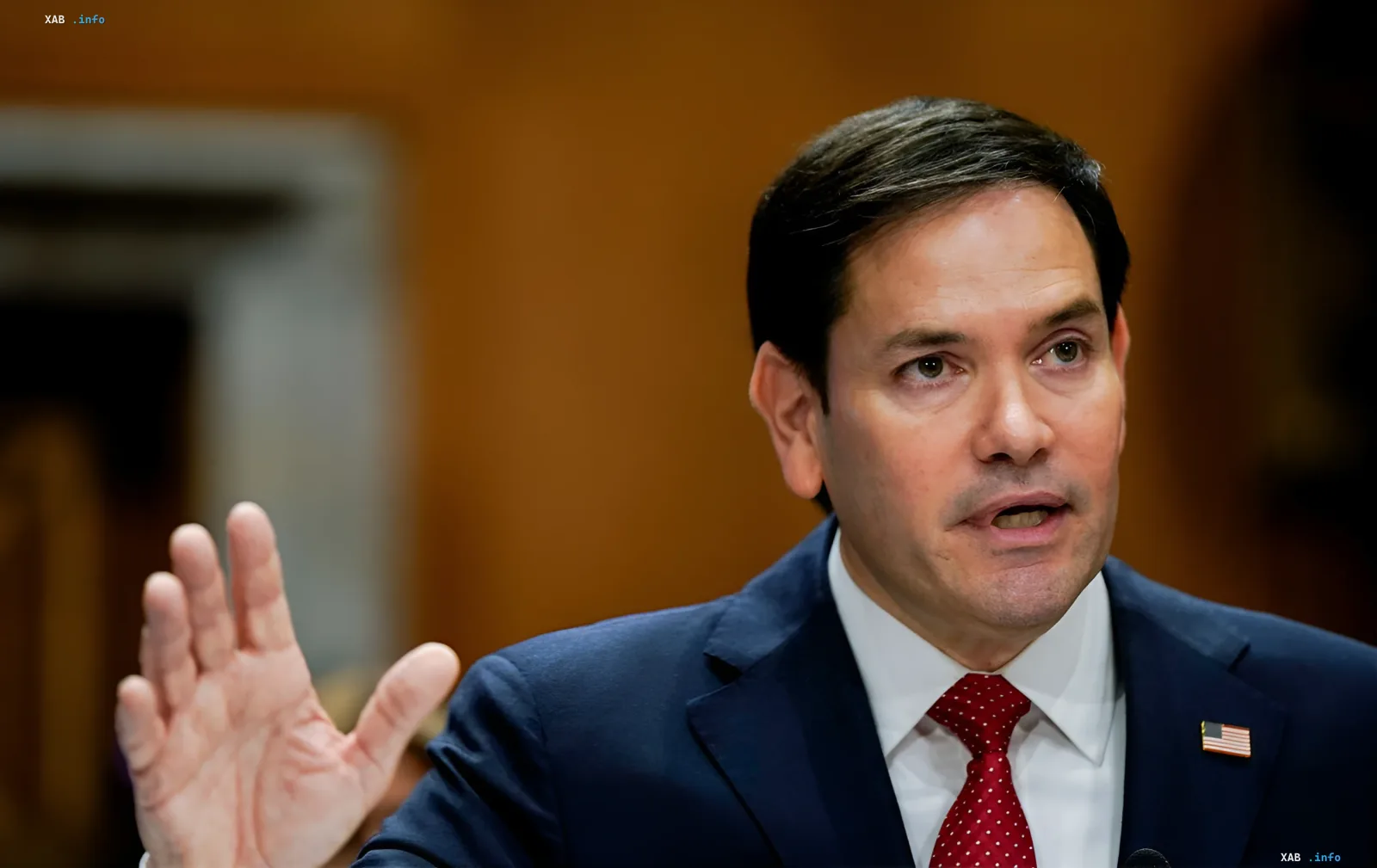
US Secretary of State Marco Rubio categorically rejected the possibility of introducing tolls for ships passing through the Strait of Hormuz. According to him, no state in the world will support such an initiative, as the strait is an international waterway that must remain fully open.
Washington's Position
In his statement, Rubio emphasized that any mechanism providing for the collection of money for the use of this corridor will meet with unanimous resistance from the global community. He cited the position of US President Donald Trump, who had previously stated that the introduction of such restrictions would not happen.
"I think everyone will be against this. The whole world will be against any mechanism that provides for charging fees for the use of an international water corridor," the American official noted.
Context of the Agreement with Iran
These statements were made against the backdrop of the signing of a framework agreement with Iran by Donald Trump on the night of June 18. Although the official signing was expected on Friday, the parties reached an agreement ahead of schedule.
Key points of the new document include:
- A 60-day ceasefire.
- Full opening of the Strait of Hormuz for the movement of civilian vessels.
- Launch of negotiations on Iran's nuclear program.
Reaction to rumors and new security measures
Immediately after the signing of the document, reports appeared in the media that Tehran had allegedly restricted the passage of ships through the strait. However, the Iranian Foreign Ministry later officially refuted this information.
Furthermore, according to CNN, Washington and Tehran have agreed to establish a special "hotline." This mechanism is designed to ensure the safe movement of merchant vessels and prevent incidents in this strategically important area.


