

Sudden Turn in France's Digital Policy
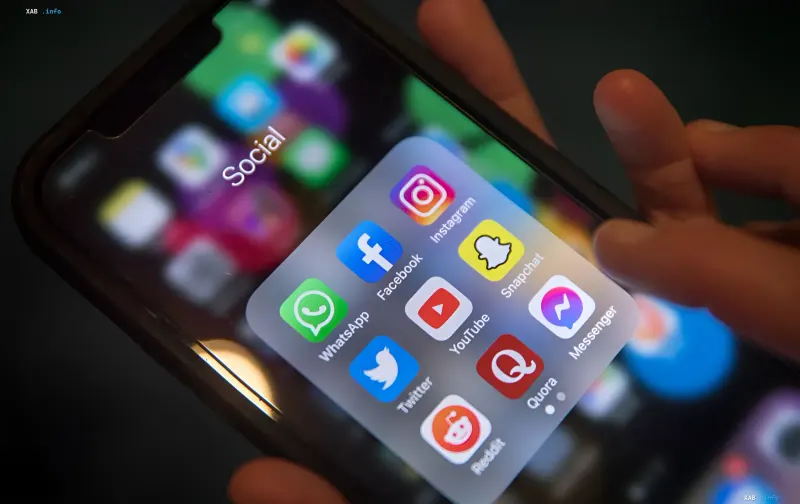
August 14, 2026, marked a turning point in the history of France's digital security. The country's Constitutional Council rejected a bill that would have banned children under 15 from accessing social media starting September 1. The initiative, which had garnered broad public support, was deemed to violate constitutional rights to freedom and privacy. The Council noted that the bill lacked clear age-verification mechanisms, rendering its application unconstitutional.
The bill, passed by parliament earlier in 2026, stipulated that all existing teenage accounts must be closed within four months, and platforms were required to implement an age-verification system approved by the French regulator CNIL. However, the lack of detail in the age-confirmation procedure proved fatal for the document.
President Macron's Stance and Plans for 2027
President Emmanuel Macron, who in April 2026 publicly urged teenagers to "turn off devices and read books," has now tasked Prime Minister Sébastien Lecornu with revising the bill in light of the Constitutional Council's remarks. A statement from the Élysée Palace emphasizes that the reform must come into force before spring 2027—before the presidential elections, in which Macron will no longer be eligible to run.
This creates a political context: the reform becomes part of a campaign program aimed at protecting youth and bolstering the president's image as a guardian of the next generation. However, the timeline and legal precision of the new draft remain in question.
European and Global Context: Who Has Already Banned Social Media for Children?
France is not alone in its efforts. At the European Union level, active discussions are underway regarding the introduction of unified rules to restrict children's access to social media. The reasons cited include threats to teenagers' mental health and manipulation by platform algorithms. However, no unified EU decision has been made yet.
Meanwhile, several countries have gone further: Australia became the first in the world to ban social media registration for children under 16. Greece and Spain are also considering similar measures at the national level. This puts pressure on France to keep up with the trend of digital protection for minors.
Contradictory Data
There are discrepancies in the interpretation of the Constitutional Council's position. On one hand, the official statement points to a violation of privacy rights due to the lack of clear verification procedures. On the other hand, some experts believe that the Council effectively supported the idea of a ban but demanded more precise legal elaboration. This creates uncertainty: will the new bill simply be refined or completely revised?
Furthermore, there are disagreements regarding timelines. The Élysée Palace speaks of the law coming into force before spring 2027, but legal experts warn that even with swift work by parliament and the government, implementation could be delayed due to the need for coordination with the EU and technical platforms.
What's Next: Risks and Prospects
Revising the bill will require close interaction between the government, regulators, and tech companies. Platforms such as Meta, TikTok, and YouTube may resist implementing complex age-verification systems, citing data leak risks and technical difficulties. Additionally, there is a risk of "grey areas" emerging—for example, the use of fake documents or bypassing restrictions via VPNs.
Nevertheless, public demand for child protection remains high. Polls show that more than 70% of French parents support banning social media for teenagers. This creates political pressure on authorities to find a compromise between protecting rights and ensuring regulatory effectiveness.