At the Italian port of Bari, law enforcement officers detained a 46-year-old French national who was transporting five transport-launch containers with military property in a minivan bearing French license plates. According to investigators, the man was stopped after disembarking from the Superfast II vessel, which had arrived in Bari from the Greek city of Patras. During the inspection of the vehicle, officers found five containers: one of them was empty, a second contained a training missile, and the remaining three held combat missiles. To determine the type and level of hazard of the cargo, experts from the Italian Army were brought in, and it was they who identified the signs of combat anti-tank missiles.
Blue tape and hidden markings
The key point of the inspection was the marking on the containers. They were affixed with blue adhesive tape, which under NATO standards is used to denote training equipment that does not contain explosives. This initially allowed part of the cargo to be perceived as harmless training property. However, after the blue tape was removed, the original yellow-and-black marking was discovered underneath, indicating the presence of an armor-piercing, high-explosive warhead. Thus, three containers that could have appeared to be carrying training equipment in fact contained Akeron combat missiles.
The driver's account and investigators' doubts
The detained Frenchman told investigators that he works as a subcontractor for a company specializing in the transport of military cargo. According to him, the shipment was carried out on order from the defense company MBDA, and the equipment was being sent to Greece for repair work by the company Altus LSA. However, Italian investigators established circumstances that cast doubt on this account: the transport company the driver cited is in fact owned by his wife and, according to investigators, does not specialize in military shipments.
Contradictory data
The case file contains several inconsistencies. On the one hand, the defense provided documents and a permit from the French Ministry of Defense, dated 2025, which confirms the formal basis for the transport. On the other hand, the court noted discrepancies in the dates and seals in the submitted documents, as well as the absence of the Italian permits required for the transit of weapons through the country's territory. Moreover, the driver's account of a legal shipment on MBDA's order contradicts the data showing that the transport company he cited is owned by his spouse and does not handle military cargo. Against this backdrop, the judge decided to place the suspect in custody, and the investigation must establish the origin of the military cargo and its final destination. At the same time, the available materials do not indicate that the French driver has already been found guilty of illegal weapons transport: he was detained at the stage of clarifying the circumstances of the case.
What is the Akeron MP
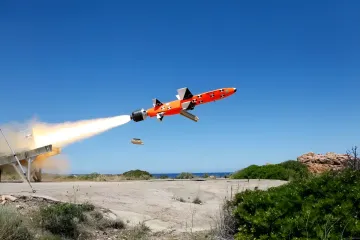
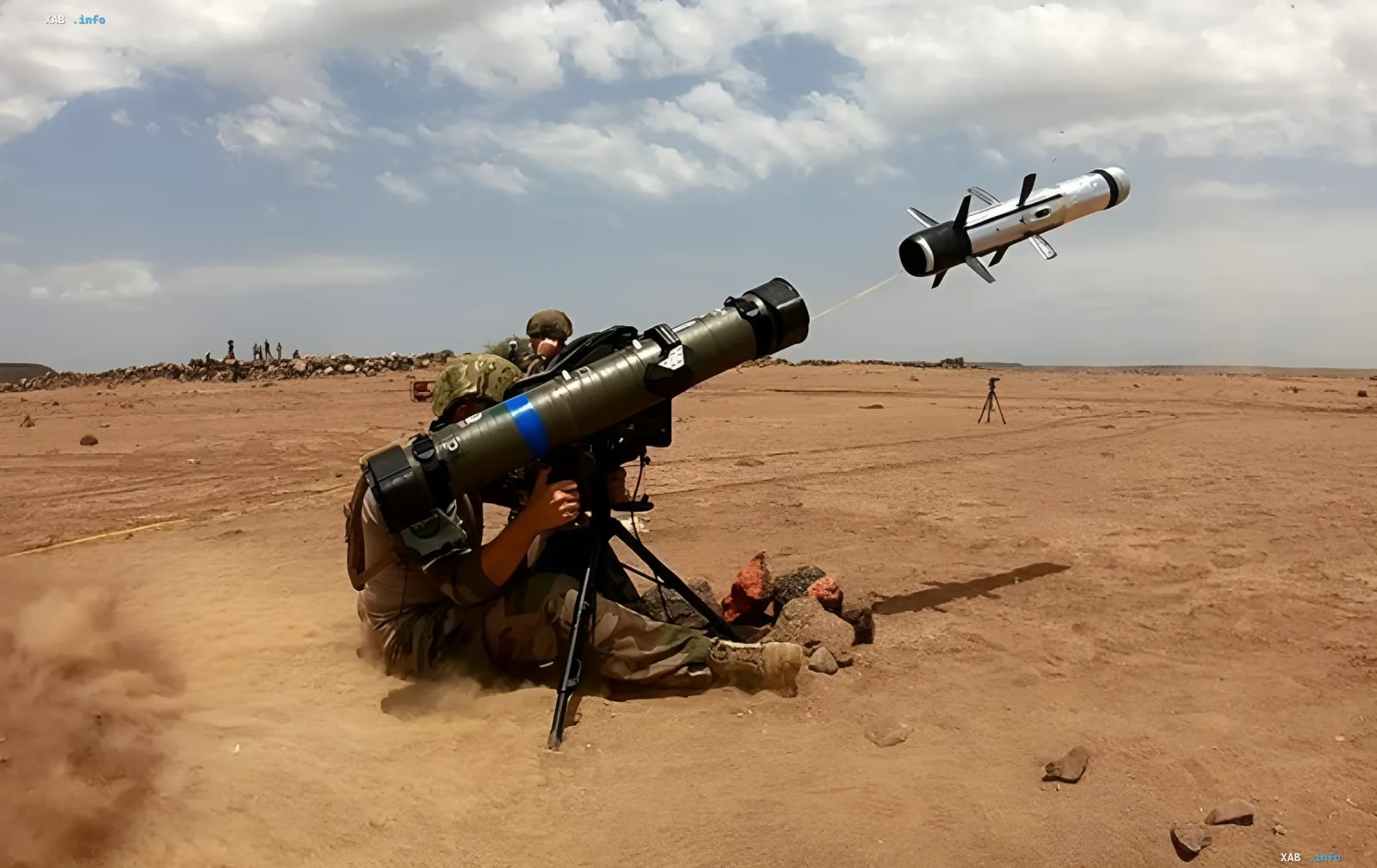
The Akeron MP is a fifth-generation French anti-tank guided missile system developed by MBDA. It is designed to destroy armored vehicles and fortified targets. The system can be employed at ranges of up to 4–5 km. The missile is capable of operating on a "fire-and-forget" principle, and also provides for manual flight correction via a fiber-optic channel. According to Italian experts, it was this type of weapon that was found in three of the five containers seized at the port of Bari.