The European air defense project FREYJA, which nine countries on the continent have already joined, will be built on the principles of open architecture. This means that the system will not be rigidly dependent on Ukrainian interceptor missiles, but will allow partners to integrate their own technical components, radars, and command centers.
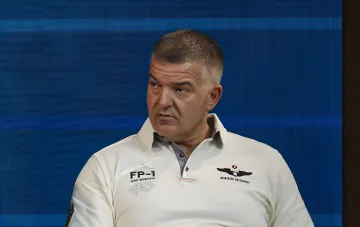
This was stated by co-founder and chief designer of Fire Point, Denis Shtilerman, in an interview with UNN, as reported by RBC-Ukraine.
Flexibility instead of monopoly
The developers of the FREYJA system intend to make it as adaptable as possible. According to Shtilerman, the company is ready to adjust software and equipment to the proprietary protocols of partner countries. If a European state wishes to use its own command centers instead of purchasing foreign analogues, technical integration will be ensured.
A key aspect of the strategy is the willingness to share intellectual property. Fire Point plans to open production facilities outside of Ukraine. This decision is intended to eliminate the risks of dependence on supplies from a single source.
"If for some reason Fire Point cannot produce missiles or produces an insufficient quantity — a company that shows interest in manufacturing interceptors for the FREYJA system will be able to obtain the necessary technical documentation and launch production by paying royalties for the use of intellectual property," explained the chief designer.
Economic calculation: the price tag
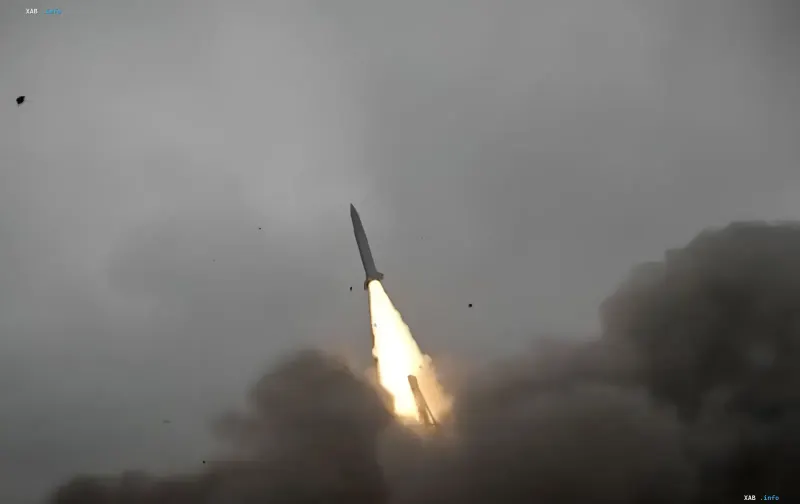
The basis of the complex is Ukrainian interceptor missiles of the FP-7.x family. They are capable of performing long-range interceptions and are equipped with an enlarged warhead. However, the main competitive advantage of the project is the cost.
The pricing policy of the Ukrainian manufacturer differs radically from Western analogues:
- The cost of an interceptor without a seeker head is about $500,000.
- The full missile configuration costs $750,000 – $800,000.
For comparison, existing Western analogues cost several million dollars per unit. Such a price difference makes the project economically attractive for scaling.
A single dome over Europe
Currently, the pace of implementation of the FREYJA shield depends mainly on the responsiveness of European partners. The necessary export licenses have already been obtained, and the project has moved to the stage of combining all elements of the system — from radars to missiles.
Aerospace expert Anatoly Khrapchinsky notes that the FREYJA defense system will combine advanced European radars and sensors with financially accessible Ukrainian interceptors. This approach allows for the creation of a single pan-European dome, similar to the Israeli "Iron Dome," and to completely rethink the architecture of sky protection on the continent.