Summer 2026 began with a calm uncharacteristic of war. In June, the Russian Federation noticeably reduced the pace of large-scale missile and drone attacks on Ukrainian territory. This is evidenced by data from the Institute for the Study of War (ISW), cited by RBK-Ukraine.
Analysts note a sharp departure from the tactics that dominated the first half of the year. If in previous months Russian troops regularly demonstrated the ability to launch hundreds of drones and missiles simultaneously, in the first month of summer the intensity of strikes dropped to a minimum. The exact reasons for this decline remain unknown at this time.
Change in the rhythm of war
Starting from mid-January 2026, the Russian army launched a campaign of massive air strikes. The statistics of using more than 300 air attack assets in a single strike formed a clear rhythm: occupying forces carried out one to three major strikes per week, followed by a one-to-two-week shift to less intense operations.
However, in June, this scheme underwent significant changes. Throughout the month, the enemy carried out only two attacks, during which more than 300 units of weaponry were deployed. These shelling incidents occurred on June 2 and June 15.
ISW experts note that there is no single explanation for such a reduction in activity, but they highlight two main hypotheses that may be influencing the current situation.
Return of escalation
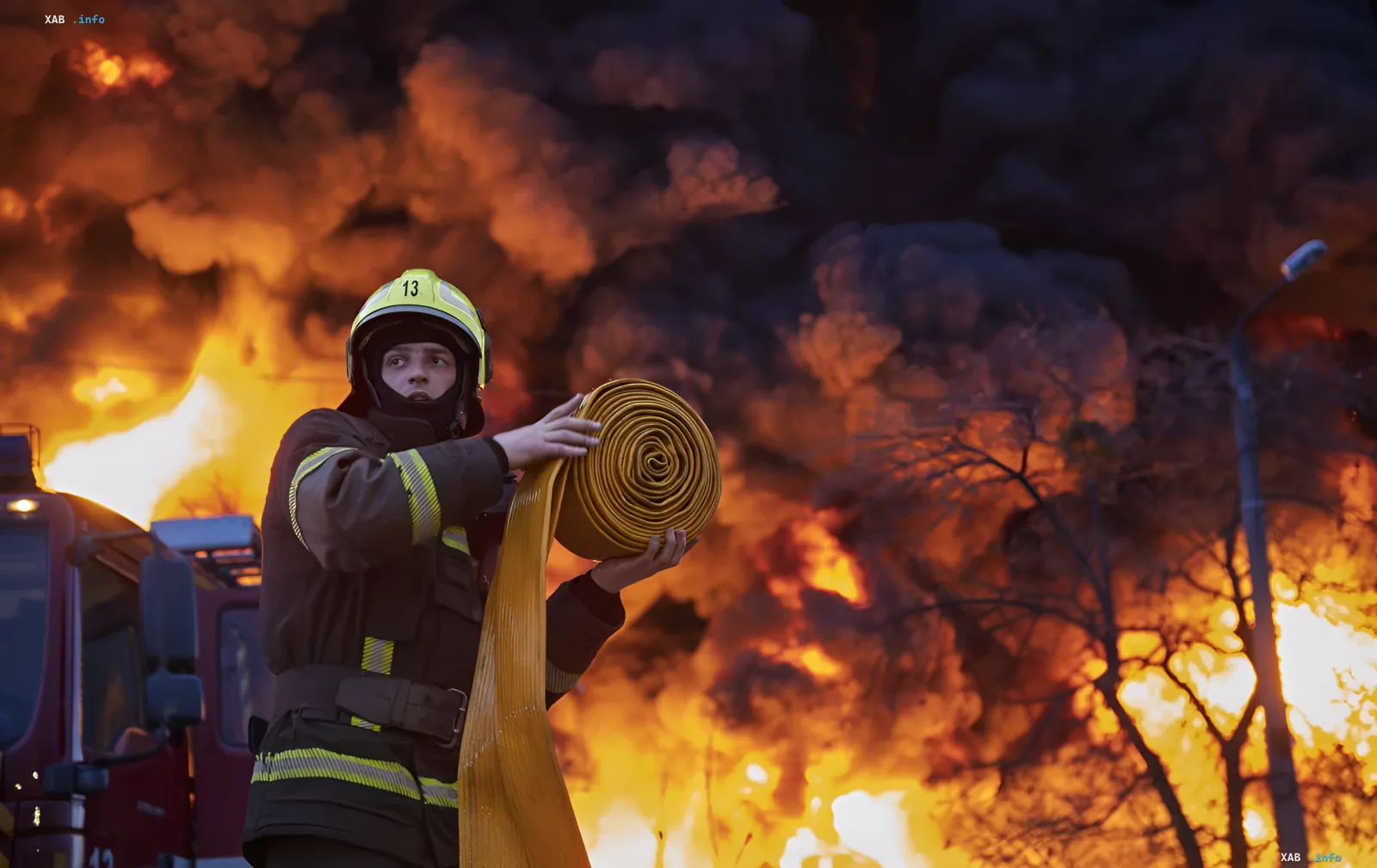
Despite the June calm, at the beginning of July, the enemy resumed the practice of large-scale shelling. On the night of July 2, Russian occupiers carried out a massive combined attack on Kyiv. During the strike, a large number of missiles and combat drones were launched, including the active use of new jet drones.
The results of the attack were tragic. In the Darnytskyi district of the capital, a destructive missile hit on a residential high-rise building was recorded. By 7:00 AM, 30 fatalities were reported.
The Kyiv Zoo also suffered from enemy strikes. As a result of the night attack, not only the administrative and utility buildings of the capital's menagerie were at risk, but also some animals that sustained injuries. Due to the need to eliminate the consequences of the shelling, certain locations in the zoo were temporarily closed to visitors.
In response to such a large-scale attack on civilian infrastructure, the President of Ukraine, Volodymyr Zelenskyy, assured that a just response would be given.


