
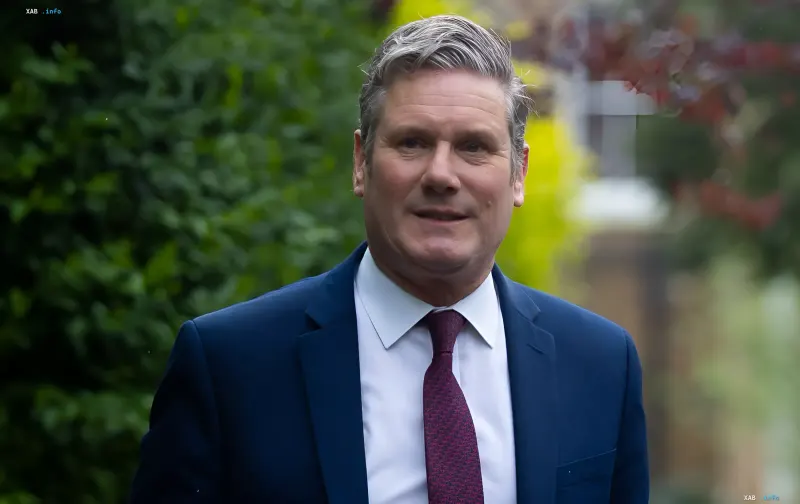
The British political scene is undergoing a major reshuffle that could have far-reaching consequences for international diplomacy. Former UK Prime Minister Keir Starmer, who recently left office as head of government, is considering continuing his career on a global scale. His focus is on the position of NATO Secretary-General, which is set to become vacant in 2028.
Plan B: From Downing Street to the Alliance Headquarters
Rumors about Starmer's potential move to international bodies have already been confirmed by sources within the British government. Downing Street notes that the former Prime Minister is consciously considering this step, understanding that a return to his previous life after leading the country is impossible. To implement his ambitious plan to seize the seat at NATO, the politician will need the stable support of the current United Kingdom government.
Starmer's supporters are confident in his chances, pointing to the high authority he has managed to gain among European leaders. A bright confirmation of this was the recent G7 summit, where the British leader demonstrated diplomatic and management skills. Furthermore, he boasts very close relationships with Ukrainian President Volodymyr Zelenskyy, which is a significant argument in current geopolitical conditions.
Succession Crisis in London
While Starmer plans his future outside Britain, a power transfer process is unfolding within the country. On June 22, the Prime Minister announced his resignation from the post of head of government and leader of the Labour Party. This decision was the result of a conversation with King Charles III and an ultimatum from the parliamentary faction, dissatisfied with the party's falling ratings.
This change of power is already the sixth in the last 10 years, highlighting the instability of British politics. The new head of government is expected to be Andy Burnham, former Health Minister and ex-Mayor of Greater Manchester. One of the ministers, commenting on the change of leader, noted: 'Andy makes being ordinary almost easy. But it won't be that simple, because being Prime Minister is an unusual job'.
Complex Challenges for the New Prime Minister
The current head of government has already promised to demonstrate dignity and help Burnham with the transition of power. However, the successor will have to solve a systemic crisis that neither the Conservatives under Boris Johnson nor the Labour Party after their massive election victory in July 2024 were able to handle.
On the new Prime Minister's priority list are migration issues, the consequences of Brexit, and overcoming the internal economic deadlock. Although Burnham consistently supports Ukraine, experts warn: his focus may shift to solving the country's internal problems. For now, Starmer, remaining in the shadows, is focused on promoting his defense investment plan, trying to leave a positive mark before a possible departure into international politics.


