
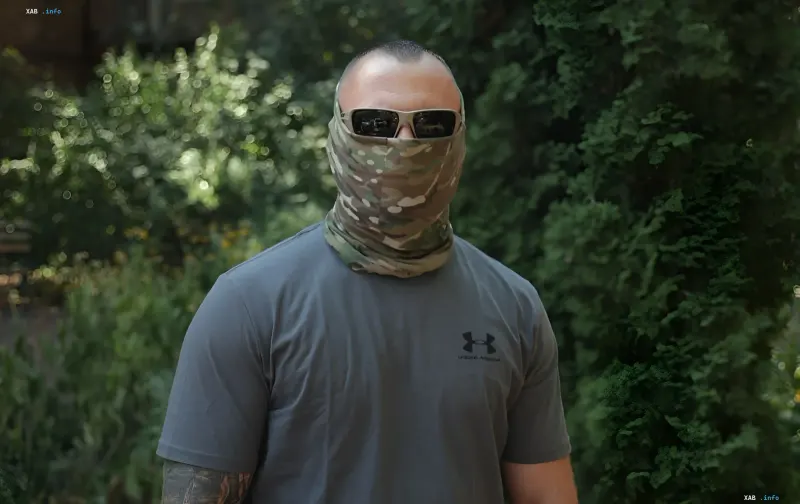
More than a decade after the start of the conflict in Donbas, the landscape of modern warfare has undergone radical changes. If in 2015 a single reconnaissance drone per company was considered a rare luxury, today an FPV crew of four people is capable of performing tasks that previously required large infantry units. The evolution of unmanned systems and the transition from passive defense to active strikes were discussed by the soldier with the callsign Gots, commander of a special unit crew of the Department of Active Operations of the GUR of the Ministry of Defense of Ukraine 'Artan'.
Evolution from Infantry to Special Forces: Gots' Path
Gots' story began in 2015, when he, having just finished school, went as a volunteer to defend the Luhansk region. In the first years of service, he was a regular infantryman performing defense and offensive tasks. At that time, DJI 'Mavic' type drones were used extremely limitedly — mainly for artillery and mortar correction. Night operations using drones were practically impossible due to a lack of equipment.
The turning point came in 2023, when Gots began actively mastering the FPV drone direction. Despite the lack of official approval from the command, he and his group of volunteers independently found equipment and conducted training. It was during this period that they carried out their first successful night operation, destroying a Russian position, of which the command learned only from photos of the aftermath. This case became a catalyst for reviewing the tactics of drone use in the troops.
Special Unit 'Artan': A New Philosophy of War
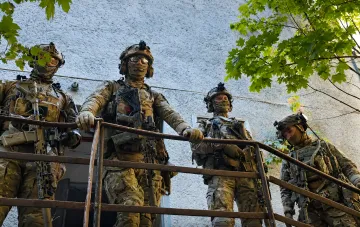
In 2024, Gots transferred to the special unit 'Artan', where the approach to conducting hostilities differs radically from traditional units. Here, every fighter is evaluated based on work results, not rank or length of service. The commander of the 'Titan' unit emphasizes minimizing personnel losses, which is especially important given Ukraine's limited human resources.
In 'Artan', pilots can make up to 30 sorties a day, using various types of unmanned vehicles — from radio-controlled FPV drones to fiber-optic drones. This allows for the execution of tasks of any complexity: from reconnaissance to precision strikes on enemy shelters. Special attention is paid to using drones for reconnaissance in buildings and dugouts, which significantly facilitates the work of assault groups.
Contradictory Data
While Gots emphasizes the effectiveness and flexibility of drone use in 'Artan', there are disagreements regarding the scale of their use in other units. Some sources indicate that in regular troops, the use of FPV drones is still limited due to bureaucratic barriers and lack of training. Others claim that drones have become the standard for most units, especially after successful operations in 2023-2024.
The Future of War: Drones as the Basis of Tactics
Today, drones are not just an auxiliary tool, but a key element of modern tactics. They allow for reconnaissance in conditions inaccessible to traditional methods and deliver precision strikes with minimal risk to personnel. Gots is confident that the future of war lies with unmanned systems, and their role will only grow. However, despite technological progress, the human factor remains decisive — it is the experience and determination of the pilots that determine the success of operations.