
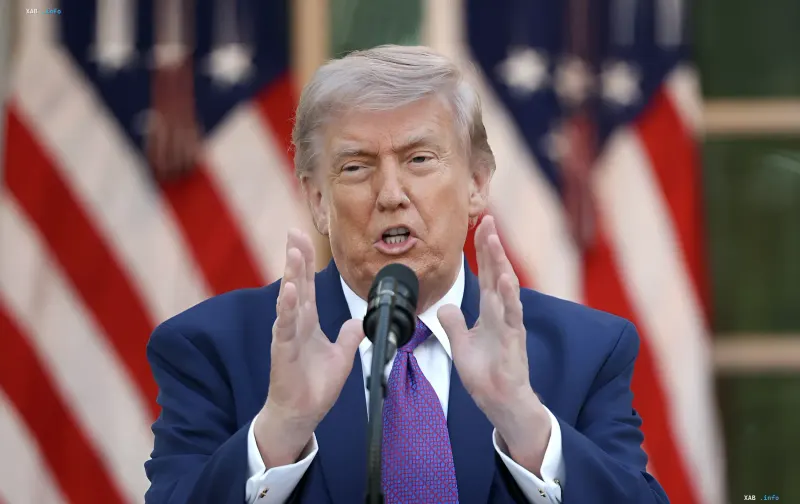
The NATO summit in Ankara gave the world one of the most vivid diplomatic 'rollercoasters' in recent years. US President Donald Trump, who began the meeting with sharp criticism of Spain, admitted just a few hours later that Madrid had 'completely changed its position.' At the center of the conflict was the issue of contributions to the alliance's budget and, consequently, the fate of trade relations between the two countries.
'Terrible Partner' and the Threat of Boycott
The situation escalated in the first hours of the summit. Donald Trump publicly called Spain a 'terrible partner' in NATO. The rhetoric of the American leader was unprecedentedly harsh: he did not just express dissatisfaction but also ordered an immediate halt to all trade with the kingdom.
This step was taken against the backdrop of sharp disputes within the alliance regarding the distribution of defense spending and the discussion of strategy towards Iran. Trump, known for his pragmatic approach to international politics, used economic pressure as a lever to achieve his goals.
A Sharp Turn: From Ultimatum to Acknowledging Generosity
However, the drama unfolded rapidly. Only a few hours passed, and the tone of communication between Washington and Madrid changed radically. Trump softened his rhetoric, stating that he did indeed have problems with the Spanish leadership, but they had been resolved.
'Today, Spain showed great generosity,' noted the head of the White House. According to him, Madrid fulfilled Washington's request regarding 'the payment of significant sums.' This acknowledgment signaled that the threat of a trade embargo had been lifted.
What is the essence of the deal?
Details of the 'truce' were clarified by the spokesperson for the Prime Minister of Spain, Pedro Sánchez. According to him, the conflict was related to meeting NATO target indicators. Madrid agreed to increase defense spending to 2% of the country's GDP, which became the condition that satisfied the American leader.
Spanish authorities characterize this incident as a 'staged quarrel,' behind which there was no real deep crisis in relations. Madrid emphasizes that to date, no economic consequences or reduction of investments in the country have been recorded, despite Trump's loud threats.
Context: NATO, Iran, and Security
This episode occurred against the backdrop of broader discussions about the future of NATO and the role of the US in the alliance. Earlier, Trump had already made important statements about America's membership in the organization, questioning some principles of collective security.
Parallel to this, other hot topics were discussed, including negotiations with Iran. As became known, Trump publicly lied about the conclusion of these negotiations, which added tension to the overall picture of international diplomacy. Furthermore, reports appeared in the press that the US president could become a victim of an assassination attempt, which only highlights the instability of the current political situation.
The story with Spain demonstrates how fragile the balance in international relations can be when money and geopolitical ambitions are at stake. But, as practice shows, even the loudest threats can be neutralized by the right calculation and timely compromise.


