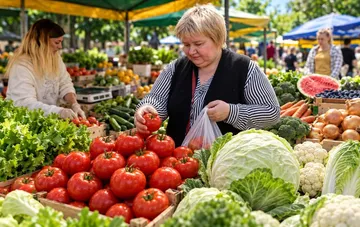
A pronounced seasonal price reversal took hold in the Ukrainian food market during the first week of November 2026. According to monitoring data from the EastFruit project, cited by RBC-Ukraine, prices for cucumbers, bell peppers, zucchini, eggplant, and garlic rose between October 30 and November 6, while potatoes, carrots, and onions continued to drop in price. Analysts attribute this dynamic to the transition from the field season to greenhouse production and the start of sales of some produce from storage facilities.
Vegetable segment: two opposite trends emerging
Cucumbers lead the price increases, with retail prices rising from 90–120 to 110–145 hryvnias per kilogram. Bell peppers increased from 40–100 to 55–115 hryvnias, zucchini from 40–50 to 47–55 hryvnias, eggplant from 50–60 to 60–70 hryvnias, and garlic from 100–170 to 120–180 hryvnias per kilogram. Root vegetables and onions moved in the opposite direction: potatoes fell from 13–15 to 10–15 hryvnias, carrots from 12–15 to 11–14 hryvnias, and onions from 14–18 to 12–16 hryvnias. Cauliflower dropped from 25–35 to 25–30 hryvnias, while white cabbage (11–20 hryvnias) and tomatoes (60–100 hryvnias) held steady at previous levels.
Cucumbers — the main growth outlier
According to EastFruit analysts, cool weather across most of Ukraine led to a significant contraction in cucumber supplies, with volumes from local greenhouses dropping by about half over the week. On average, prices for this vegetable rose by 32% over the period, and producers are increasingly selling in small wholesale batches due to deficits. Additional price support comes from a lack of import competition and high demand from wholesale companies and retail chains. Experts suggest that as early as next week, importers may begin supplying cucumbers from abroad, which could halt the price surge under the pressure of cheaper foreign alternatives.
Greens and fruit segment: almost everything is up
Among greens, green onions dropped (from 180–200 to 130–180 hryvnias) and parsley dropped (from 125–135 to 120–130 hryvnias), while dill held at 155–165 hryvnias per kilogram. In the fruit segment, most items saw increases: pears rose from 35–100 to 35–135 hryvnias, lemons from 60–75 to 65–80 hryvnias, and tangerines from 80–140 to 90–145 hryvnias. Prices also grew for bananas (from 70–75 to 72–80 hryvnias), grapes (from 60–150 to 70–160 hryvnias), kiwi (from 70–120 to 70–125 hryvnias), and persimmons (from 90–100 to 100–120 hryvnias). Apples remained unchanged at 20–30 hryvnias per kilogram, while oranges were the only notable fruit to drop in price, falling from 85–110 to 60–100 hryvnias.
Forecasts for late 2026
Earlier, RBC-Ukraine reported that bread prices could rise by another 10% by the end of 2026 despite potential drops in grain and flour prices, as producer costs for fuel, electricity, logistics, and labor continue to exert pressure. For borscht set vegetables, experts forecast a gradual price stabilization, but do not expect a significant overall decrease before the end of the year. Product costs will be influenced by the transition to selling stored vegetables, harvest quality, and storage expenses.