

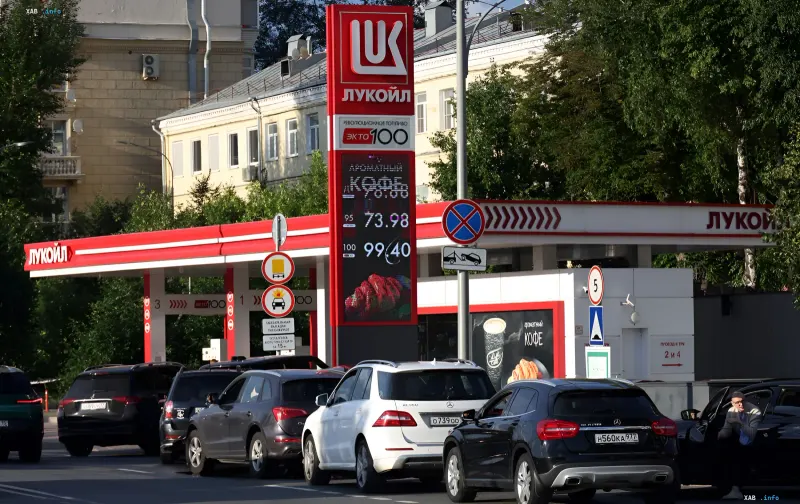
The authorities of occupied Crimea are forced to admit the scale of the fuel crisis sweeping the peninsula. Despite recent assurances from Vladimir Putin that the fuel shortage problem would be resolved soon, local officials report an inability to quickly restore supplies.
Disappointment in Moscow's Promises
Previously, the Russian leader stated that the fuel situation in Crimea was under control and not critical. He promised to increase supplies both by land and by sea. However, the head of the occupation administration, Sergey Aksyonov, effectively refuted these words. In his Telegram channel, he admitted that large volumes of fuel will not appear on the peninsula in the near future.
According to figures cited by Putin, Crimea's monthly fuel requirement is 70,000 tons. Meanwhile, existing reserves are sufficient for only a few days of operation. Reality confirms these figures: gas stations are operating under strict regulation, and queues for fuel have become the norm of life.
Energy Outages and Transport Collapse
Problems in Crimea are not limited to a lack of gasoline. Aksyonov admitted that he is receiving mass complaints from residents regarding the unfair distribution of electricity. To stabilize the situation, additional teams of municipal employees were created, who are supposed to try to normalize the situation within a few days.
The transport situation is of particular concern. Every day, the official receives notifications about routes where public transport is not running. This creates additional difficulties for the population, forced to get to work or stores without usual conveniences.
Socio-Economic Consequences
The fuel crisis has already begun to have a devastating impact on the peninsula's labor market. Residents are mass complaining about salary delays and forced layoffs. Entrepreneurs report that enterprises are standing still due to a lack of fuel and a shortage of working capital to pay workers and the tax service.
The situation is exacerbated by the fact that Russia itself is facing a serious fuel crisis. Fuel prices in the RF have reached record levels in the last 20 years, making it impossible to quickly solve problems in Crimea.


