
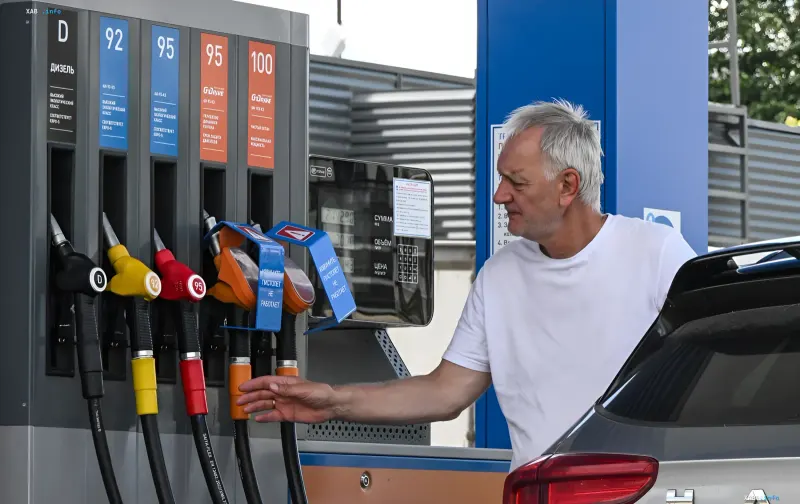
Russia is facing an unprecedented fuel crisis that has engulfed the country by the end of June 2026. The systematic destruction of oil refining infrastructure has led to a one-quarter reduction in gasoline production, while prices have reached a twenty-year high. The situation has shifted from a phase of local problems to a systemic collapse, affecting both major metropolises and donor regions.
Historical Minimum in Oil Refining
According to data from the Ukrainian Foreign Intelligence Service, published by RBK-Ukraine, oil refining volumes in the Russian Federation fell below 4 million barrels per day in the first week of June. This is the lowest figure in the last 21 years. The main reason is the physical impossibility of operating at full capacity due to infrastructure damage.
The fuel shortage has become so acute that Moscow, traditionally an exporter of energy resources, has taken an unprecedented step: Russia has officially requested the delivery of 50,000 tons of gasoline from Kazakhstan to cover the domestic deficit.
Transport Paralysis and Rising Prices
The crisis immediately affected the lives of the population. In the largest cities — Moscow, St. Petersburg, Kazan, and Yekaterinburg — taxis stopped operating in the usual mode. Services now accept orders primarily during rush hours to save fuel. Experts predict that the cost of rides will increase by 15–25%.
The situation is even more acute in the regions. In Irkutsk and the Vladimir region, carriers are demanding a revision of tariffs due to the inability to operate at a loss. Public transport in many subjects of the federation is operating with interruptions or canceling routes.
Limits at Gas Stations and "Readiness Mode"
The authorities are forced to introduce strict rationing. Restrictions on gasoline sales have been introduced in 75% of the country's regions, although the crisis has officially been recognized in only 29 out of 69 subjects. The following limits have been introduced:
- Samara region: no more than 40 liters per car.
- Saratov and Nizhny Novgorod regions: a limit of 30 liters.
- Zabaykalsky Krai: "enhanced readiness mode" introduced, sales limited to 15 liters per tank.
The most paradoxical moment of the crisis is that restrictions have reached the extraction sites. In the Khanty-Mansi Autonomous Okrug, where about 40% of all Russian oil is produced, restrictions on fuel sales have also been introduced. The sale of fuel in jerry cans has been blocked almost everywhere.
Threat to Food Security
The fuel collapse puts the harvest campaign at risk. Farmers in the Irkutsk region and the Altai Krai, which provides 30% of Siberia's production, report that fuel prices have increased 2.5 times over the year. Due to the lack of fuel, work in the fields is stopping, creating a threat to the entire Russian food market.
Panic and Censorship
Against the backdrop of a real deficit, panic is growing in the country. In the last month, the number of search queries for "where to buy gasoline" has increased 26 times. At the same time, the authorities are attempting to hide the scale of the problem: chats in messengers where citizens discuss the real situation at gas stations are being blocked.


