
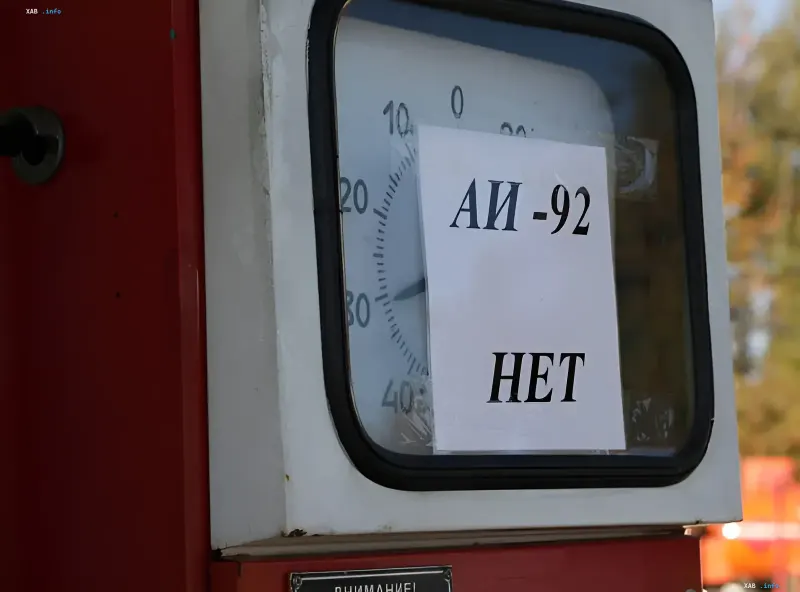
A large-scale energy logistics crisis is unfolding in Eastern Siberia. The Irkutsk region and the Transbaikal Territory are facing a critical shortage of automotive fuel. The situation has moved from a phase of market fluctuations to administrative regulation: authorities have introduced a heightened readiness mode, and gas stations have switched to a ration coupon system.
Causes of the shortage: from European refineries to Siberian gas stations
According to industry experts and international analytical agencies, including Reuters, the root of the problem lies in the European part of Russia. Unplanned repair and restoration work at major oil refineries has led to a sharp drop in primary processing capacity. By mid-June 2026, gasoline production volumes decreased by 25% compared to the same period last year.
This imbalance required intervention by the Ministry of Energy of the Russian Federation, which took over the manual distribution of commodity flows. As a result, remote regions such as Irkutsk and Transbaikal experienced an acute shortage of fuel and lubricants, forcing local authorities and businesses to adopt strict restrictive measures.
Heightened readiness mode and gasoline ration coupons
On June 28, 2026, the Governor of the Irkutsk Region, Igor Kozhev, officially announced the introduction of a heightened readiness mode. According to Federal Law No. 68-FZ, this status allows regional authorities to introduce mandatory rules of conduct and restrict the circulation of essential goods to prevent technological emergencies.
Restrictions in the retail sector have become total. At Rosneft gas stations in the Irkutsk region, a daily limit has been set—no more than 50 liters per vehicle. Refueling into cans is strictly prohibited. Authorities have empowered independent operators to independently reduce dispensing norms when tank reserves decrease.
In the Transbaikal Territory, the situation has worsened with a switch to a closed trading mode:
- Naftmarket chain (Chita): Sales of AI-92 and AI-95 gasoline are possible exclusively with paper coupons. Operators report disruptions in railway supplies.
- BRK chain: Sales of AI-100 and AI-92 to individuals have ceased. From July 1, 2026, a complete ban on the free sale of AI-95 is introduced. The reason is the failure of refineries to fulfill delivery obligations.
Baikal comes to a halt: reduced navigation and rising prices
The fuel crisis has struck water transport, which serves as the circulatory system for many isolated territories in the region. PJSC "East Siberian River Fleet" (ESRF), which serves 17 routes and transports about 600,000 passengers annually, announced a forced reduction in trips.
Company management decided to prioritize the distribution of fuel reserves. Energy resources are being directed to socially significant routes and critically important ferry crossings. Stable communication is planned to be maintained only on key routes:
- Olkhon Island;
- Port Baikal;
- Livtvyanka;
- Velikiye Koty;
- Baikal Dunes.
Passengers will also face a rise in ticket prices. ESRF management has announced a tariff indexation caused by a surge in prices for low-viscosity ship fuel (LVF) and diesel groups in the wholesale market.
Strengthening law and order against the backdrop of shortage
Fuel restrictions have inevitably led to increased social tension. To prevent conflicts in queues at gas stations and maintain public order, units of the Ministry of Internal Affairs and the National Guard have been deployed. Regional authorities emphasize that the introduction of a heightened readiness mode is aimed at minimizing the risks of technological accidents and ensuring public safety in the event of a logistical collapse.


