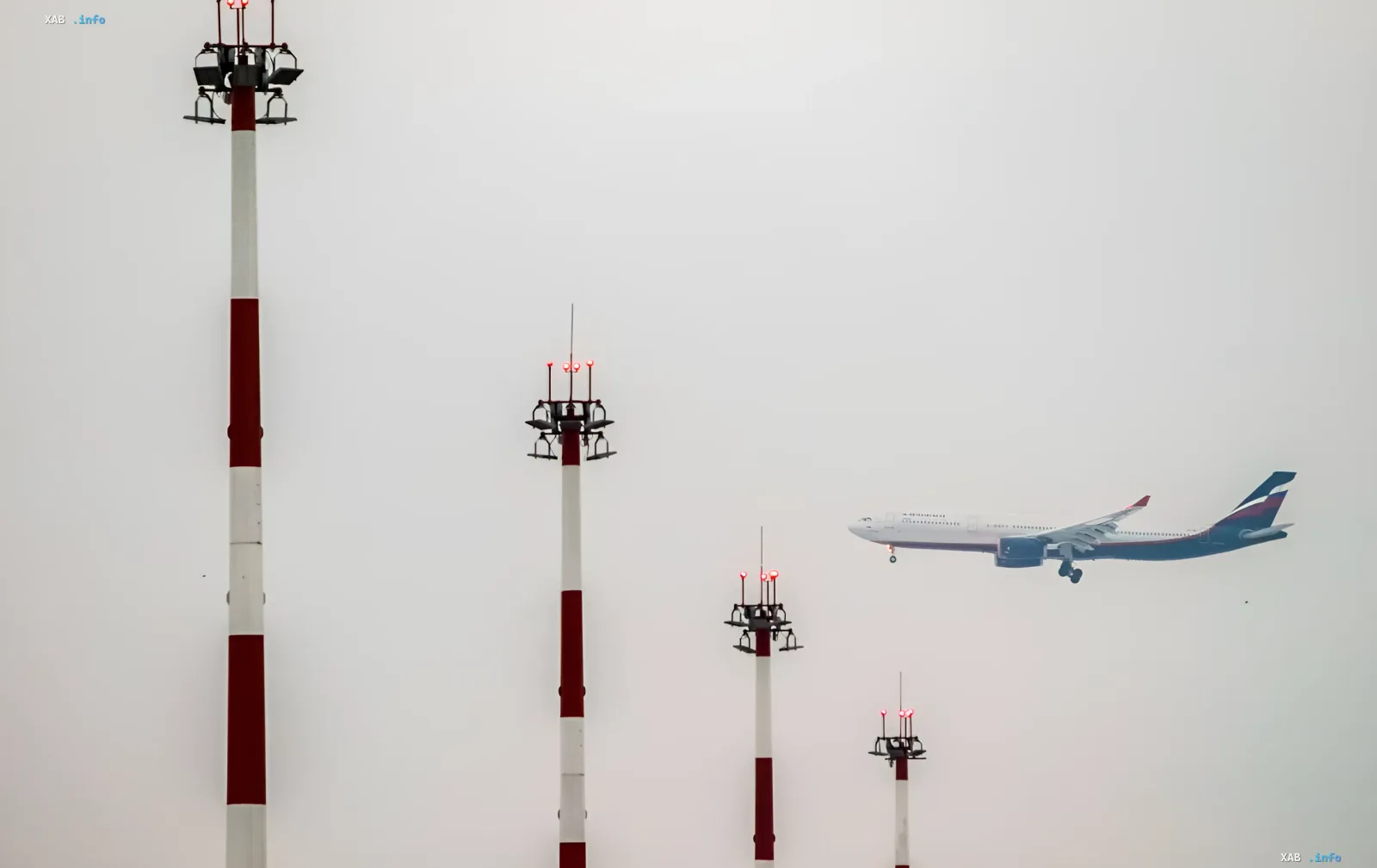
The Russian aviation industry is facing unprecedented difficulties. The fuel crisis, which began with disruptions at automotive gas stations, has rapidly spread to the skies. Major airports across the country are forced to introduce strict restrictions on refueling aircraft, threatening the continuity of flights.
Economy Mode: How Much Kerosene is Allowed for Flight
The situation in the aviation fuel market has reached a critical point. Airports in Makhachkala, Mineralnye Vody, Krasnodar, Astrakhan, and Nizhny Novgorod have officially notified pilots of the introduction of limits. Refueling is now carried out exclusively in the volume necessary to complete a specific flight, without a reserve for unforeseen circumstances.
At Makhachkala Airport, strict quotas have been introduced: for flights to Dubai, no more than 8 tons of fuel are allowed on board, while the limit for the route to Minsk is set at 3.5 tons. This means that airlines are forced to review routes and planning to avoid situations of fuel shortage in the air.
Exchange Collapse and Record Prices
Economic indicators of the market confirm the depth of the crisis. Exchange sales of aviation kerosene have effectively stopped. Since May 4, no deals have been concluded on the St. Petersburg Commodity and Raw Materials Exchange. According to sources, only three tanks of fuel were sold across the entire country on June 1.
In the wholesale market, prices have soared to record levels — 113,000 rubles per ton. This is 52% higher than the level at the beginning of March. As late as the end of May, airlines began receiving letters from suppliers stating the impossibility of refueling aircraft under concluded contracts in the airports of St. Petersburg, Yekaterinburg, Ufa, and other cities.
Cause of the Crisis: Strikes on Infrastructure
The root of the problem lies in a physical shortage of resources. The systemic cause is the pressure on the oil industry as a result of a series of strikes on oil refineries (ORs) and logistics chains. In May, 16 plants were hit, leading to a near-total halt of oil refining in central Russia.
Russia is forced to redirect raw materials from exports to the domestic market, however, these measures prove insufficient to cover demand. In response to the situation, after an urgent meeting at the Ministry of Energy, the government banned the export of aviation kerosene from June 1 to November 30. The goal is to stabilize the domestic market, but the shortage is already being felt on the ground.
Spread of Deficit Across the Country
The problem is not limited to aviation alone. A few days ago, fuel sales at gas stations were temporarily suspended in the Krasnodar Krai due to increased demand and supply disruptions. The fuel crisis, which began in the south, has already spread to Siberia. Limits on gasoline have been introduced in regions located 5,000 kilometers from Ukraine, indicating a large-scale systemic failure in the country's energy supply.


