
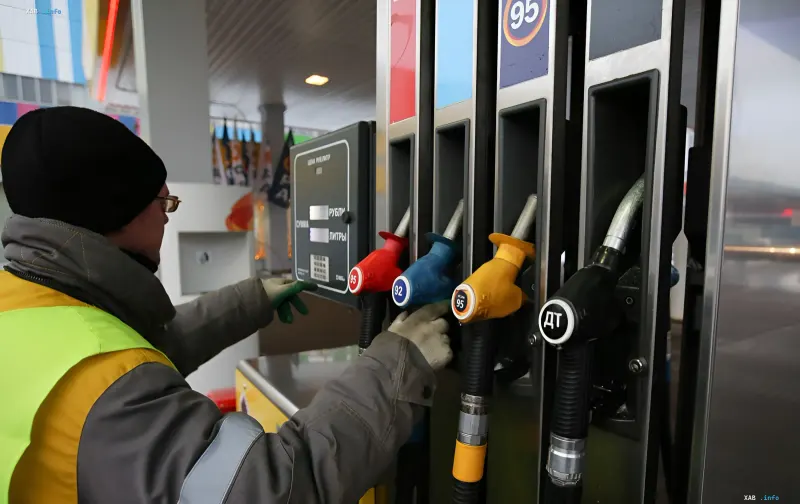
A serious situation regarding fuel supply for the population is unfolding in Kyrgyzstan. The country has recorded a shortage of high-octane gasoline, forcing the government to begin emergency negotiations with six nations. The authorities' goal is to guarantee stable supplies of fuel and lubricants (F&L) and prevent a collapse of the domestic market.
Search for Alternative Partners
According to the regional edition of "Azattyk Asia," the Ministry of the Energy Sector of Kyrgyzstan is conducting active diplomatic consultations. The list of partner countries with whom supplies are being discussed includes Russia, Belarus, Azerbaijan, Kazakhstan, Uzbekistan, and Turkmenistan.
The republic has historically depended on the external market, importing from 90% to 95% of its total fuel volume from Russia. However, an acute shortage of popular grades AI-95 and AI-98 is already being observed at local gas stations. The government has confirmed that it is studying alternative logistical routes in detail to reduce critical dependence on a single supplier.
Roots of the Problem: Collapse of Russian Oil Refining
The situation in Kyrgyzstan is exacerbated by massive problems within the Russian Federation itself. Regular attacks by Ukrainian drones on Russian oil refineries (ORs) have dealt a blow to production capacity. Systematic destruction of infrastructure has led to a 25% reduction in gasoline production in Russia.
According to the Foreign Intelligence Service of Ukraine, oil refining volumes in the RF dropped to the lowest levels in the last 21 years during the first week of June. This triggered a chain reaction: mass disruptions in the operation of public transport and utility services in many regions, as well as panic at gas stations.
Panic and Record Price Hikes
Against the backdrop of the shortage in Russia, drivers began mass buying fuel in jerry cans, which only exacerbated the situation. The aggressor country has recorded the highest weekly growth in gasoline prices in the last 20 years. Supply disruptions or the introduction of strict limits and fuel rationing have already covered 75% of Russian regions.
The critical situation in the domestic market has forced the Kremlin to take unprecedented steps for one of the world's largest fuel-exporting countries. Moscow, which usually supplies resources, has itself begun negotiations with Kazakhstan to import fuel from the neighboring country.


