Energy strike: how drone attacks are changing fuel logistics in Russia
Russia has officially acknowledged "temporary difficulties" with fuel supplies in southern regions. The cause of the crisis is the increasing frequency of air attacks by Ukrainian drones on objects of the fuel and energy complex (FEC). To stabilize the situation, a special industry headquarters has been formed within the Ministry of Energy of the Russian Federation, which will operate on a permanent basis.
According to the ministry, FEC enterprises are facing an unprecedented growth in aerial threats. This is forcing Moscow to mobilize resources to ensure the uninterrupted operation of infrastructure. The new headquarters includes representatives of all the largest companies in the industry. Their main task is to guarantee the stability of supplies and the efficiency of the country's entire power system under conditions of continuing war.
Scale of losses: the record of May 2026
The situation in the field of energy security has worsened following the events of May 2026, when Ukraine launched strikes that became record-breaking in their consequences. As a result of the attacks, Russian oil refineries lost approximately a quarter of their capacity. This is a critical indicator, considering that the affected facilities provided more than 30% of gasoline production and about 25% of diesel fuel output in the Russian Federation.
Strategically important enterprises in Moscow, Yaroslavl, Nizhny Novgorod, Ryazan, and Kirishi fell within the zone of damage. The destruction or damage of these nodes created a systemic break in the logistics chain, which is now being attempted to be compensated by administrative measures and the redistribution of flows.
New reality: range and geography of strikes
The capabilities of Ukrainian aviation and drone groups have undergone significant evolution. According to Bloomberg data, modern drones can reach a quarter of Russia's territory. More than 70% of the country's population lives in this zone. The range of strikes has reached 1,600 kilometers, which has effectively erased the concept of "rear security" for many industrial centers.
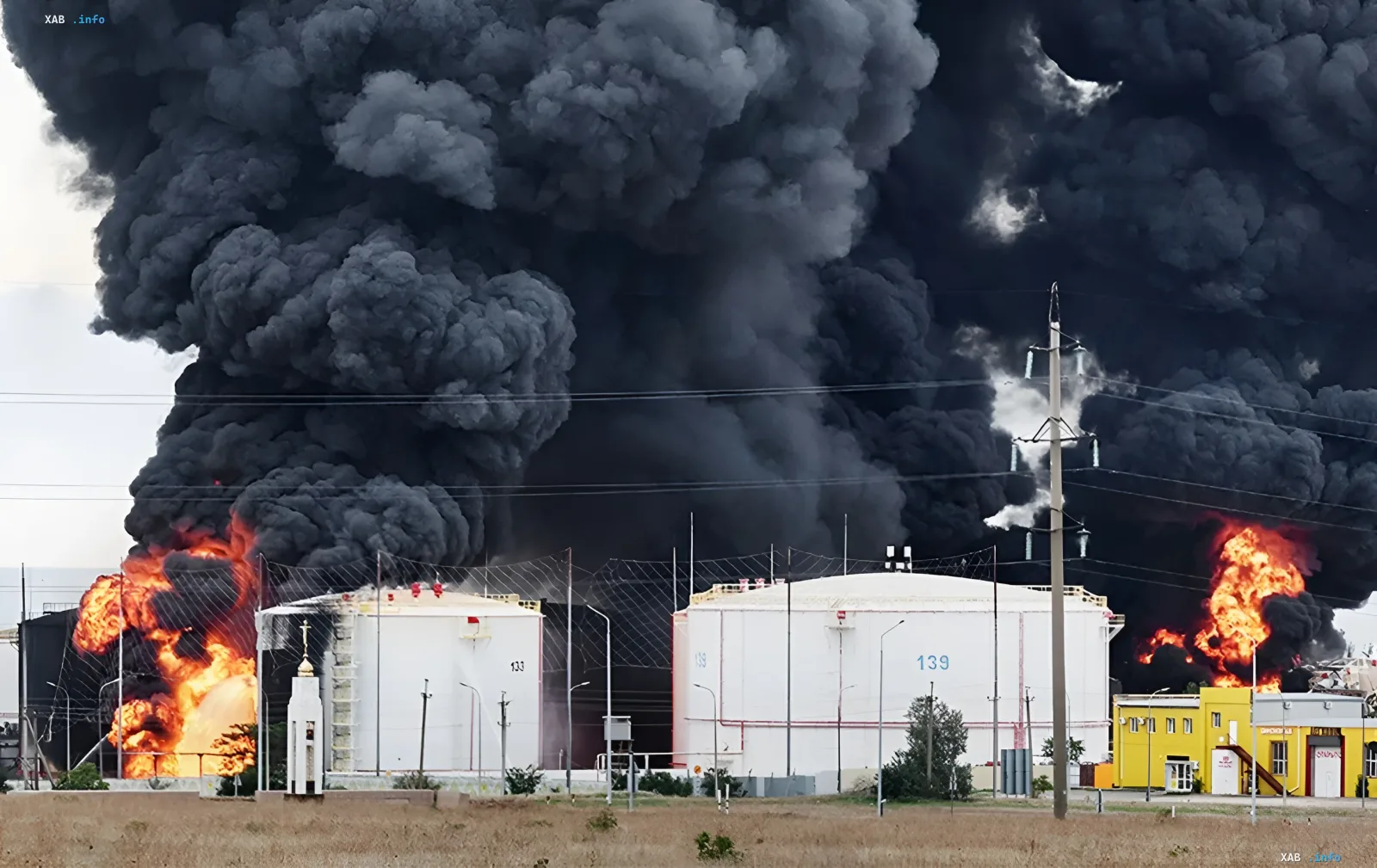
Special attention is paid to occupied Crimea. Due to regular strikes on fuel depots on the peninsula, strict restrictions on the sale of fuel and a rationing system were introduced. The situation worsened on June 7, when the Ukrainian Defense Forces struck two of the region's largest oil depots, as well as an FSB facility. These actions demonstrate Kyiv's ability to deliver pinpoint strikes on logistics hubs critical for supplying occupation structures.
The creation of an industry headquarters in the Ministry of Energy is an attempt at centralized management of chaos. However, given the scale of capacity losses and the geographical spread of targets, the question of how effectively the fuel shortage problem in the south will be solved remains open.


