
A massive fuel crisis is unfolding in Russia, triggered by a series of Ukrainian drone strikes on key oil refineries. The situation in the lubricants and fuels market has reached a critical point, forcing federal authorities to impose unprecedented restrictions on fuel sales in dozens of regions across the country, including occupied territories in Ukraine.
The Gap Between Production and Consumption
The fundamental problem lies in the sharp decline in oil refining volumes. According to international sources, following the May and June attacks on infrastructure, daily gasoline output in Russia has dropped to 85,000 tons. Meanwhile, the natural level of domestic consumption during the summer period stands at no less than 110,000 tons per day. This daily deficit of 25,000 tons places a colossal strain on logistics and reserves, which are being rapidly depleted.
Regional Restrictions and Supply Priorities
The consequences of the crisis have affected at least 83 regions. In 32 Russian subjects, as well as on annexed territories, official limits on retail sales have been introduced. Buyers have encountered strict rules: refueling for passenger cars is limited to 20–40 liters of gasoline, while heavy transport on highways is capped at 200 liters of diesel fuel. In some areas, the sale of fuel in jerry cans has been completely banned.
Amid acute resource shortages, a special distribution regime has been introduced in several subjects. Priority for receiving fuel has been given to government services, the Ministry of Emergency Situations (MChS), medical institutions, and agricultural enterprises that need to ensure the harvest campaign proceeds. Ordinary consumers have been left at the back of the queue.
Emergency Government Measures
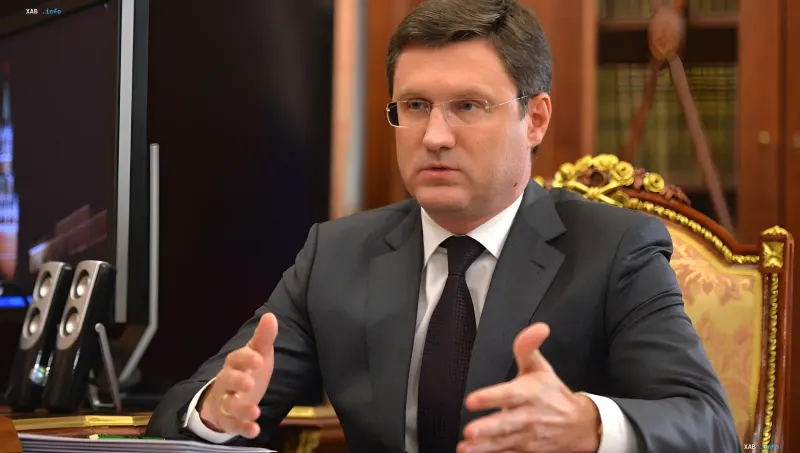
Deputy Prime Minister Alexander Novak acknowledged the complexity of the situation, noting that the government had to deploy mechanisms previously unused. To stabilize the market, the following decisions were made:
- Complete suspension of scheduled maintenance at surviving refineries to maximize capacity utilization.
- Introduction of a total ban on the export of gasoline and aviation kerosene. Currently, a similar ban for diesel fuel is being considered.
- Emergency fuel purchases from partners, particularly Belarus, although these volumes are insufficient to cover the domestic deficit. The government is preparing new contracts for imports from other countries.
Version of the Causes of the Crisis
The Kremlin's official position attempts to shift the focus. Authorities claim that part of the problem is caused by an "artificial" surge in demand from the population, which, according to their estimates, has grown by 20–30%. However, the real figures of production decline and the emergency measures adopted indicate that the main cause is the physical shortage of refining volumes caused by systematic attacks on the energy sector. According to analysts, Russia is facing the worst fuel crisis in its modern history.


