

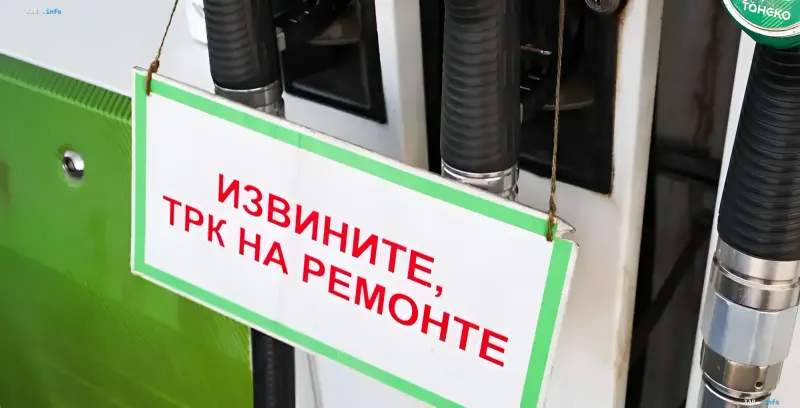
Russia is facing a serious imbalance in its domestic petroleum products market. Speaking at a specialized meeting, Russian President Vladimir Putin officially confirmed that the country's largest oil refineries (ORs) are operating at the limit of their technological capabilities. In response to the growing shortage, the Russian Government has taken unprecedented measures: a temporary ban on the export of gasoline and aviation kerosene has been introduced. Currently, a similar restriction for diesel fuel is under consideration.
Production Constraints and Depletion of Reserves
The situation in the fuel market requires emergency intervention. According to the head of state, to minimize downtime, the terms of current technical repairs at enterprises have been shortened, and scheduled maintenance work has been postponed to a later date. The capacities of medium and small refining enterprises have also been brought into the production process.
However, even these measures do not allow for the full satisfaction of demand. According to industry estimates, current automotive gasoline production covers only about 80% of the total domestic demand. Official data confirms the depletion of reserves: the volume of gasoline reserves stands at 1.7 million tons, which is 4% lower than the figures for the same period last year. Experts predict that the production volumes of major fuel types may exceed June figures only in July 2026.
Reality in the Retail Market
The country's leadership has publicly acknowledged the existence of logistical and supply difficulties faced by consumers. Vladimir Putin noted that problems persist for both motorists and businesses. In particular, queues at gas stations and a local lack of necessary fuel grades are being recorded in several regions.
According to eyewitness reports and specialized media, temporary restrictions on the dispensing of petroleum products are in effect at gas stations in some Russian regions. The Ministry of Energy of Russia and the relevant government task force are declaring a transition to systemic regulatory measures, including the forced saturation of the domestic market and strict control over pricing, especially in the context of the needs of the agro-industrial complex during the harvest campaign.
Causes and Legal Regulation
Analysts cite technological damage to the infrastructure of Russian oil refineries as a key factor influencing the decline in production. In response to these challenges, the state is using mechanisms to ensure energy security. The temporary ban on the export of certain types of petroleum products is regulated by relevant decrees of the Government of the Russian Federation and is aimed at stabilizing domestic prices. Decisions on the full restriction of diesel fuel exports are currently at the stage of interdepartmental coordination.


