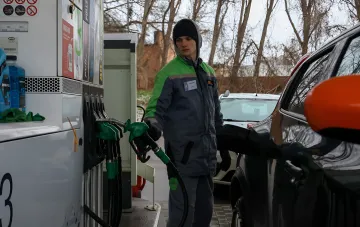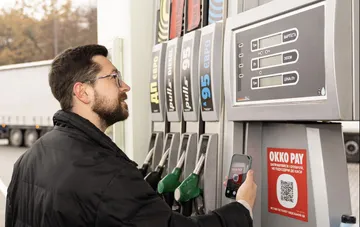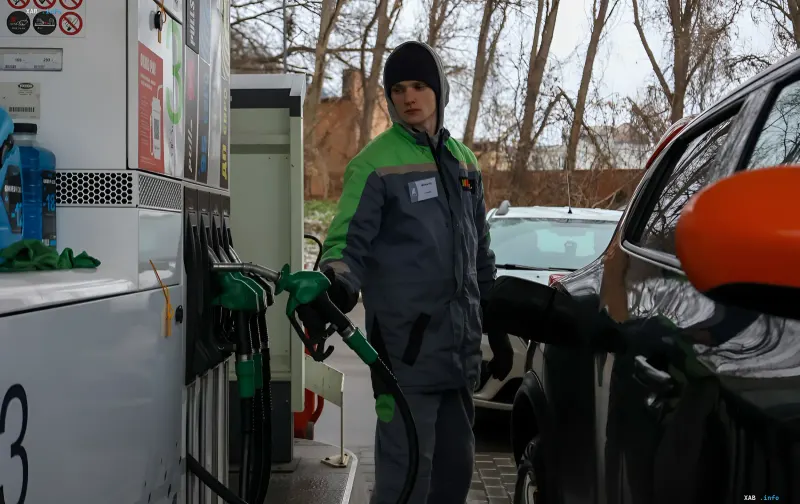
On Saturday, October 31, the Ukrainian fuel market recorded another update in retail prices. The changes primarily affected liquefied petroleum gas (auto gas) as well as premium diesel at one of the networks. Meanwhile, gasoline of all major grades—A-92, A-95, and premium 100—remained at previous levels across all major networks. According to RBC-Ukraine monitoring data, the dynamic is selective: not all operators and not all fuel types changed their price tags simultaneously.
Auto Gas: Price Convergence in Major Networks
The most noticeable adjustments occurred in the liquefied gas segment. The SOCAR network raised the price of auto gas by 40 kopecks to 59.90 UAH/l, thereby matching the current price tags of OKKO and WOG. At the same time, the Ukrnafta and UPG networks increased the price of liquefied gas by 1.00 UAH/l: to 56.90 UAH/l and 57.90 UAH/l, respectively. Thus, a price spread between operators persists in the auto gas segment, but it is gradually narrowing as price tags converge.
Diesel: Growth Only in the UPG Premium Grade
In the diesel segment, changes proved to be selective. The UPG network increased the price of upgDIESEL premium diesel by 1.00 UAH/l to 105.90 UAH/l, while the standard EURO DIESEL grade at the same network remained at 102.90 UAH/l. For other operators, diesel price tags, according to monitoring data, are held at previous levels without adjustments.
Gasoline: Stability Across All Networks
The cost of A-92, A-95, and premium 100-octane gasoline on October 31 did not change compared to the previous day across all major networks. This means that pressure on retail prices in the gasoline segment is not yet manifesting, and consumers can count on maintaining previous price tags in the coming days.
Context: Why Prices Update Selectively
It is telling that price updates in Ukraine's fuel market in recent months have been step-by-step and selective: individual networks generally resort to increases first, while other operators follow with a delay or hold price tags altogether. Analysts have previously pointed out that retail prices are influenced by logistical delays and a reduction in fuel storage volumes amid attacks on fuel infrastructure. It is precisely these factors that create background pressure on prime cost, which is periodically transmitted to retail through selective adjustments, as happened on October 31 with auto gas and premium diesel.