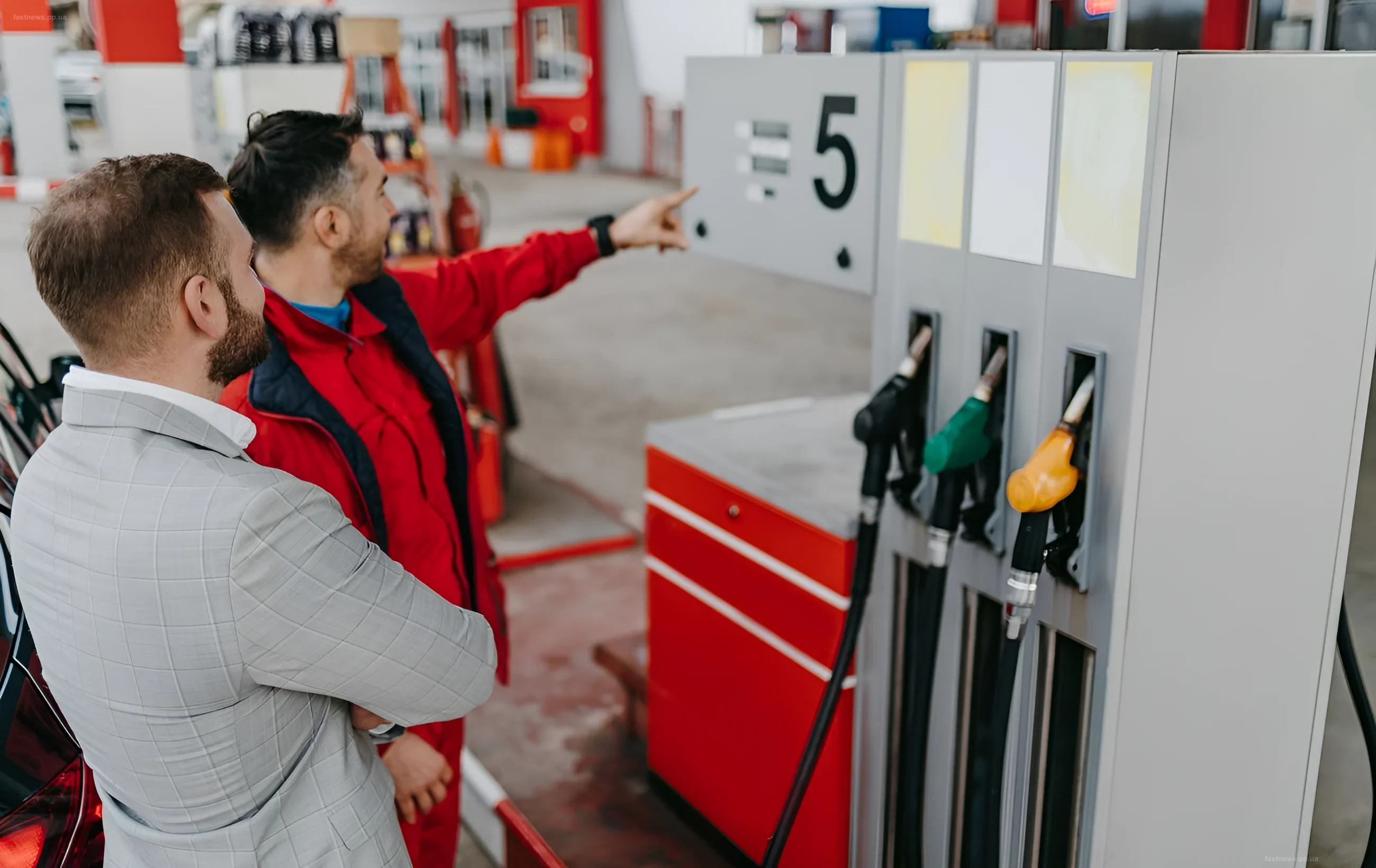
The Ukrainian fuel market is experiencing an era of great change. With the disappearance of the largest player—the Privat Group—a power vacuum immediately began to be filled by new forces. The state and private entrepreneurs are actively reshuffling assets, changing familiar logos on pillars and transforming the very essence of gas stations.
The State Aims for a Monopoly
The leader of the new race is Ukrnafta. Following the nationalization of assets and the loss of control by Ihor Kolomoyskyi, the company came under full state control. The strategy is simple and effective: large-scale acquisition. In 2024–2026, the Glusco and Shell networks came under the wing of Ukrnafta, and a merger with U.Go from Ukrenergo began. As a result, the company's portfolio approached 700 stations.
For comparison: before the start of the full-scale invasion, the Privat Group owned about 1,500 gas stations. Losing its own raw materials and the Kremenchuk Refinery, Kolomoyskyi's empire collapsed. The ANP and Avias networks ceased operations in early 2025, leaving many fuel voucher holders with empty pockets. Experts cite the collapse of logistics and the inability to quickly restructure imports as the main reasons for the collapse.
The Rise of UPG and the Survival of Giants
Who became the main beneficiary of someone else's misfortune? Undoubtedly, Vladimir Petrenko's UPG company. In less than a year, the network grew sixfold, absorbing more than 570 former Privat gas stations. Currently, UPG has more than 650 stations in 21 regions, actively conducting rebranding and implementing new service standards.
Nevertheless, the old players are not giving up. Vitaliy Antonov's OKKO network maintains its position in the premium segment, diversifying its business from agro-holdings to ski resorts. WOG, having survived the death of a co-founder and corporate wars, changed owners but remained at the top. Also, BRSM-Nafta, AMIC, and Parallel feel confident in the market.
Borscht Instead of Gasoline: The New Economy of Gas Stations
A modern gas station is no longer just a column with gasoline. The price gap between premium networks and discounters in Ukraine is huge. While Ukrnafta became a price benchmark, selling fuel with a minimal markup, discounters like BRSM-Nafta and Marchal keep prices low, sometimes at the expense of dubious tax optimization or fuel quality.
Since the profit from selling a liter of gasoline is only 3–5 hryvnias, businesses are looking for new sources of income. Now gas stations compete with kitchens. UPG launches its own burger joints, WOG develops coffee culture, and at some stations you can taste borscht from Klopotenko or buy pomegranate wine. In conditions of complete dependence on imports and world oil prices, it is service and food that become the very "anchor" that keeps the customer.


