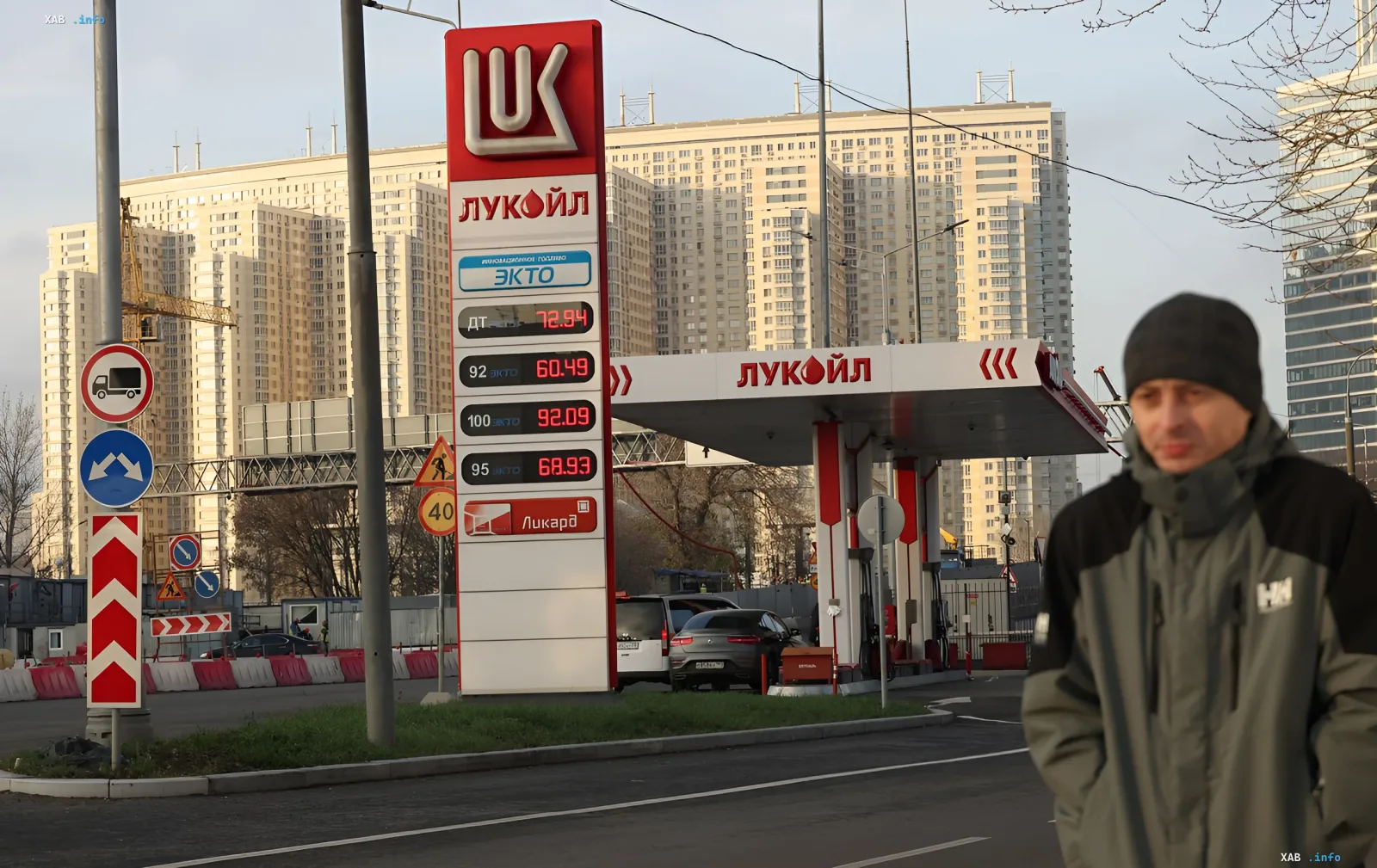
In several regions of Russia, including Moscow, St. Petersburg, and Tatarstan, major gas station networks have introduced strict restrictions on the sale of gasoline and diesel fuel. These restrictions cover the main types of fuel and are imposed per customer.
According to journalists, the company Tatneft has resorted to these restrictions. At its gas stations in Moscow and St. Petersburg, limits are in effect: up to 20 liters for AI-92 and AI-95 gasoline, and up to 40 liters for diesel fuel. As sources note, the company has limited fuel sales in all regions where it operates.
Government reaction and the situation in the regions
Temporary limits were also introduced at some gas stations in Tatarstan. Local authorities are commenting on the situation, stating that measures were taken "to avoid artificial panic and ensure a stable situation".
At the same time, the relevant committee in St. Petersburg states that there are currently no prerequisites for a shortage of fuel resources in the city, despite restrictions at individual gas stations.
Connection to strikes on infrastructure
The introduction of restrictions at gas stations coincided with a series of successful strikes on Russian oil infrastructure. On the eve of this, Ukrainian drones attacked the large TANEKO oil refinery in Tatarstan, owned by Tatneft, as well as the TAIK-NC enterprise in Nizhnekamsk.
Fuel problems in the Russian Federation and in occupied territories have sharply worsened following a series of targeted strikes by the Ukrainian Defense Forces on the enemy's fuel infrastructure and logistics. On the night of June 7, Ukrainian military forces struck two of the largest oil depots in Crimea: the oil transshipment complex in Feodosia and the "Semikolodezyanskaya" base, which supplied fuel to the grouping of Russian troops.
Due to the destruction of fuel depots and railway hubs, the occupiers' logistical system has collapsed. As a result, Russian authorities officially acknowledged that trucks with fuel could not reach Crimea due to Ukraine's fire control. This forced the occupation authorities of the peninsula to completely stop the distribution of gasoline, even under previously introduced ration coupons.
Economic consequences
Experts note that due to regular drone raids, Russia's oil refining industry has already fallen to the level of the 2009 economic crisis. Russian refineries, after attacks, are forced to stop for long repairs due to a lack of imported parts. As a result, the fuel shortage began to spread rapidly from the frontline regions directly into the largest cities of the aggressor country.


