
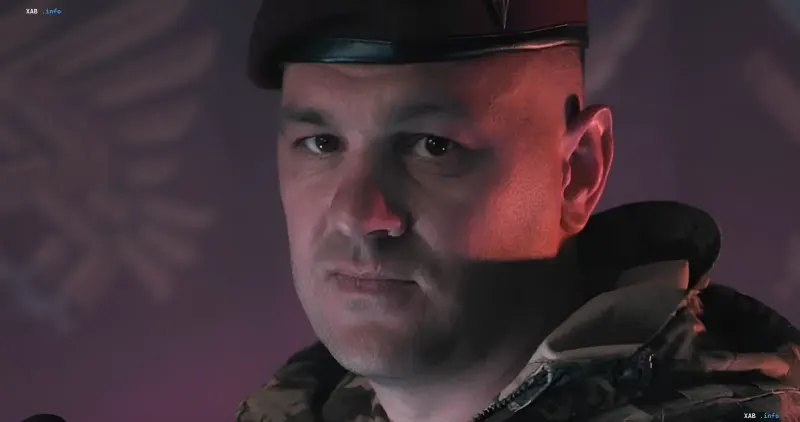
On July 10, 2026, Ukraine's defense system underwent massive structural changes. President Volodymyr Zelenskyy signed Decrees No. 592/2026 and No. 593/2026, which introduce two fundamentally new components of the Armed Forces of Ukraine (AFU). These measures mark a transition from the current management model to a more centralized and technology-saturated architecture capable of responding to threats and striking remote targets.
Joint Rapid Response Forces: a new assault fist
Decree No. 592/2026 regulates the creation of the Joint Rapid Response Forces. At the initial stage, this structure is formed within the organizational and staffing composition of the Ground Forces, however, the strategic plan provides for its separation into an independent branch of the armed forces. The Cabinet of Ministers, together with the General Staff, is tasked with developing appropriate proposals for approval at the highest level.
The concept of the new formation is based on the integration of high-tech elements designed to ensure maximum mobility and firepower. The structure will include:
- Mobile assault units with an increased level of autonomy;
- Bodies of artillery support for tactical and operational-tactical links;
- Staffed units of unmanned systems providing permanent monitoring and strikes in real-time.
The leadership of the Joint Rapid Response Forces is entrusted to Brigadier General Dmytro Voloshyn, a Hero of Ukraine. The officer has significant combat experience: previously he commanded the 82nd Separate Airmobile Assault Brigade, and since April 2025 he has headed the 8th Airmobile Assault Corps. The highest state award — the Order of the "Golden Star" — Voloshyn received in the autumn of 2024.
Long-Range Strike Command: centralization of resources
The second key element of the reform was the establishment of the Long-Range (Global) Strike Command in accordance with Decree No. 593/2026. The new management vertical was created to concentrate material, technical, intelligence, and operational resources. The main task of the structure is to coordinate actions to strike remote objects of the enemy's military-industrial potential and strategic infrastructure.
The creation of this body is aimed at optimizing resource allocation and increasing the effectiveness of strikes on logistics hubs. The Minister of Defense and the Commander-in-Chief of the AFU are tasked with coordinating and submitting the candidate for the commander of the new direction for approval in the shortest possible time.
Context of reforms and administrative changes
The creation of new structures is synchronized with statements by the country's leadership about a massive reorganization of the principles of managing assault units. According to official statements, the reform is designed to optimize management, improve internal logistics, and change approaches to personnel support.
At the level of relevant departments and law enforcement agencies, procedural and audit measures accompanying these changes have already been launched. The President of Ukraine, acting within the framework of Article 106 of the Constitution as the Supreme Commander-in-Chief, directly manages the processes of reorganization and optimization of the structure of branches of the armed forces, which underscores the strategic importance of these transformations for national security.


