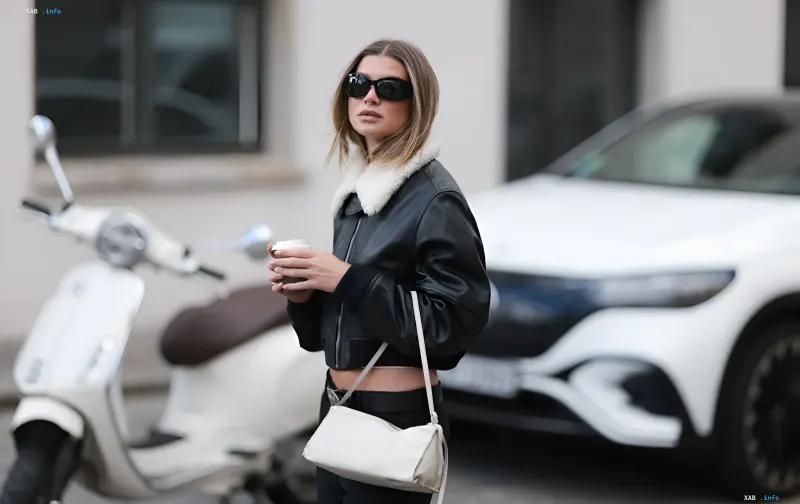
Fashion has long stopped moving in a straight line: it works in a spiral, and pieces that were considered outdated two decades ago are once again at the center of attention for stylists, designers, and fashion influencers. Against the backdrop of a global trend toward nostalgia and the aesthetics of the 90s and early 2000s, industry professionals are drawing inspiration from iconic looks, TV shows, and music videos of that era, bringing items worn roughly 20 years ago back into the modern wardrobe. Street style clearly demonstrates this: a leather jacket with a voluminous fur collar, an expressive silhouette, and a compact thin-strap bag combined in one look are already setting the tone for the season.
Fur and Textured Accents Instead of Smooth Surfaces
The first noticeable comeback is faux fur, which was at the peak of popularity in the 1990s and is now making a strong return to collections. Designers decorate coats, shearling coats, and jackets with it, and also offer fur stoles and scarves thrown over dresses or sweaters. Such an accessory makes the look more vintage and textured, adding volume where smooth, minimalist surfaces used to dominate. Essentially, fur is transforming from a seasonal detail into an independent stylistic statement.
Peplums and an Expressive Waistline
The second trend is the peplum, which was especially popular in the 2000s and 2010s and, after about 15 years, is returning to fashion once again. An expressive waistline and a voluminous bottom hem give the look texture and romance, forming a clear silhouette without the need for extra accessories. This is a logical continuation of the season's general demand for expressiveness: while in previous decades the peplum was often considered overly "office-like" or "girlish," today it is perceived as a tool for shaping proportions.
Animal Print Reimagined: From Leopard to Zebra
The super-trend of autumn is animal print, which, according to stylists, can now be found everywhere: in clothing, footwear, accessories, and even manicures. At the same time, the hierarchy within the trend has shifted: while leopard used to be the undisputed leader, zebra is now in first place. Simultaneously, Bambi, cow, python, and crocodile prints are entering fashion. Animal print is ceasing to be a "daring" detail and is becoming a neutral background pattern that easily integrates into a daily wardrobe.
Broad Shoulders and Low-Rise Jeans
A consequence of the obsession with 2000s aesthetics is the return of the expressive silhouette with broad, massive shoulders: suits, blazers, and jackets with an enhanced shoulder line are in fashion, paired with skirts, trousers, and even jeans. Paired with this are ultra-low-rise flared jeans, which in the noughties were often supplemented with distressed details, embroidery, or rhinestones. Today, the same rise is returning, but in a looser, more relaxed cut, making the trend more wearable for everyday looks.
Iconic Bag Shapes and Military Jackets
Concluding the picture are two details that stylists call "era identifiers." First, iconic bag shapes from the 1990s and 2000s: vintage models with short handles, textured leather, and characteristic details are considered especially trendy, while clutches are returning not just for evening outings, but for everyday wear. Second, military-style jackets and blazers with epaulets, stand-up collars, decorative cords, and metal buttons — heavy-duty pieces that add character to the look and work equally well with both jeans and skirts.
Together, these seven directions describe the same logic: the industry is not inventing something new, but rethinking the past by adding looser silhouettes and a calm palette to iconic forms. For the reader, this translates to a simple practical recommendation — do not throw away items "from the past": after a few years they become relevant again, and the ability to wear them with confidence and pleasure distinguishes a conscious trend from accidental imitation.