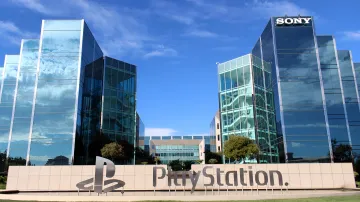
The DoesItPlay community, which focuses on video game preservation and protecting access to digital heritage, has launched a one-week boycott of the PlayStation ecosystem. In a statement published on the Bluesky platform, the authors, posting under the hashtag #PSBlackout, are calling on gamers to refrain from turning on their consoles, logging into PlayStation Network, or making purchases on any Sony services between August 23 and 30, 2026. The wording of the call is extremely specific: “No system logins, no gaming sessions, no purchases on any Sony platforms.” The action was preceded by a broader context — the industry's, and above all Sony's, gradual move away from physical media in favor of fully digital releases.
The Call for “PSBlackout” and Its Logic
The boycott is built on a simple principle of collective pressure: if a significant portion of the active audience disappears for a week, Sony will feel the loss of engagement and, as the organizers intend, will be forced to reconsider its policy on physical discs. DoesItPlay positions the action as a peaceful, nonviolent protest that requires no technical effort from participants — all they have to do is simply not log into the system. The #PSBlackout hashtag is meant to unite the scattered voices of players into a single visible signal that can be tracked through social media activity and, potentially, through network connection statistics.
Doubts About Effectiveness: an “Ordinary” Week and Gamescom
However, experts who have assessed the initiative agree that the action is unlikely to have any substantial impact on Sony's position. The key argument is the choice of timing: the last week of August is an “ordinary” one, meaning no major events, presentations, or high-profile releases tied to PlayStation are scheduled during that period. A drop in activity during such a period is easily offset and does not hit the key metrics. In addition, that same week coincides with the Gamescom convention, where the industry's most dedicated fans traditionally gather — meaning a significant share of the most active players will already be “away” from their home consoles. According to specialists, the combination of these factors dilutes the boycott's effect.
More Radical Demands in the Comments
In the discussions under the DoesItPlay post, some gamers consider the one-week format insufficient and propose harsher measures: mass cancellation of PSN subscriptions for three months, or even a collective refund of pre-ordered digital services. The authors of such comments are convinced that the proposed action makes little sense, since Sony will simply wait out those days and not react to the community's response. Meanwhile, dissatisfaction with the shift to digital releases is also expressed in more radical forms: for instance, a hacker going by the nickname Cyberleek published gameplay videos and a full map of the Leonidas location a week before the extended GTA VI teaser was supposed to drop on Netflix. Take-Two only began tracing the leak channel after it became clear that the hacker apparently had a fully working version of the game.
Context: From Discs to Digital Releases and the Illusion of Ownership
The backdrop for the entire dispute is a long-term trend: the gaming industry is steadily moving away from physical media toward fully digital releases, a shift reinforced by the growing popularity of the Steam and Epic Games stores. At the same time, as critics point out, “buying” a game on most such services does not mean owning it — a fact Steam had to clarify additionally on its checkout page back in 2024. The only major distributor that, as of now, grants users full ownership of the product they purchase remains GOG. It is precisely this distinction between “access” and “ownership” that lies at the heart of DoesItPlay's demands and those of the protesting players.
Contradictory Data
It is important here to note a discrepancy in wording between sources. In its original statement, DoesItPlay clearly limits the action to one week — from August 23 to 30, 2026, making it a one-off, temporary event. At the same time, a number of specialized outlets describe the same protest as potentially open-ended: according to their reports, some activists intend to continue the boycott until Sony “admits its mistake” in abandoning discs. Thus, the same initiative appears in different publications either as a one-week episode or as a prolonged campaign. The difference in scale and duration directly affects the assessment of its real pressure on Sony: the one-week format, as already noted, is considered ineffective by experts, whereas an open-ended scenario theoretically strengthens the community's negotiating position but also raises the risk of its rapid burnout.