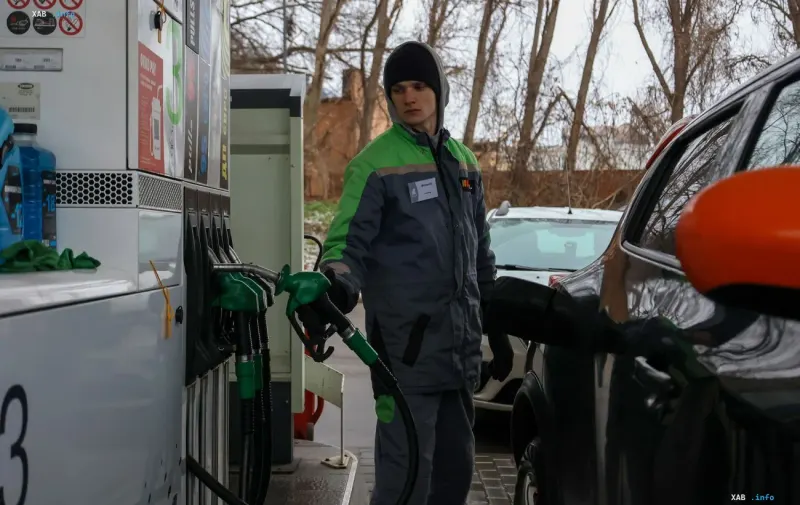
On Thursday, October 22, 2026, Ukraine's largest filling stations updated their motor fuel prices. According to market monitoring, a noticeable increase in the cost of diesel fuel and autogas was recorded across most popular networks, while prices for all grades of gasoline remained unchanged. Price adjustments affected networks such as WOG, OKKO, UPG, SOCAR, and Ukrnafta, reflecting the general trend toward dynamic fuel price changes in the country.
Autogas prices surge across leading networks
The most substantial changes in the current daily cycle affected the autogas segment, which increased in price across most major retail networks. Specifically, at WOG filling stations, gas rose by 1.50 UAH per liter to reach 55.00 UAH. OKKO and UPG networks raised autogas prices by 1.00 UAH per liter, setting price tags at 53.90 UAH and 52.90 UAH respectively. SOCAR adjusted its rates less significantly, increasing the cost by 10 kopecks to 54.40 UAH per liter. Meanwhile, the state-owned Ukrnafta network kept autogas prices unchanged at 50.90 UAH per liter.
Diesel fuel price dynamics
Increases were also recorded in the diesel fuel segment, although the dynamics here are selective. All types of diesel at WOG stations rose in price by 1.40 UAH per liter. A 1.00 UAH per liter increase was also recorded at Ukrnafta and UPG stations. At the same time, OKKO and SOCAR networks decided to keep diesel fuel prices at the previous day's level, refraining from simultaneous growth on this day.
Gasoline price stability
Despite rising prices for related types of fuel, the gasoline segment demonstrates temporary stability. All reviewed retail operators — WOG, OKKO, UPG, SOCAR, and Ukrnafta — kept existing price tags for all grades of gasoline unchanged. Drivers can refuel with popular fuel brands at prices set the day before, which somewhat smooths out the general wave of price increases in the market.
Market factors influencing fuel costs
Current price dynamics at Ukrainian filling stations continue to be shaped by logistical factors, exchange rate fluctuations, and general volatility in the energy market. Experts note that the fuel market remains sensitive to external challenges, including infrastructure risks and the cost of petroleum product delivery. Maintaining high prices for diesel and autogas while gasoline remains stable emphasizes the selective nature of operators' pricing policies as they adapt to the changing economic conditions of the autumn season.