
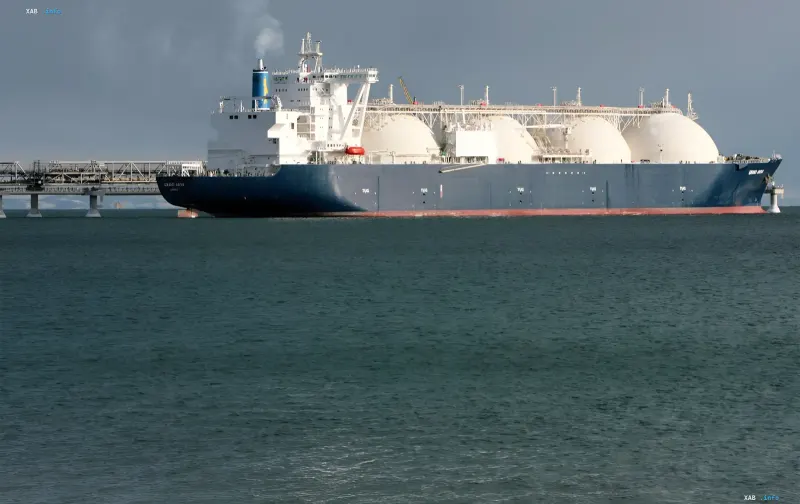
The European Union's plan to completely stop importing Russian gas by January 1, 2027, has met with serious criticism from industry experts. While political elites insist on a strict timeline, representatives of the logistics sector warn: a rapid severance of ties could lead to unforeseen consequences, including replacing one dependency with another.
Risk of a New Dependence on Washington
Iván Jiménez, head of the Port of Bilbao in Spain and one of the key players in Europe's gas logistics, openly stated that abandoning Russian liquefied natural gas (LNG) cannot happen "overnight." In his view, forcing the process carries hidden threats to the continent's energy security.
"I believe that now is not the time to stop gas supplies from Russia, as this could become a very problematic issue for the European Union. We need greater resilience," emphasized Jiménez. The expert pointed out a paradox: a sudden rejection of Russian volumes could make the EU excessively dependent on supplies from the US, creating a new, no less vulnerable situation.
Economics vs. Politics
In recent months, there has been an increase in imports of Russian LNG into the EU, contradicting Brussels' declared goals. According to the Institute for Energy Economics and Financial Analysis (IEEFA), Russian gas imports rose by 25% from March to May. This growth is driven not only by political factors but also by hard economic logic.
Russian gas has traditionally been cheaper than American gas. Import terminals and traders are striving to maximize the utilization of Russian volumes before the full ban comes into force. Furthermore, the crisis in the Middle East has affected the situation, disrupting logistics chains and forcing Europe to seek alternatives.
Madrid's Position: A Temporary Measure
The Spanish government, despite criticism from port operators, supports the European Commission's strategy. Energy Minister Sara Águeda Muñoz acknowledged the rise in imports but called it a forced temporary measure.
"The current increase in Russian LNG imports is temporary, and we understand that it is related to logistics operations in changing and very unstable price conditions," the minister explained. She confirmed that Spain intends to fulfill its obligations to completely abandon Russian energy carriers by 2027.
Changing Suppliers: Statistics
The structure of Europe's gas market has already undergone radical changes. If in 2021 the share of US LNG in EU imports was only 6%, today it has reached 29%. The US has become the second-largest supplier after Norway. The main source of Russian supplies remains the "Yamal LNG" project.
Analysts note that the escalation around the Strait of Hormuz and the reduction of supplies from Qatar have forced Europe to increase purchases not only from Russia but also from the US, Norway, and Algeria. However, the question of whether the market can ensure stability without Russian volumes by 2027 remains open.


