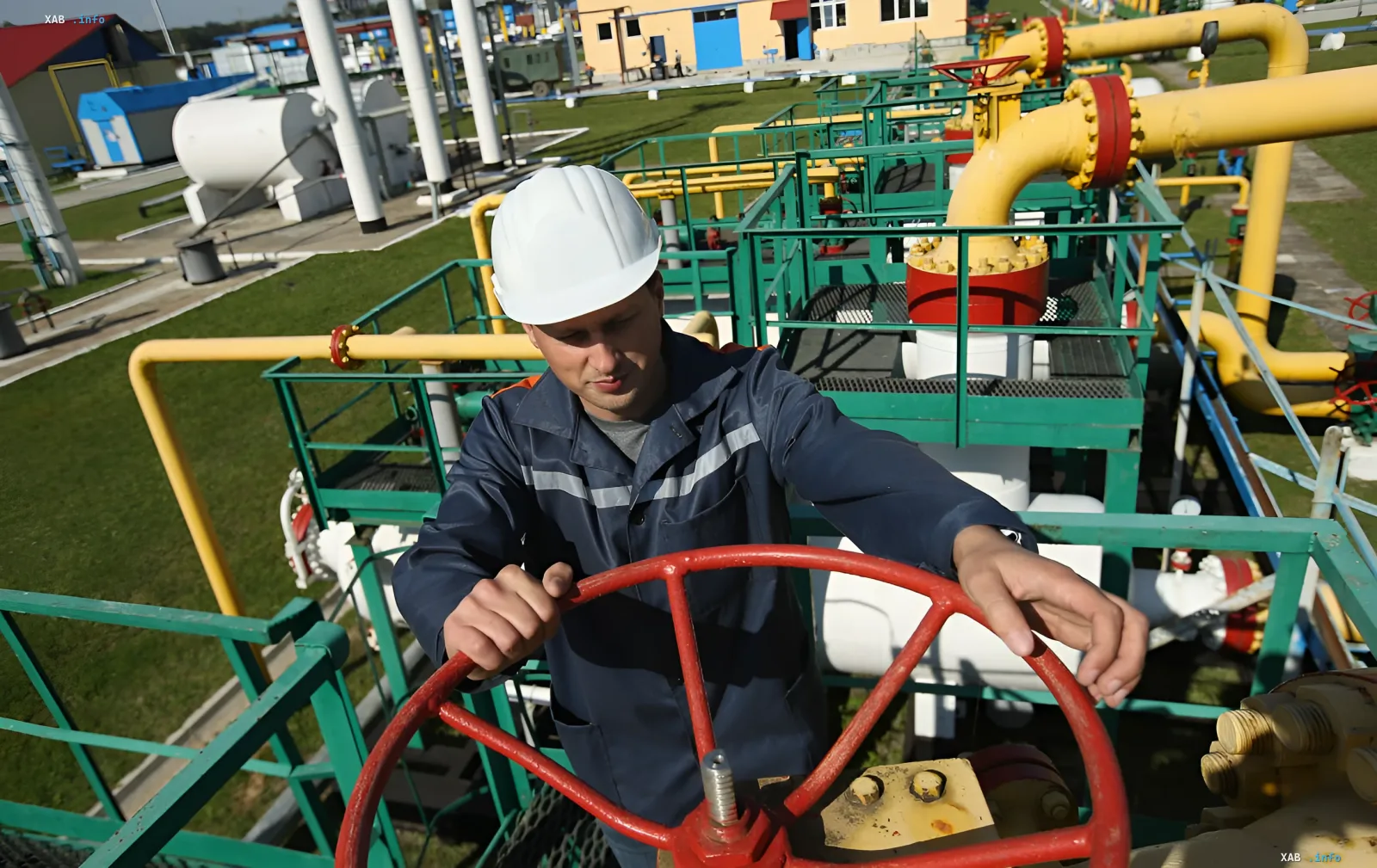
On August 8, 2026, Europe's energy map is showing alarming signs. Natural gas reserves in the storage facilities of European Union countries have dropped to critically low levels not seen since 2011. With winter approaching, when fuel demand traditionally rises, the current situation threatens the stability of the continent's energy supply and is sparking fears of a sharp price surge.
Failure of the Summer Strategy: Prices and Geopolitics
The traditional model of the EU gas market assumes that traders and utilities actively fill storage facilities in the summer, purchasing fuel at low prices for subsequent sale during peak winter months. However, 2026 has become an exception to the rule. Buyers have faced an unprecedented rise in summer prices, resulting from a complex interplay of factors: the escalation of the military conflict between the US and Iran, as well as anomalous climatic conditions.
These events have disrupted the usual price dynamics, making gas purchases economically unviable for many players. As a result, as of August, the fill rate of gas storage facilities in EU countries stands at only 58% of national capacity. This figure is 16% lower than the average over the last five years, signaling a serious systemic failure in preparations for the heating season.
Germany as the "Weak Link" in the European System
Germany has become the epicenter of the crisis. As Europe's largest economy, the Federal Republic possesses gas storage facilities with a capacity accounting for more than 20% of the total volume of storage across the entire bloc. According to the latest data, in August, gas reserves in Germany reached a historic low — only 47% of national capacity. This is the lowest figure since the beginning of statistical record-keeping.
Experts from Politico emphasize that Germany is the most vulnerable link in the supply chain. Due to the sheer size of the German economy and its integration into the pan-European network, a gas shortage in Berlin will inevitably affect neighboring countries. Germany's inability to replenish its reserves could lead to a cascading rise in gas prices across the entire EU, creating risks of an energy collapse.
Contradictory Data: Brussels' Optimism vs. Market Reality
Currently, there is a clear gap between the official stance of regulators and the forecasts of market analysts. The European Commission continues to state that the bloc is not threatened by supply shortages this winter, insisting that current safety measures are sufficient.
However, an independent analysis by the energy company Rapidan paints a different picture. Experts predict that by November, reserves will rise to only 65% of total storage capacity, which is significantly below target levels. Rapidan notes that reaching the necessary fill level will be impossible unless the EU offers a higher price for gas to stimulate its delivery to the continent. Without a significant price increase and market intervention, a winter deficit becomes a matter of time.
Berlin's Position: Rejection of State Intervention
Despite acknowledging historically low reserves, the German Ministry of Energy has taken a hardline stance. The ministry has officially refused to intervene in market mechanisms or oblige state-owned companies to purchase gas at current, inflated prices. Berlin relies on market self-regulation; however, in conditions where commercial benefits from purchases are undermined by geopolitical factors, this approach raises serious concerns among EU partners, who may find themselves facing closed borders or resource shortages.