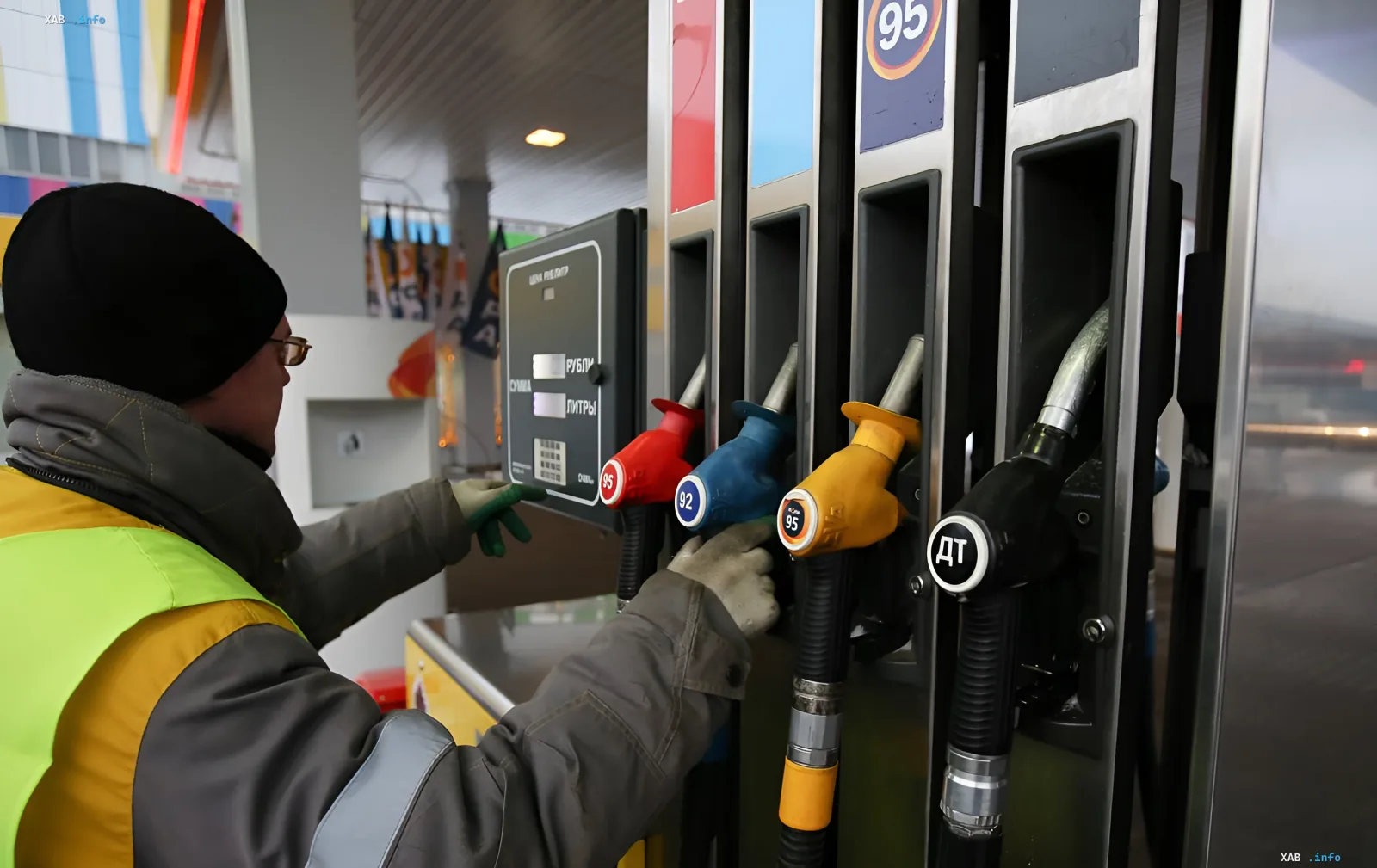
The Russian fuel market is facing an unprecedented crisis. The most significant weekly increase in gasoline prices in the last two decades has been recorded. According to the Federal State Statistics Service, during the period from June 16 to 22, the average cost per liter of fuel jumped by 3%, reaching 71.20 rubles. This is the first such large-scale price hike since 2006. Diesel fuel was not spared either, with its price rising by 2.7%.
Attacks on Refineries and Panic at Gas Stations
The root cause of market turbulence has been successful attacks by Ukrainian drones on oil refining infrastructure. Damage to key enterprises, including the major Gazprom Neft plant in the Moscow region, has sparked panic among car owners. Drivers have been buying fuel in bulk in jerry cans, leading to massive queues and an acute shortage of fuel at gas stations across the country.
Supply disruptions or total fuel rationing have been recorded in 75% of Russian regions. Authorities have introduced restrictions on the purchase of gasoline and diesel in the Bryansk, Kursk, Lipetsk, Samara, and Tyumen regions. The situation is critical even in the country's main oil region — the Khanty-Mansi Autonomous Okrug, where about 40% of Russia's oil is produced. Limits at gas stations are in effect in more than 50 regions of the Russian Federation.
Economic Consequences and Government Response
Constant attacks on energy facilities have dealt a significant blow to production capacity. In May, the output of oil products in Russia decreased by 13.5%, and gasoline production in the first half of the month fell by 15% compared to the same period last year. Experts note that the country has lost a quarter of its gasoline capacity, while the seaborne export of oil products in the first half of June plummeted by 15%.
Elvira Nabiullina, head of the Central Bank of Russia, has already warned that the decline in production due to the destruction of refineries has become a new serious inflationary factor. The rapid rise in fuel prices has accelerated annual inflation in the country to 5.8%. In response to the crisis, the government is considering emergency measures: a complete ban on the export of diesel fuel and the introduction of tax incentives to support the domestic market.
Despite Vice Premier Alexander Novak's statements that the situation is "manageable," accumulated problems in the fuel market continue to grow, creating a threat to economic stability and the daily lives of citizens.


