
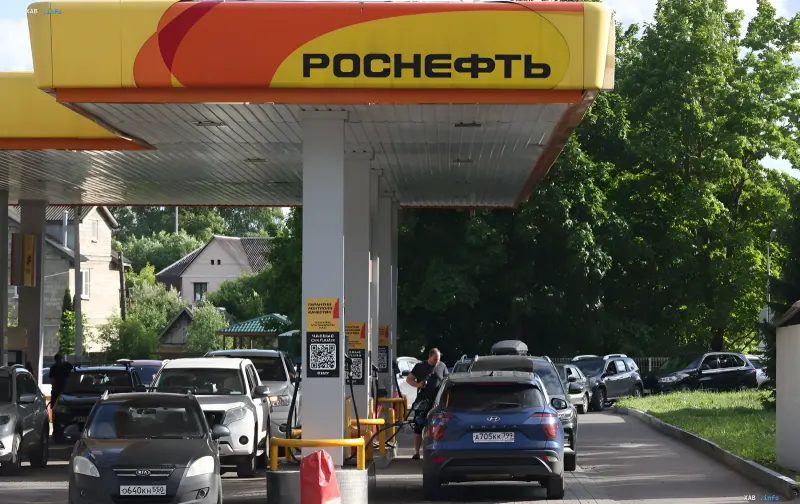
A major fuel supply crisis is unfolding in Russia. The situation at gas stations is becoming increasingly tense: drivers are facing long queues, and several regions have introduced restrictions on gasoline sales. The escalation is caused by a new wave of strikes on Russia's energy infrastructure, which has led to a sharp spike in retail prices.
Record Fuel Price Hikes
Statistical data confirms the worrying trend. According to the Federal State Statistics Service of the Russian Federation, between June 23 and 29, the average cost of gasoline in the country rose by another 1.7%, reaching 72.38 rubles per liter. Experts note that this occurred against the backdrop of the most significant weekly price jump in at least the last two decades.
The situation with diesel fuel has also worsened. Over the same period, the average price of diesel increased by 2.3%, totaling 84.84 rubles per liter. This growth directly affects logistics and the transport sector, creating preconditions for further increases in the cost of goods and services.
Impact of Strikes on Oil Refineries
The root cause of the fuel collapse is attacks on industrial facilities. According to Bloomberg, since the beginning of 2026, Ukraine has launched more than 50 strikes on Russian oil refineries (OR). For comparison, only 82 such attacks were recorded throughout the previous year of 2025. The intensity of strikes has increased significantly in recent weeks.
As a result, several major refineries were forced to halt operations. This led to a sharp reduction in oil refining volumes and, consequently, a shortage of domestic fuel supply. As of the end of June, about 90% of Russian regions reported supply disruptions or the introduction of gasoline sales rationing to authorities.
Government Response and Economic Risks
The deterioration of the situation in the fuel market is causing serious concern in the Kremlin. Authorities fear that shortages and rising prices could accelerate inflation and provoke social unrest, which is particularly critical on the eve of parliamentary elections scheduled for September.
The Central Bank of Russia has already stated that it will take the current situation in the fuel market into account when making further decisions on monetary policy. President Vladimir Putin acknowledged the existence of supply problems but called them "non-critical".
At the same time, Moscow confirmed its rejection of proposals to cease mutual long-range strikes and limit hostilities to only four occupied regions of Ukraine. This decision maintains a high risk of further attacks on energy infrastructure and exacerbates instability in the domestic market.


