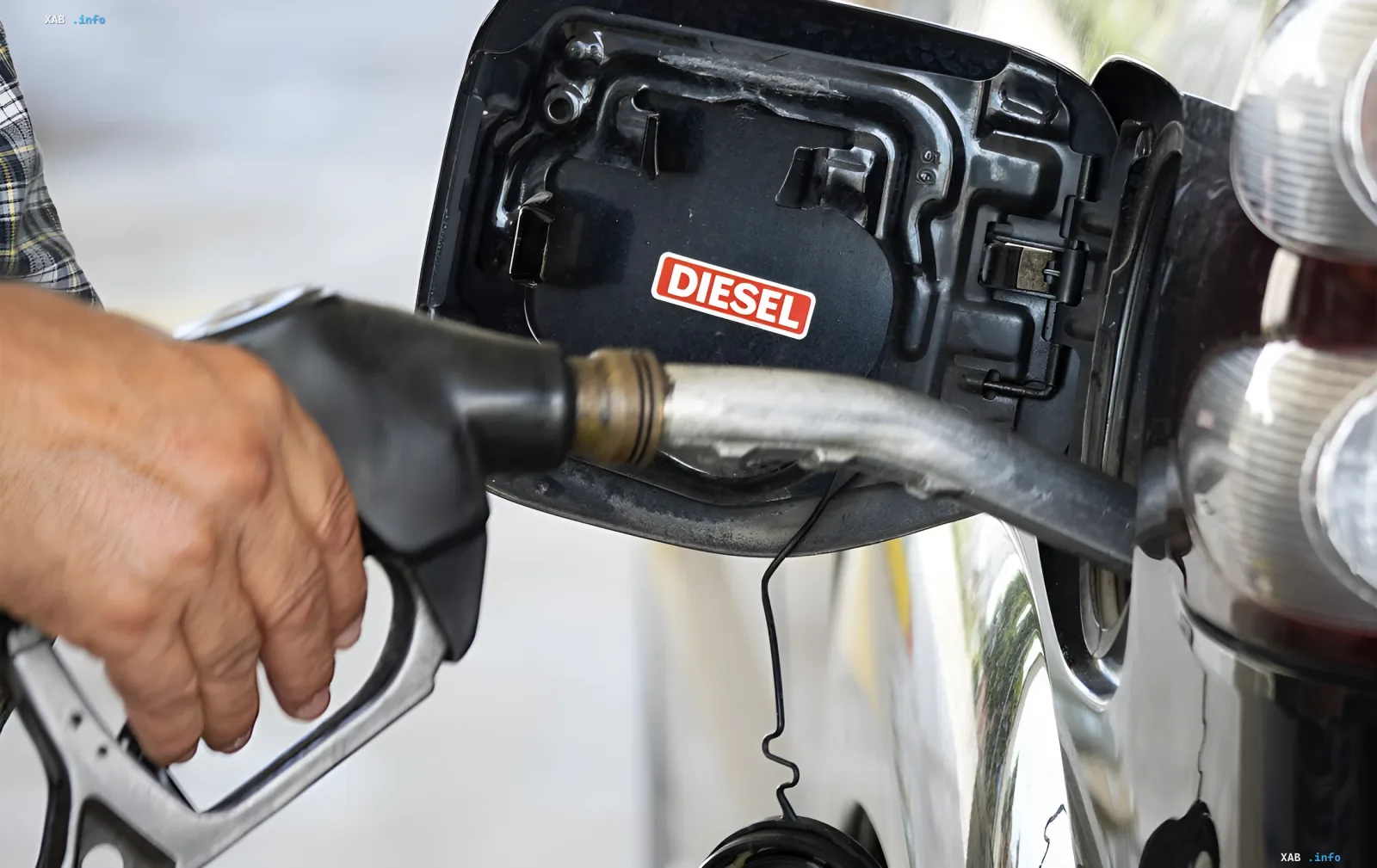
A crisis regarding the supply of automotive fuel is escalating in Russia. Shortages of gasoline and sharp price increases are spreading across more regions, creating serious difficulties for the population and businesses. Authorities are attempting to downplay the scale of the problem, however, independent sources and analysts are recording increasingly obvious signs of a systemic failure in the fuel sector.
Regions face fuel shortages
According to a report by the Institute for the Study of War (ISW), cited by RBC-Ukraine, Russian officials are forced to respond to growing tension in the fuel market. At the same time, independent and opposition media report real problems with gasoline availability in various parts of the country.
The St. Petersburg publication "Fontanka" recorded fuel shortages and price increases in several regions — including St. Petersburg, Voronezh, and Tula. Notably, difficulties are arising even in cities that have not previously encountered such problems.
Government response and restrictions at gas stations
In the Saratov region, officials discussed the possibility of setting maximum prices on gasoline due to supply disruptions and increased demand. In the Tver region, temporary restrictions on fuel sales were introduced at gas stations belonging to "Surgutneftegas" and "Tatneft". In the Tula region, local authorities officially confirmed a shortage of gasoline at certain gas stations, citing logistical difficulties and increased consumption as the causes.
Rising prices and consumer dissatisfaction
Russian consumers are increasingly expressing dissatisfaction with price instability and the uneven availability of fuel depending on the region. Some networks of gas stations not owned by major oil companies have already raised prices to compensate for potential losses.
Attacks on infrastructure and declining fuel quality
ISW analysts note that further attacks on Russia's energy infrastructure could exacerbate the situation. Already, the government has allowed refineries to produce low-quality fuel with poor environmental characteristics — so-called "dirty" fuel.
Reuters reported that due to shortages, Russia plans to import fuel by sea. The shortage of gasoline has been officially acknowledged in Crimea and certain regions of Siberia. In Crimea, fuel sales at gas stations were completely halted, and power supplies were also cut off.
Outlook: worsening of the crisis?
In the opinion of experts, it will become increasingly difficult for the Russian government to contain the consequences of the shortage and stabilize prices. The situation in the fuel market is becoming an indicator of deeper problems in the country's economy and logistics, especially against the backdrop of continuing attacks on critical infrastructure.


