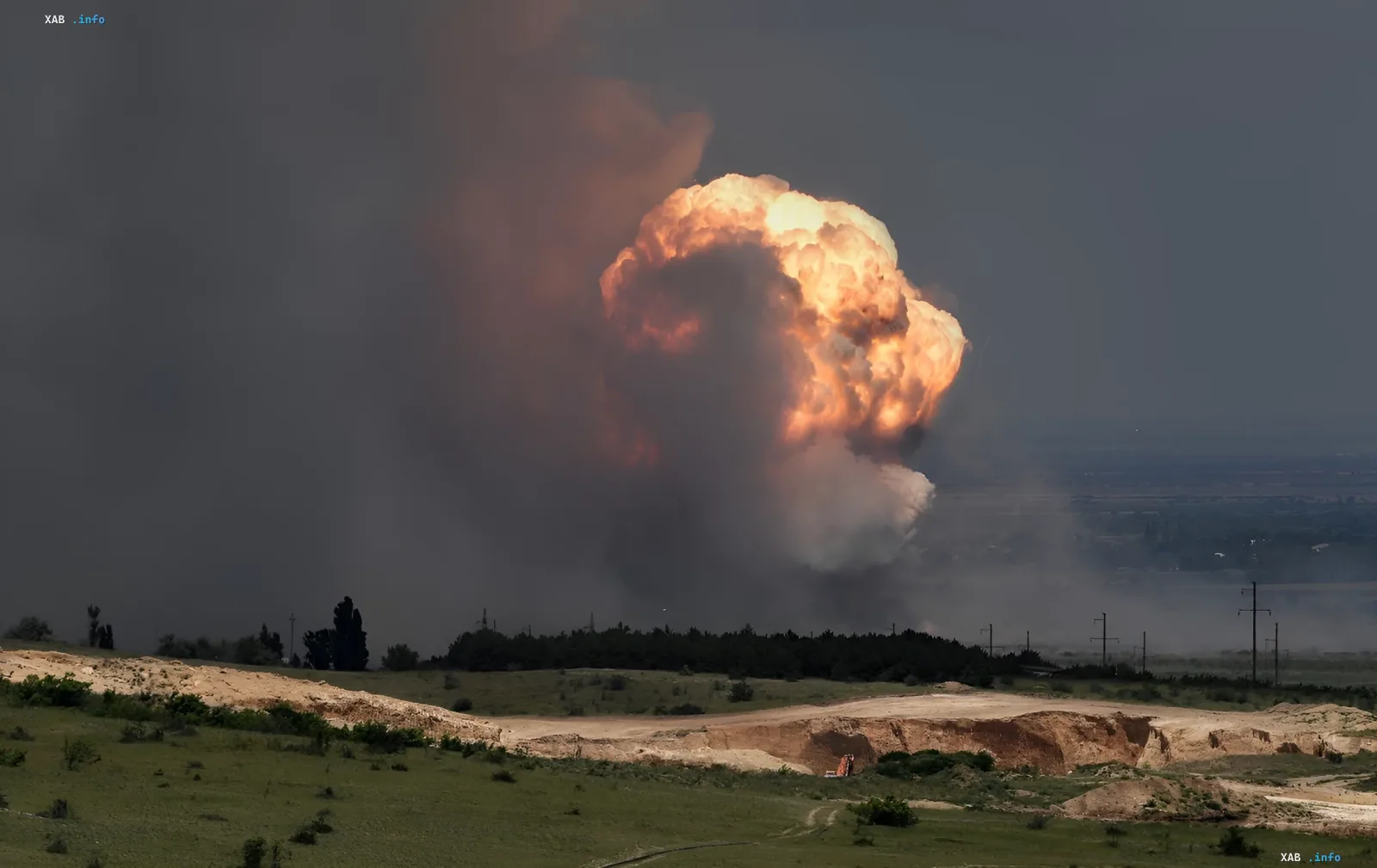
An acute fuel shortage has emerged in occupied Crimea, forcing local authorities to postpone the distribution of gasoline via ration coupons. The crisis was triggered by large-scale Ukrainian strikes on Russian logistics and energy infrastructure, which have dealt a devastating blow to supply chains on the peninsula.
The situation worsened following the destruction of the Chonhar Bridge — a key transport artery connecting Crimea with the mainland. Sevastopol authorities admitted that fuel tankers cannot deliver fuel to the city, and existing coupons have been invalidated. Priority for refueling is now given to public transport, municipal services, and government vehicles.
Logistical collapse and new restrictions
As so-called Sevastopol Governor Mikhail Razvozhayev reported in his Telegram channel, on Thursday, fuel tankers were unable to reach the city due to damaged infrastructure. He urged residents not to queue at gas stations, noting that new coupons would only be issued once the situation stabilizes.
“There is no point in standing in line at gas stations tomorrow,” Razvozhayev wrote, adding that current coupons would be canceled and new ones issued on Thursday. This decision resulted not only from local issues but also from Ukraine’s broader campaign of strikes against Russian industrial facilities.
Ukrainian campaign against energy infrastructure
Ukrainian President Volodymyr Zelenskyy stated that Kyiv’s prolonged campaign against energy facilities in Russia and on annexed territories has proven effective. In recent months, Ukrainian drones and medium- and long-range missiles have struck refineries, fuel depots, and logistics hubs, leading to a reduction in Russia’s oil production — the world’s third-largest producer.
“In recent months, we are particularly grateful for medium-range strikes: Russian military logistics across the entire depth of the temporarily occupied territory are now within range of Ukrainian drones,” Zelenskyy said in his evening address.
Strikes on Sevastopol and Russian losses
In the early hours of Thursday, more than two dozen Ukrainian drones were shot down during a new attack on Sevastopol — the peninsula’s second-largest city and the base of Russia’s Black Sea Fleet. Despite this, strikes on infrastructure continue, exacerbating the fuel shortage and creating serious problems for the occupation authorities.
Reuters noted that Crimea, annexed by Russia in 2014, had already introduced fuel rationing last month due to shortages. However, the current situation is significantly worse, as strikes on logistics and infrastructure have become systemic and large-scale.
Consequences for the population and economy
The fuel shortage in Crimea has already led to restrictions on the sale of gasoline and other types of fuel. Residents of the peninsula are facing resource shortages, while businesses and municipal services are experiencing difficulties in their operations. The destruction of the Chonhar Bridge and damage to other logistics hubs are worsening the situation, making fuel deliveries even more difficult.
Crimean authorities are attempting to stabilize the situation but so far cannot ensure uninterrupted fuel supplies. This creates additional problems for the population and the economy of the peninsula, which are already under pressure due to the occupation and military actions.


