As of Thursday, September 17, 2026, Ukraine has recorded yet another wave of rising fuel prices at the major retail gas station chains. Gasoline has become more expensive across virtually all popular grades, while autogas has largely held steady in the range of 42.90–45.50 UAH/liter in most chains. The most noticeable price increases hit the gasoline grades, where the hike ranged from 1 to 3 hryvnias depending on the chain.
Widespread gasoline price hikes at the major chains
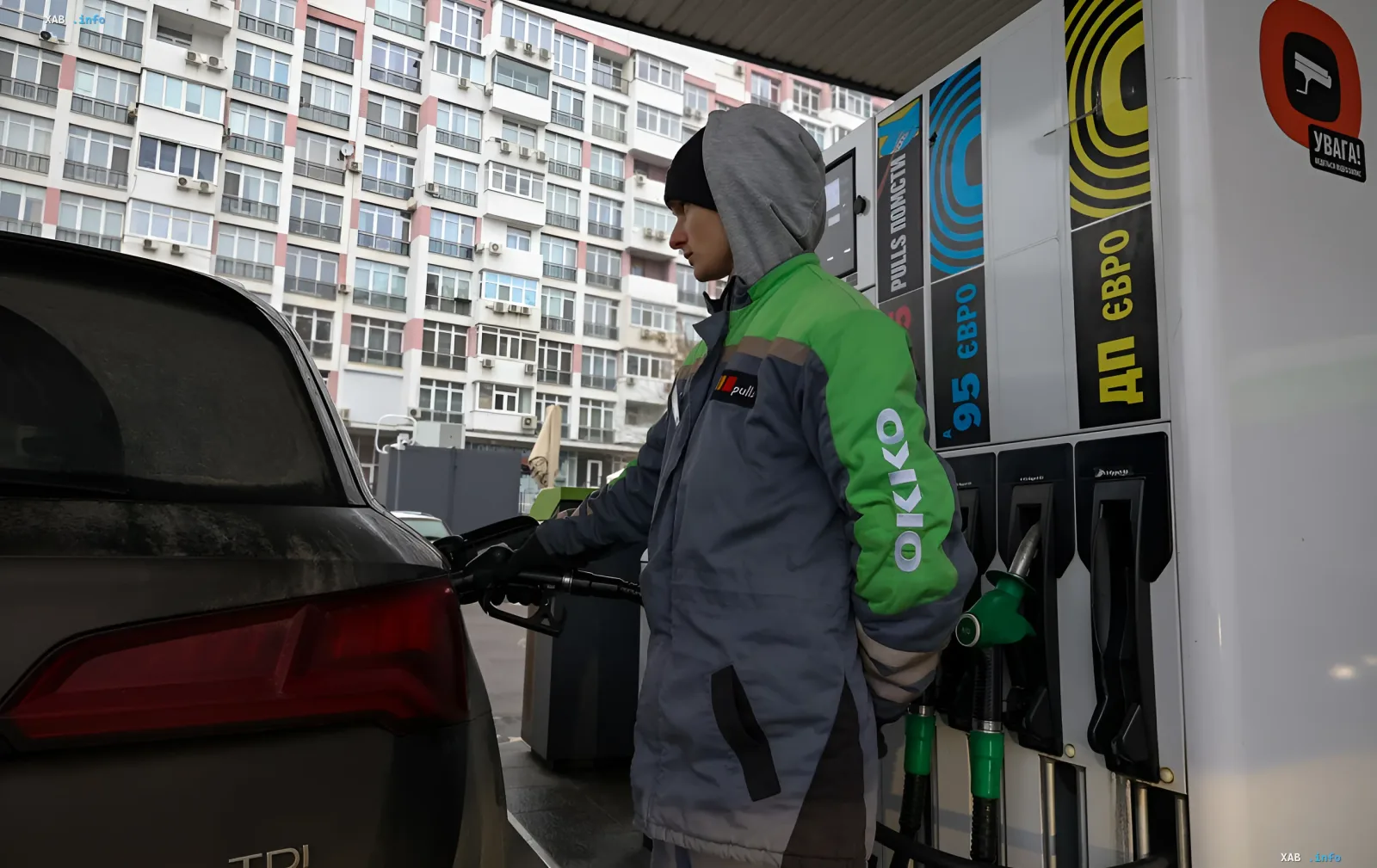
The OKKO and SOCAR chains raised the prices of popular gasoline grades — A-95 Euro and Pulls/NANO 95 — by 1 hryvnia, to 91.90 and 94.90 UAH respectively. The most striking price increase was recorded at WOG stations: gasoline 95 (Mustang) and 95 Euro jumped by as much as 3 hryvnias, to 95.90 UAH and 92.90 UAH. In the Ukrnafta chain, the main gasoline grades also rose by 1 hryvnia — A-95 now costs 84.90 UAH. Thus, the price spread for 95-octane gasoline across chains ranges from 84.90 to 95.90 UAH/liter.
Diesel and autogas: stability with isolated exceptions
Diesel fuel shows stability across most premium chains, although isolated adjustments have still been recorded. At OKKO, a modest 40-kopeck increase was seen for DT Euro — to 99.90 UAH, while at Ukrnafta all diesel grades rose by 1 hryvnia. Autogas remains unchanged in the vast majority of chains, holding in the 42.90–45.50 UAH/liter corridor; the only exception was SOCAR, where the gas price was raised by 60 kopecks.
Global context: a fuel crisis on both sides of the Atlantic
The price rise in Ukraine is unfolding against a broader international backdrop. According to international observers, a new phase of the fuel crisis is affecting markets on both sides of the Atlantic, where gasoline and diesel are rising in tandem. Ukrainian analysts link this to a global fuel crisis, noting that fuel prices have reached record levels over the past decades. This creates additional pressure on domestic retail prices, even in the absence of local shock factors.
Contradictory data
There are discrepancies in assessments of the scale of what is happening. On the one hand, local retail data show a moderate, "step-by-step" increase: in most chains gasoline rose by only 1 hryvnia, while diesel and gas have largely stabilized. On the other hand, international and analytical sources characterize the situation as a "price shock" and a global crisis with record price levels, implying deeper structural causes than a mere local adjustment. Thus, one version emphasizes the moderation of current retail changes, while the other highlights the systemic nature of the crisis; both perspectives coexist in open sources and warrant continued monitoring of the dynamics.
What this means for drivers
For end consumers, the key takeaway is that gasoline continues to rise unevenly: the price difference per liter of 95-octane gasoline between chains already exceeds 10 hryvnias, making the choice of gas station significant for regular spending. Diesel and autogas remain more predictable for now, but the isolated increases show that stability may be temporary. Against the backdrop of the global crisis, experts recommend watching price dynamics over the coming weeks, as further retail price hikes are likely if pressure on global markets persists.