
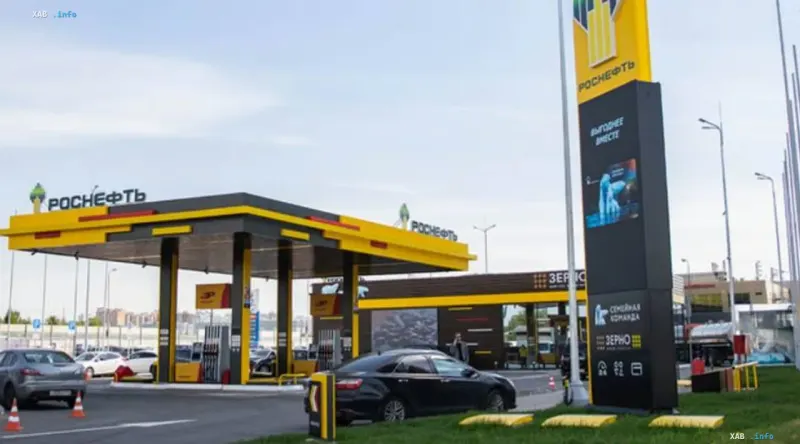
The automotive fuel market in the capital region has faced significant changes. Major gas station operators in Moscow and the Moscow region have begun introducing limits on the volume of gasoline and diesel fuel sold per refueling session. Measures aimed at regulating demand have already affected several federal networks.
New rules for drivers
The situation began to change at the end of May. The OTK gas station network (Rosneft brand) was the first to announce strict limits: starting May 30, the company limited fuel dispensing to 60 liters of gasoline and 100 liters of diesel per vehicle. This decision affected all stations in the network within the region.
The situation varies depending on the operator. The Lukoil network set a softer threshold — up to 100 liters of gasoline. Gazprom Neft representatives reported a limit range of 100 to 150 liters for both gasoline and diesel fuel.
Regional nature of restrictions
It is important to note that not all market players have switched to a unified operating mode. Rosneft and Tatneft stated that restrictions may be introduced selectively, at individual stations, depending on the current situation with supplies and logistics. This means that a driver may encounter limits at one gas station but not at a neighboring one.
Causes and consequences
The introduction of limits at gas stations in Moscow and the Moscow region is a reaction to current market conditions. Restrictions are intended to prevent hoarding of fuel and ensure an even distribution of resources among all consumers. For car owners, this means a need to adjust habits: filling a full tank may now require several visits to a gas station or searching for a specific station without restrictions.


