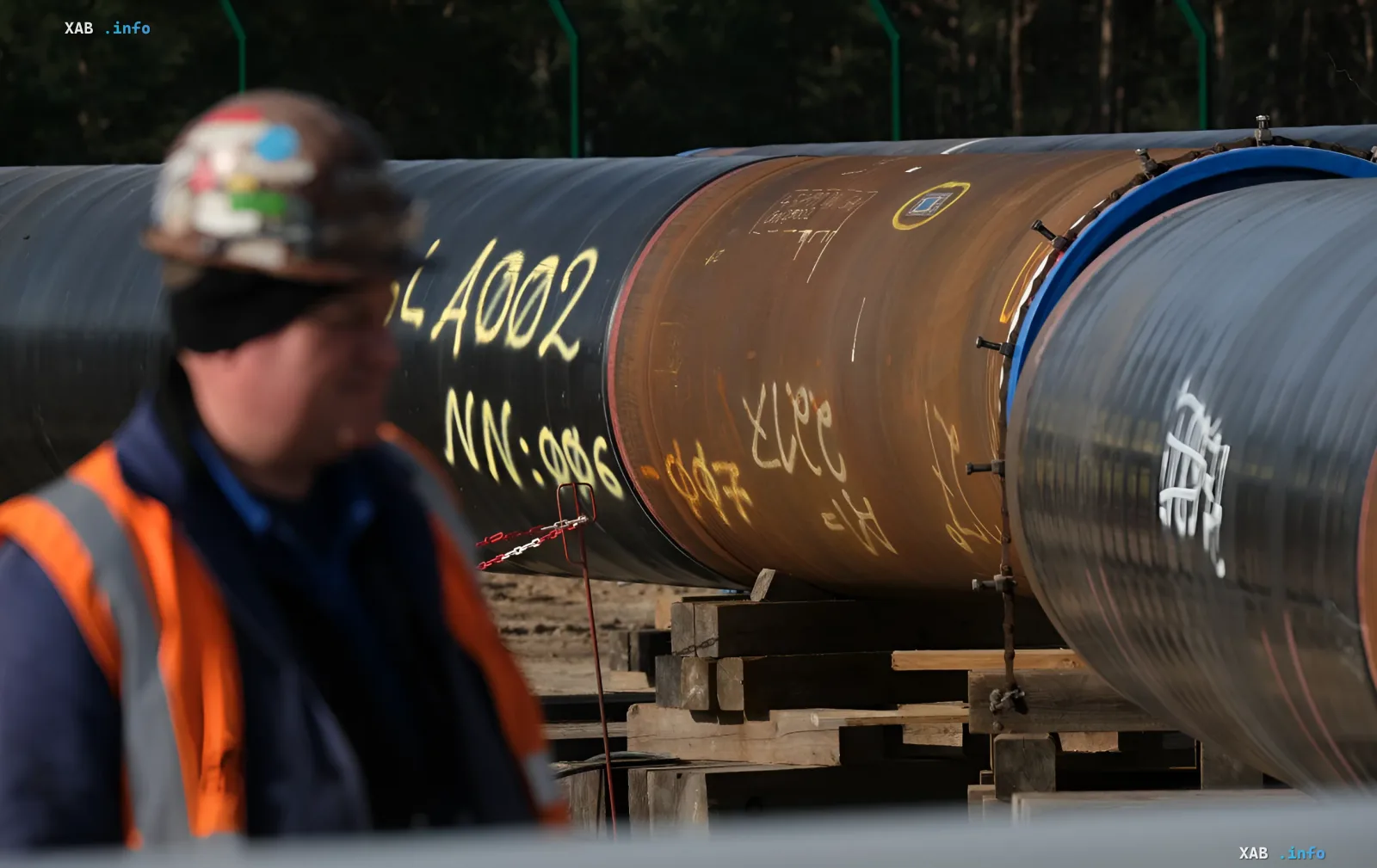
In Baku, against the backdrop of an ongoing energy forum, important negotiations have unfolded concerning the future energy partnership between two key market players. Turkey and Russia have begun discussing the terms for extending natural gas supply agreements, which are set to expire at the end of the current year. The main focus of the negotiations has shifted to the period after 2026, when the parties plan to renew contracts.
Negotiations between Botas and Gazprom
According to information obtained by the Bloomberg agency, the Turkish state-owned company Botas is conducting active consultations with the Russian gas giant Gazprom regarding the renewal of import contracts. This was stated by Turkish Energy Minister Alparslan Bayraktar, speaking to forum participants in Azerbaijan.
An official representative of Ankara noted that the details of the deal are still being worked out. Potential supply volumes and the exact duration of the new contracts have not yet been agreed upon. Nevertheless, the very fact of continuing the dialogue indicates the intention of both sides to maintain a strategic partnership in the energy sector.
Context: Successes and Challenges in the Market
It is important to note that the dialogue about the future is taking place against the backdrop of the successful completion of previous stages of cooperation. As early as December of this year, Ankara extended two key contracts with Gazprom for gas supplies via the "TurkStream" and "Blue Stream" pipelines. These agreements became the foundation for further negotiations.
For the Russian company, Turkey remains a critically important export direction. After the start of the invasion of Ukraine in 2022, Gazprom lost a significant part of its customer base in Europe. Under these conditions, Turkey has become the second-largest sales market for Russian gas, second only to China.
Global Shifts in Logistics and Trade
The situation in the global hydrocarbon market continues to change under the influence of geopolitical factors. Experts note that the reorientation of Russian liquefied gas exports from Europe to Asia is associated with serious economic risks. A sharp rise in logistics costs could lead to a significant drop in income for Moscow, despite the maintenance of supply volumes.
Parallel to this, energy flows in Europe are being restructured. The USA is actively increasing exports of liquefied natural gas (LNG) to the European market, compensating for the departure of Russian volumes. American companies are investing in expanding capacities on the Gulf Coast, striving to occupy the freed niche.


