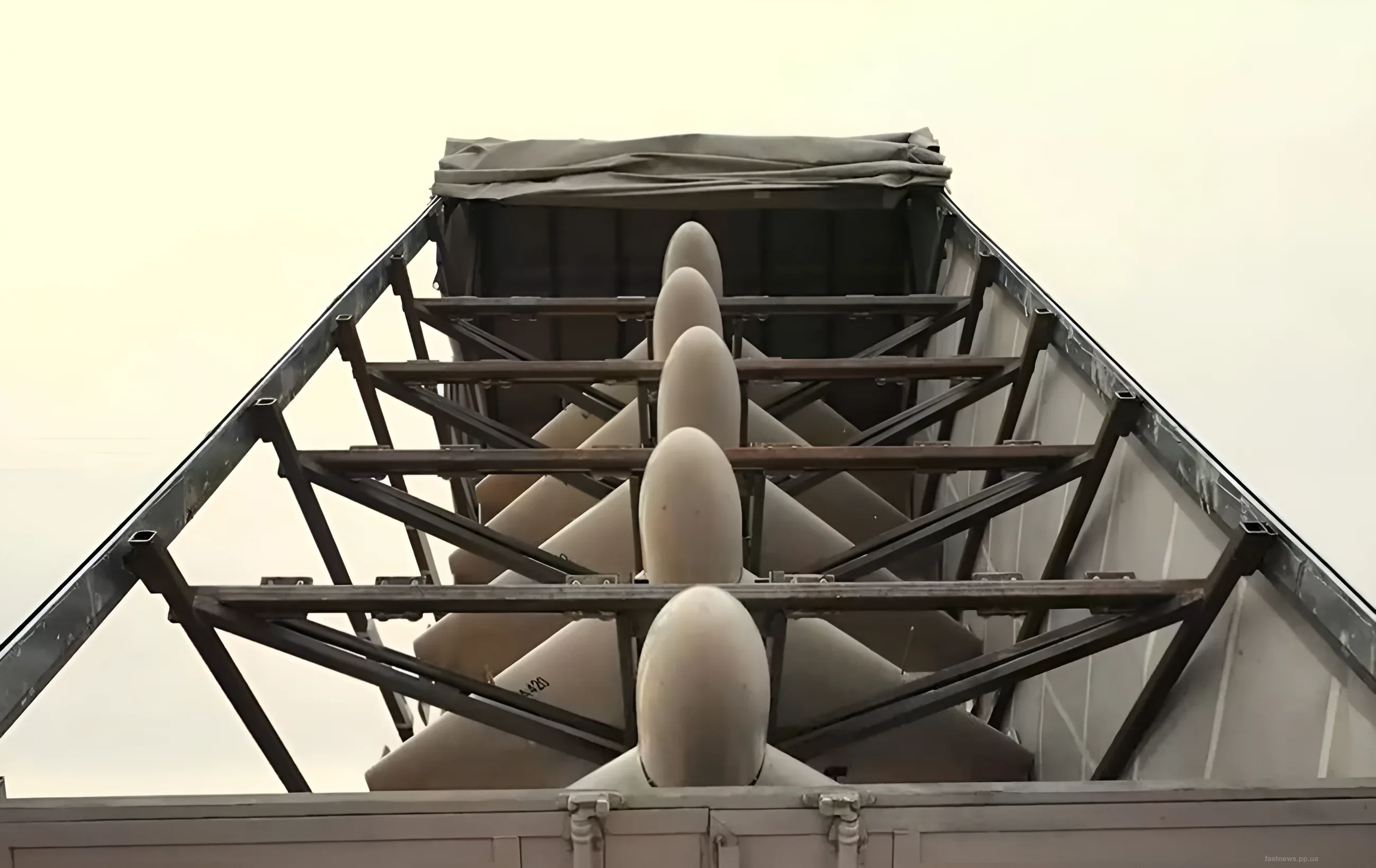
Since May 2026, the skies over Ukraine have acquired a new, far more dangerous inhabitant. The Russian side has begun the mass deployment of an updated version of the jet attack drone — the «Geran-4». This is not merely a cosmetic update but a fundamental rethinking of the concept, aimed at breaking the effectiveness of the Ukrainian interception system.
The Main Directorate of Intelligence of the Ministry of Defense of Ukraine (GUR) has revealed details of the new threat. While previous jet versions, such as the «Geran-3», were assembled based on the airframe of the standard gasoline «Geran-2», this approach has exhausted itself. The old construction simply could not withstand the high speeds and sharp maneuvers necessary to evade modern air defense systems.
Engineering breakthrough or desperation?
Russian designers were forced to take radical measures. The «Geran-4» received a completely new airframe with a reinforced structure and redesigned aerodynamics. This became a direct response to the successes of Ukrainian drone interceptors, which previously effectively shot down slower and less maneuverable targets.
The key difference of the new model is the powerplant. Two types of Chinese-made turbojet engines were detected in the construction of the «Geran-4». The use of more powerful and high-speed motors allows the drone to develop significant speed, making its interception an extremely difficult task for operators of anti-aircraft complexes.
Technological race and global context
The evolution of the «Geran» is taking place against the backdrop of an intensifying technological war. Previously, in the Chernihiv region, elevated radiation levels were recorded on the debris of an R-60 missile due to elements made of depleted uranium. This indicates that Russia does not shy away from using any available resources, including hazardous materials, to strengthen its armaments.
Parallel to this, a legal battle is unfolding. Four leading US technology giants are attempting to dismiss lawsuits filed by five Ukrainian citizens. The plaintiffs claim that the chips and processors of these corporations are used in Russian missiles that kill people. The fate of these cases could set a precedent for regulating the export of dual-use technologies in the era of unmanned warfare.


