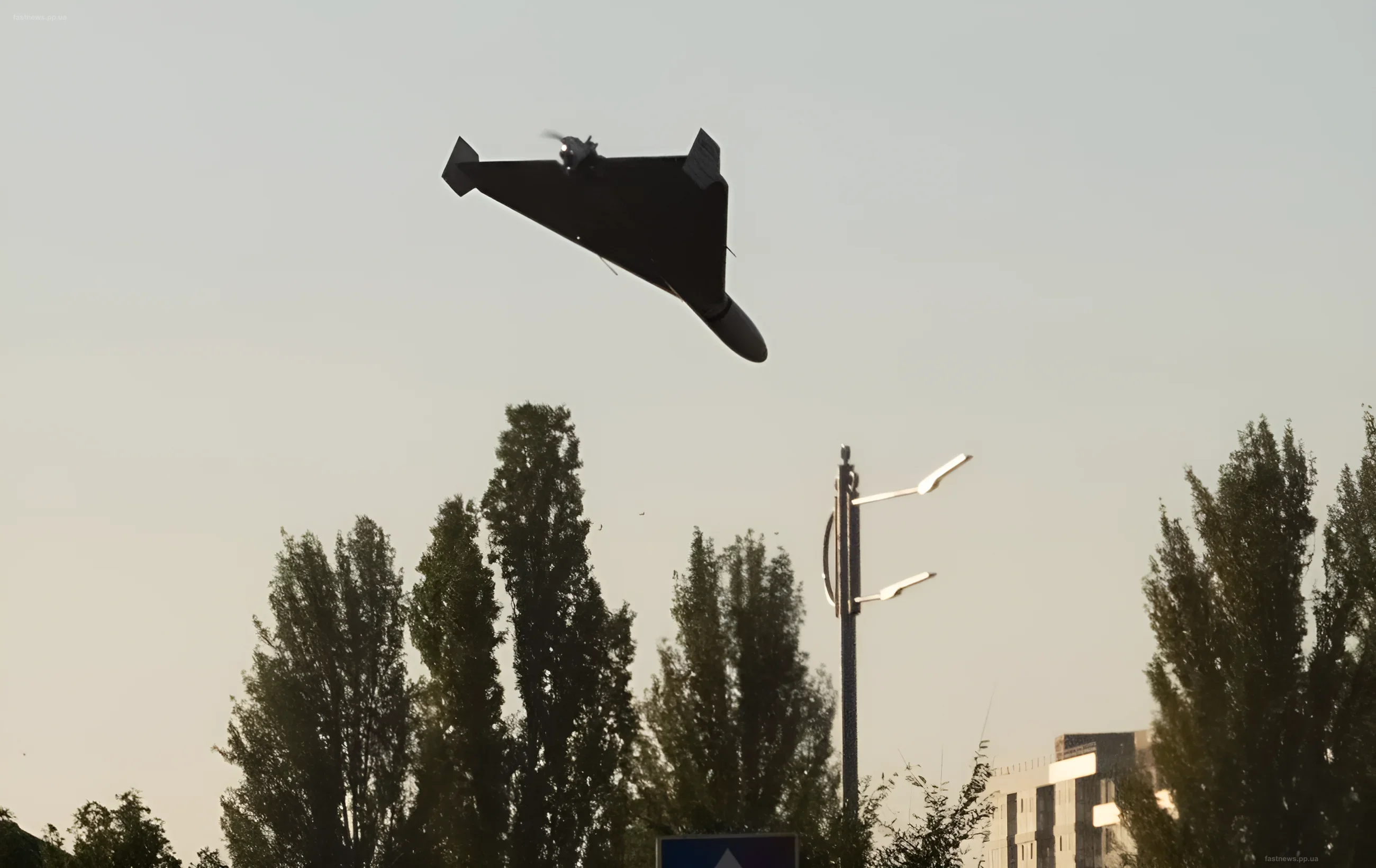
The Romanian Ministry of Defense has officially confirmed: the drone that crashed into an apartment building in Galați is a Russian "Geran-2." The incident, which occurred on the morning of May 29, was not just a random hit but a worrying signal for the entire NATO security system. The Russian unmanned aerial vehicle, developed based on Iranian Shahed drones, crossed the border and destroyed part of an apartment on the tenth floor, leaving behind an explosion and two injured people.
Four Minutes to Save
The main problem faced by the Romanian military is the critically short reaction time. Brigadier General Gheorghe Maxim revealed a shocking detail: only four minutes passed from the moment the target was detected until it crashed. This time is insufficient for a full interception cycle, including detection, identification, and neutralization of the object.
The situation is exacerbated by legal restrictions. Romania cannot simply open fire if there is a risk that debris or the warhead will fall on the territory of a neighboring country. Furthermore, in peacetime, the deployment of anti-aircraft systems, such as the Gepard, requires special permits, which the military simply did not have at the moment of the attack.
Outdated Systems Against New Threats
General Maxim honestly admitted that a significant part of the Romanian air defense systems was created long before the era of mass use of strike drones. The army is now forced to work in a "catch-up development" mode, trying to adapt old technologies to new challenges. Ministry representative Cristian Popovici emphasized that the military cannot risk civilians' lives by trying to shoot down a drone within the city limits.
Regional Threat
The Romanian Ministry of Defense called this incident an "irresponsible action" by Russia that threatens the stability of the entire Black Sea region. The NATO alliance has already condemned the attack, noting that such provocations demonstrate complete disrespect for international law. Romanian authorities are now working on changing legislation to have more rights to react quickly in similar situations in the future.


