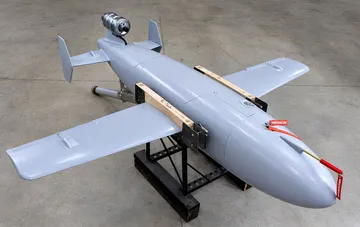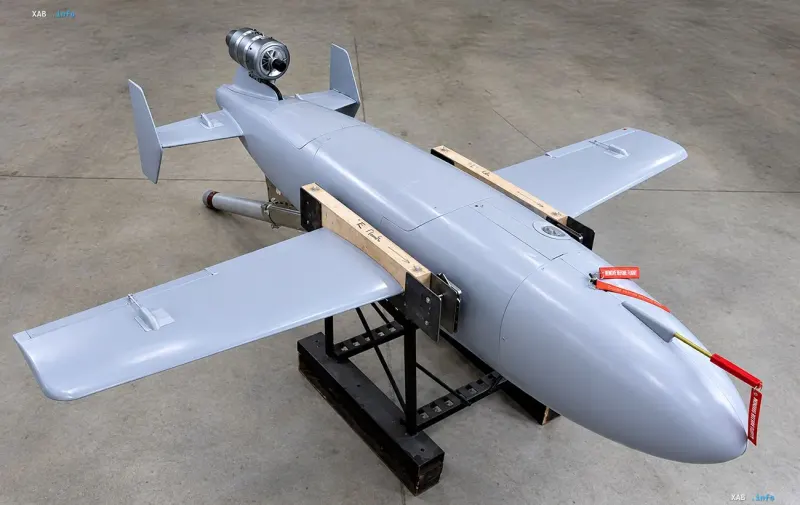
Germany is preparing to purchase an initial batch of Ukrainian long-range cruise missiles known as Bars for its armed forces. The agreement regarding the first batch for Bundeswehr testing could be finalized in the coming weeks, allowing the German military to begin technical trials early next year.
Characteristics and Production of Ukrainian Missiles
The Bars missile has a range of up to 1,000 kilometers and is equipped with a warhead weighing up to 105 kilograms, depending on the modification. In Ukraine, this system is frequently referred to as a drone missile, while in Germany it is classified as an affordable cruise missile. Production is established at a joint Ukrainian-German enterprise created under the Build with Ukraine initiative. The first German-produced batches arrived in Ukraine in October, and the facility will now manufacture missiles for the Bundeswehr as well.
Reasons Behind Berlin's Interest in Affordable Systems
Germany's interest in Ukrainian developments stems from a massive five-year rearmament program worth 780 billion euros. Berlin seeks to expand its long-range arsenal due to the ongoing military conflict and questions surrounding the reliability of US security guarantees. Previously signed preliminary agreements for US Tomahawk missiles faced high costs of 4 to 6 million dollars per unit and long waiting times extending into the 2030s.
Alternative Procurements and Employment Tactics
Alongside Bars, German officials are considering the acquisition of Anthem missiles from the US startup Covenant, which cost approximately ten times less than Tomahawks, while the potential procurement of Ukrainian Flamingo missiles has been postponed. Head of the German Army Christian Freuding noted that such mass-produced systems will make it possible to strike targets at a depth of up to 1,500 kilometers and successfully saturate enemy air defense systems.
Significance of the Contract for European Security
The potential procurement of Ukrainian weapons for the Bundeswehr marks a significant turning point in military-technical cooperation between the two countries. This is the first known instance of Berlin purchasing Ukrainian-developed offensive weapons for its own army. Such a step demonstrates an increased sense of urgency within German political and military circles amid the changing geopolitical situation in Europe.