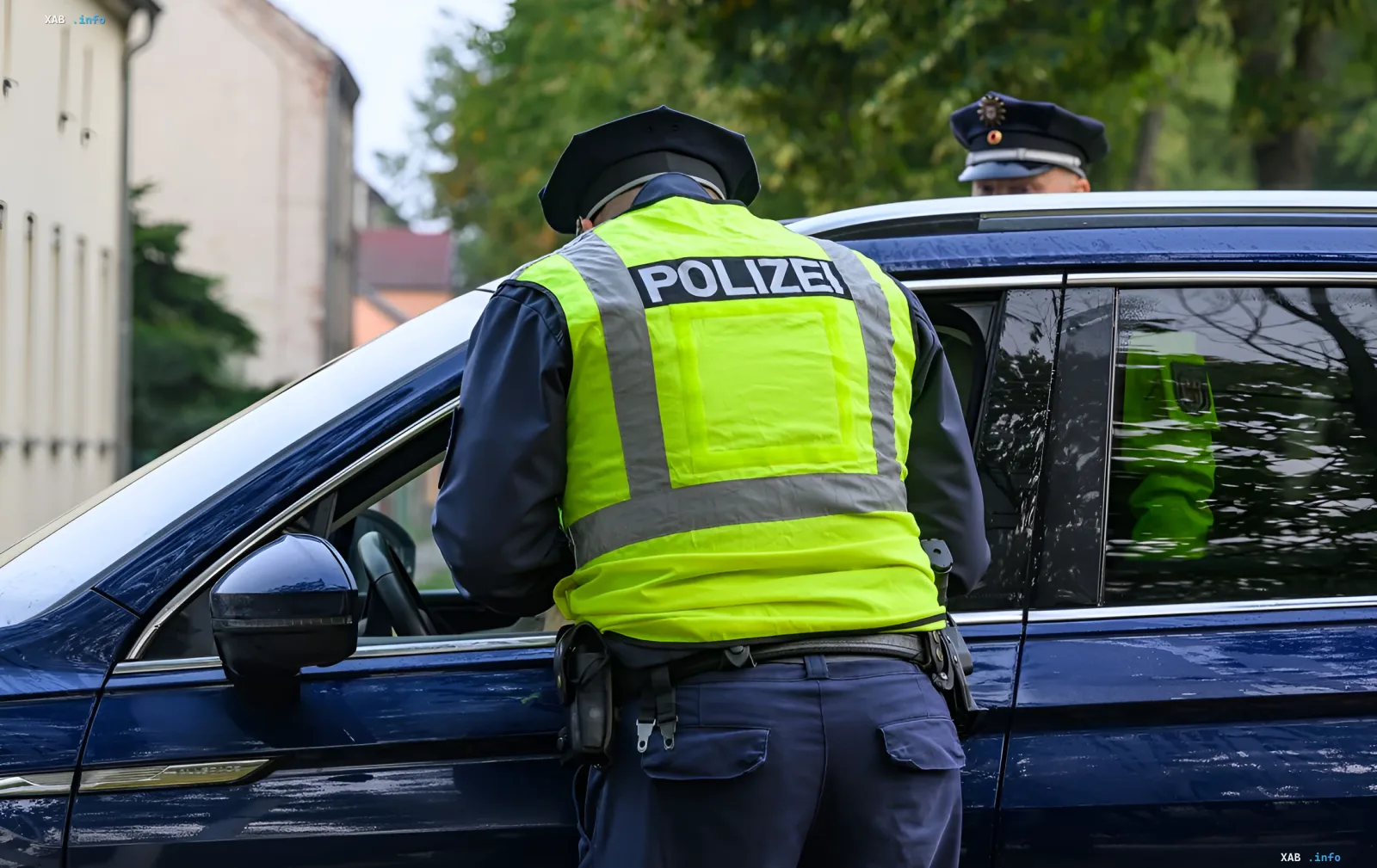
A new dispute over borders is heating up within the European Union. Germany has officially rejected the European Commission's request to abolish border controls on its internal frontiers. Berlin insists on maintaining checks, arguing that they are necessary to ensure security and combat illegal migration.
Berlin's Position: Security First
The decision was announced by Germany's Interior Minister, Alexander Dobrindt. Speaking at a meeting of EU interior ministers in Luxembourg, he categorically rejected Brussels' initiative. According to the minister, the current system of checks has already proven its effectiveness and serves as a powerful tool in the fight against crime.
Dobrindt provided specific arguments in favor of maintaining the barriers: "A significant number of illegal migration cases, arrests of smuggling gangs — all this shows how effective these border functions are, and that is why we want to continue carrying them out".
Clash with the Schengen Ideal
The situation on the internal borders of the European Union remains tense. Currently, ten EU countries are conducting checks, violating the principle of free movement that underpins the Schengen Area. Seven of them justify their actions with migration pressure.
In turn, the European Commission has appealed to several states to gradually open their borders. EU Commissioner for Home Affairs and Migration Magnus Brunner is convinced that reforms are already yielding results. "We are on the right track. Reforms have been implemented. External borders are better protected. A decision on return regulation has been adopted," he stated, calling for the abolition of internal controls.
Poland and the Ukrainian Question
Poland became the tenth country to introduce restrictions on internal borders, although Warsaw has not yet received official demands to lift them. Initially, these measures were planned as temporary, but in several states, they have been in place for years.
Amidst the discussions about borders in Europe, the issue of the status of Ukrainian refugees has intensified. Brussels is discussing the possibility of abolishing the automatic protection status for men of mobilization age. This idea is actively supported by countries that receive the largest number of Ukrainians.
The European Union plans to extend temporary protection for refugees after March 2027, however, significant restrictions may be introduced for men. At the same time, leaders of the bloc have approved plans to accelerate deportations and build migrant detention centers outside the EU.


