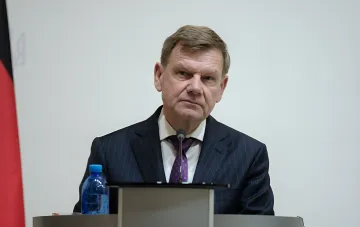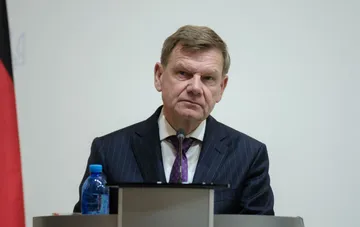
Germany is facing an unprecedented level of national security threat amid the escalation of Moscow's aggressive hybrid campaign. According to Martin Jäger, head of Germany's Federal Intelligence Service (BND), speaking during annual public hearings of intelligence chiefs in the German parliament, the confrontation between Berlin and the Kremlin has moved to a fundamentally new and much more dangerous level. According to the agency's estimates, the situation in the region has heated up to the limit, and the escalation potential continues to grow rapidly.
New dimension of confrontation and the Leipzig incident
The BND chief stressed that the confrontation with Russia has acquired a dangerous dimension, putting Germany at real risk of being drawn into a direct armed clash. As one of the most vivid and alarming examples of such a hybrid threat, Jäger cited a recent attempted attack in Leipzig. German competent authorities had previously officially accused Moscow of organizing a drone sabotage attempt targeting the logistics infrastructure of Leipzig Airport back in August. Such incidents clearly demonstrate that Moscow has shifted from traditional political pressure to active sabotage operations on the territory of European states.
Hybrid warfare, cyberattacks and Moscow's position
German authorities and specialized agencies have repeatedly recorded the escalation of the so-called "shadow war" that Russia is waging against European Union countries and NATO members. The arsenal of this covert aggression includes large-scale cyberattacks on critical infrastructure, sabotage, espionage, and the use of unmanned aerial vehicles for intelligence gathering and sabotage planning. German special services openly warn about the readiness of Russian operatives to carry out the harshest operations. At the same time, official Moscow categorically denies any intentions to launch attacks or provocations against North Atlantic Alliance countries, calling Western intelligence accusations groundless.
Contradictory data
It is worth noting that there are certain discrepancies in the expert and media space regarding the exact timing and scale of a possible direct military confrontation. While the BND leadership and a number of Western intelligence structures argue that the Russian leader and military command could be ready for an open clash with Europe virtually "at any moment", other analysts believe that Moscow is currently focused primarily on asymmetric hybrid measures below the threshold of open war. Nevertheless, the general trend toward militarization and mutual deterrence is noted by all process participants.
Allies' reaction and strategic changes in Europe
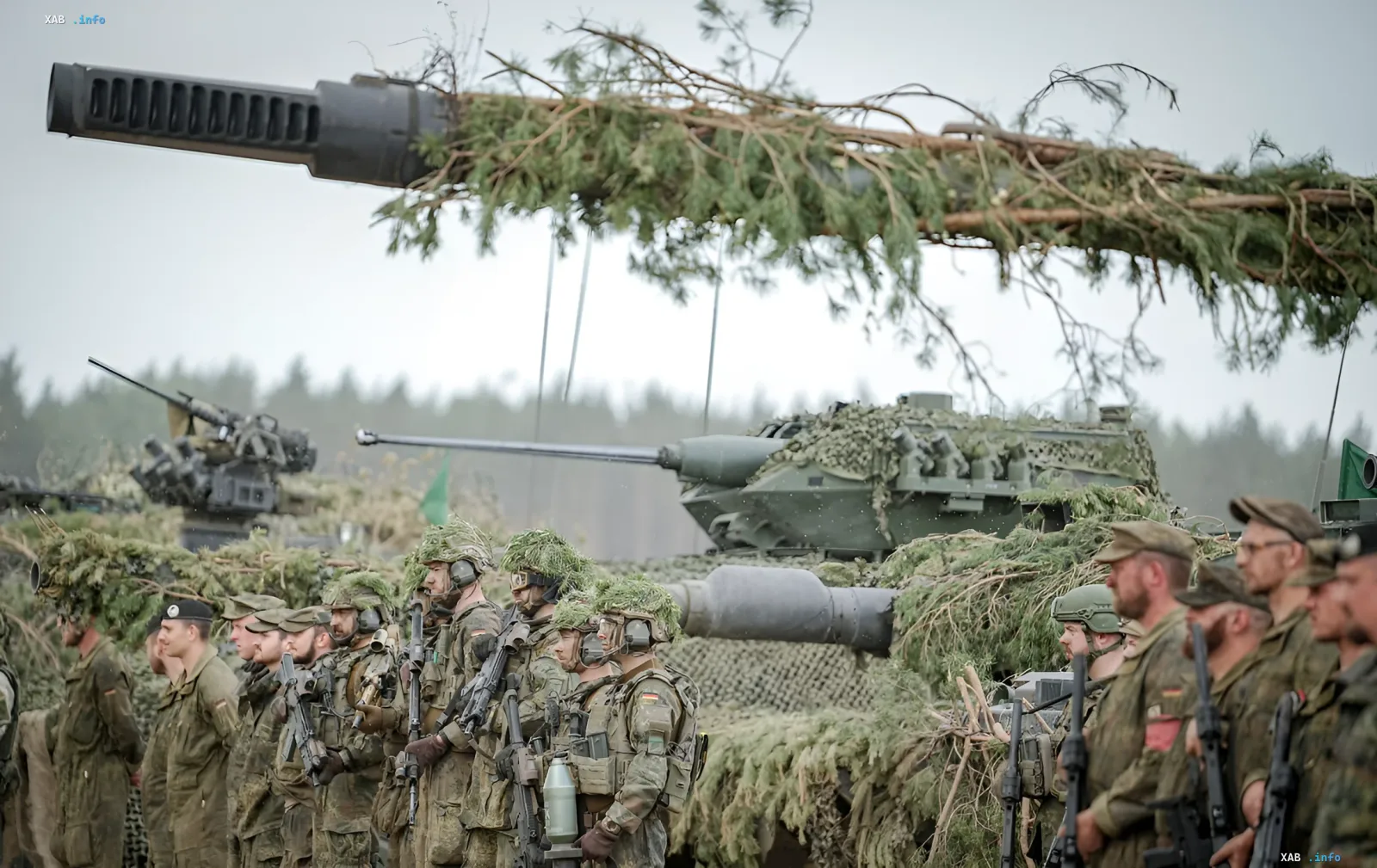
Against the backdrop of growing threats from its eastern neighbor, European states are hastily revising their defense concepts. The North Atlantic Alliance previously developed a new "Victory Theory", which provides for an immediate and coordinated response in the event of Russian aggression with the active use of artificial intelligence, strike drones, and the latest technological developments. In parallel, neighboring Estonia announced a cardinal change in its defense strategy, moving to the concept of "active defense". Tallinn is redeploying a key combat brigade in close proximity to the Russian border while simultaneously building up its own long-range capabilities to effectively deter a potential aggressor.