A new era is dawning in the world of digital security. Google has announced the implementation of a revolutionary identity verification method designed to become a reliable shield against account hacking. Instead of familiar passwords and SMS codes, the company offers users to record short selfie videos. This step is aimed at making access recovery as simple as possible for the owner and practically impossible for attackers.
How the new protection system works
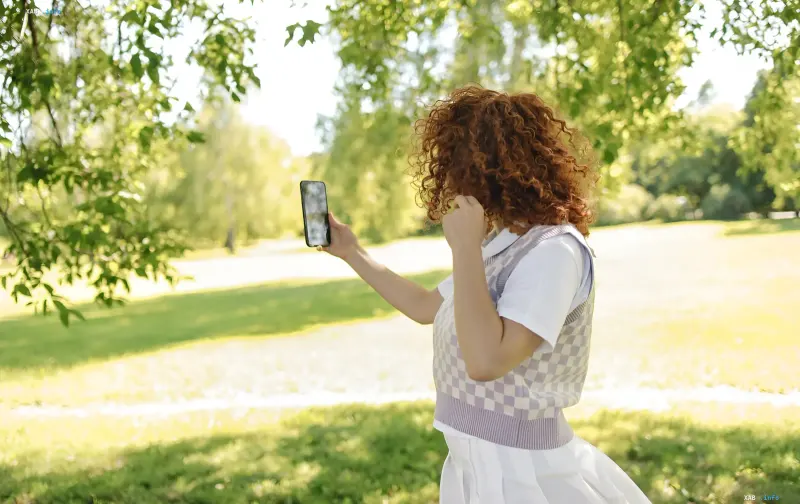
The setup procedure for the new feature is extremely simple and requires no special skills. The user only needs to open the device camera and follow voice or visual prompts. The system will ask you to turn your head left, right, or nod. These movements allow algorithms to capture facial biometric data from different angles, creating a unique digital fingerprint.
If the user encounters login problems in the future — for example, a lost phone or a forgotten password — it will be enough to record a new selfie video. Google's artificial intelligence will compare the new recording with the previously saved sample. If the data matches, access to email, documents, and photos will be restored instantly.
Fighting deepfakes and bots
The main goal of the developers is to guarantee that a live person is in front of the camera, not a fake file, a static photo, or a bot. In conditions where deepfake creation technologies are rapidly developing, Google employs a multi-level protection system:
- "Live video" verification: Mandatory execution of test head movements in real-time eliminates the possibility of using pre-recorded clips or photos.
- Automatic verification: Algorithms instantly compare the current recording with the standard stored in the system.
- Threat monitoring: Standard tools are used to detect suspicious access attempts, even if biometric data matches.
Privacy and data security issues
The introduction of biometrics always raises questions among regulators and human rights activists. However, Google emphasizes that video recordings are saved only with the user's explicit consent. The company guarantees that this data is used exclusively for authorization and will not be used for other purposes unless the person explicitly permits otherwise.
All user information is fully encrypted. Even at moments when data is not used for login, it remains under reliable protection. Users retain full control over their biometric data and can delete the selfie video from their account at any time through the settings.
The new feature does not replace but complements existing security tools, such as passkeys and recovery contacts. You can check the availability of this feature for your profile and set it up on a special page in your Google Account settings.