
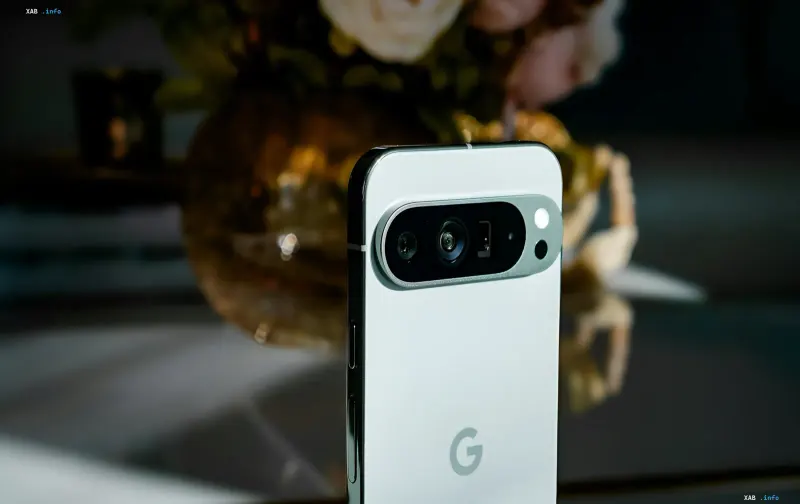
Google is preparing a significant update for its flagship Pixel smartphones, which could radically change how users approach desktop customization. In the code of the latest Android 17 QPR1 test build, specialists discovered a new tool called Photo Shuffle. Its main task is to automatically change wallpapers on a schedule, but with a fundamentally new approach to image selection.
From stock images to personal gallery
Interface screenshots that have appeared online confirm that users will get the ability to flexibly configure the visual design of the screen. Unlike the current system, which offers random images from Google's stock sets, Photo Shuffle will work with the device owner's personal gallery.
Users will be able to select ready-made albums or create unique folders. The system's smart algorithms will automatically select photos of specific people or pets, turning the smartphone screen into a dynamic family gallery.
A new use case
Currently, Android has a "Daily Wallpaper" function, but it is limited exclusively to standard image sets from the manufacturer. Photo Shuffle breaks this paradigm by offering personalization at the level of content created by the user themselves.
The tool will appear in the "Wallpaper & Style" menu in the phone settings. It is expected that the new feature will become available to all Pixel owners in September as part of the scheduled stable Feature Drop update.
Copying successful iOS solutions
This is far from the first time Google has integrated functions into Android that previously proved successful on iOS. In addition to the visual update of the lock screen, the tech giant is actively borrowing elements of Apple's seamless ecosystem.
At the recent Google I/O 2026 conference, developers announced the Continue On technology. It works similarly to the Apple Handoff function and allows users to instantly continue working in apps or reading documents on another device (such as a tablet or laptop) from where they left off on their smartphone.
Experts note that such steps are aimed at retaining premium customers and increasing the overall comfort of using the Android infrastructure, making it more convenient and "alive".


