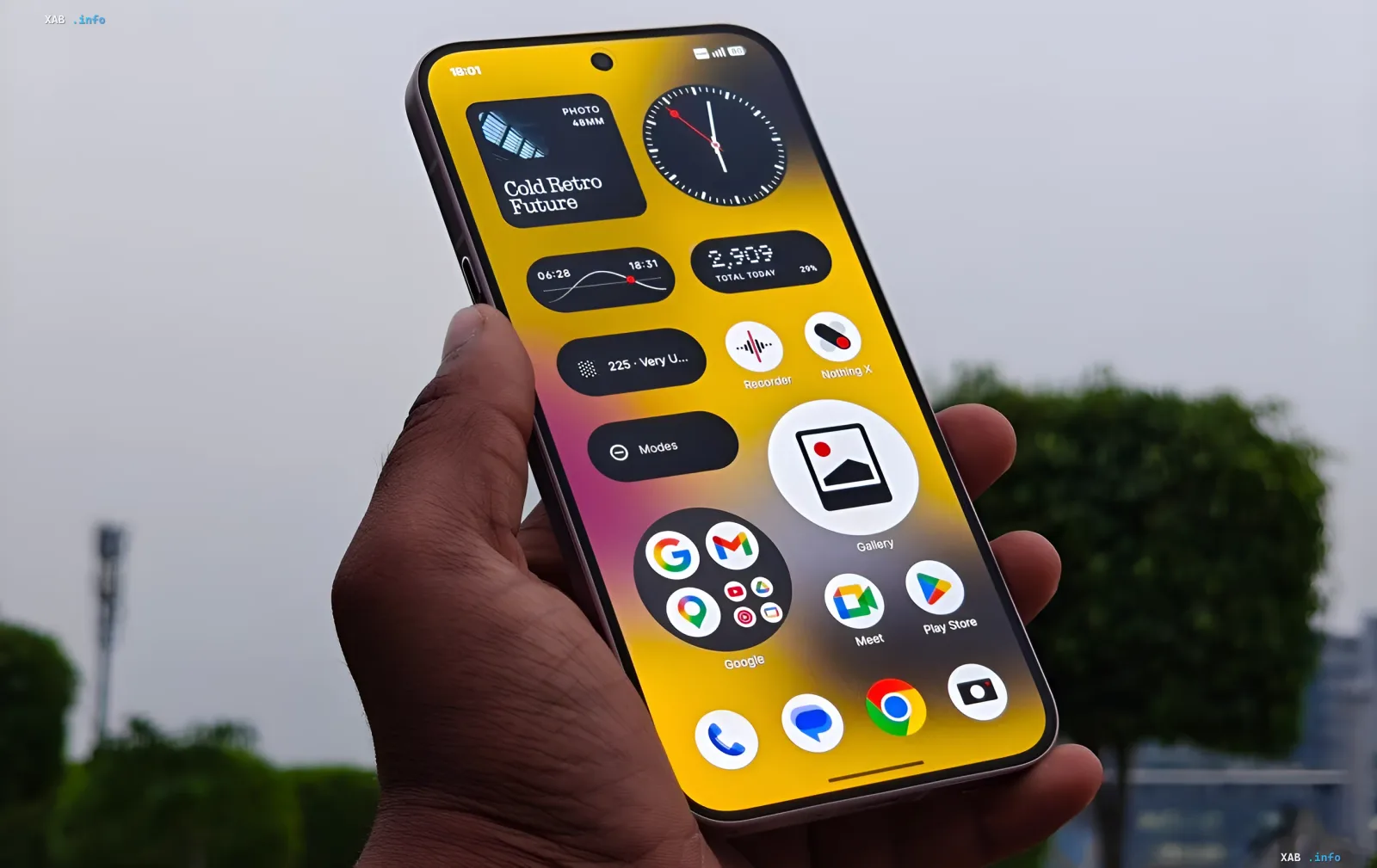
Google Pixel smartphones, traditionally considered the benchmark for "stock" Android stability, have faced a critical crisis. A major security update released in March, instead of providing protection, led to widespread failures, turning many devices into useless "bricks." The issue, known as an infinite reboot loop (bootloop), turned out to be so deep that even subsequent fixes failed to revive all locked devices.
The situation, reported by RBK-Ukraine citing Android Authority, began developing early in the spring. Users around the world noticed that after installing the scheduled patch, their devices began behaving erratically. Instead of the familiar interface, the smartphone either freezes solid on the initial screen with the white Google logo or, upon receiving the unlock PIN, immediately shuts down and restarts.
Scale of the Problem: From Pixel 6 to Flagships
The glitch spared no category of users. A wide range of devices fell into the danger zone: from relatively older Google Pixel 6 models to the latest Pixel 10 series flagships. This indicates a fundamental error in the update code affecting various hardware configurations.
In May, Google engineers attempted to fix the situation by releasing a special software build. However, hopes for a quick resolution were not met: the update helped only a limited number of owners. For the rest, the problem persisted and, in some cases, worsened.
Deadlock: Impossibility of Self-Repair
The most critical part of the problem is that on many damaged smartphones, it is impossible to launch even the standard Recovery Mode. This deprives owners of the ability to independently install fixes or reset settings, leaving them without access to data and device functions.
On Google's official bug tracking platform, Issue Tracker, the number of complaints and comments from angry buyers has already exceeded 800 messages. Users describe identical failure scenarios, pointing to the systemic nature of the glitch.
Google's Tactics: Refusal of a Public Solution
In June, Google began sending official letters to affected customers, acknowledging that the investigation into the causes of the crash has been ongoing since March. Engineers did indeed develop step-by-step guides to restore the operating system's functionality but refused to publish these algorithms publicly.
Instead of a single public release or an instruction on the website, the company urges every owner of a broken phone to contact Google Support personally. This tactic is due to the lack of a universal "cure": further resuscitation steps depend entirely on exactly at what stage and how the error manifests on a specific smartphone instance.
Expert Warning
In an attempt to bring their devices back to life, many users look for workarounds. However, experts strictly warn against attempting to solve the problem independently by switching to beta versions of the upcoming Android 17. According to reviews on thematic forums, installing raw, unstable software only worsens the device's condition, making its recovery even more difficult.


