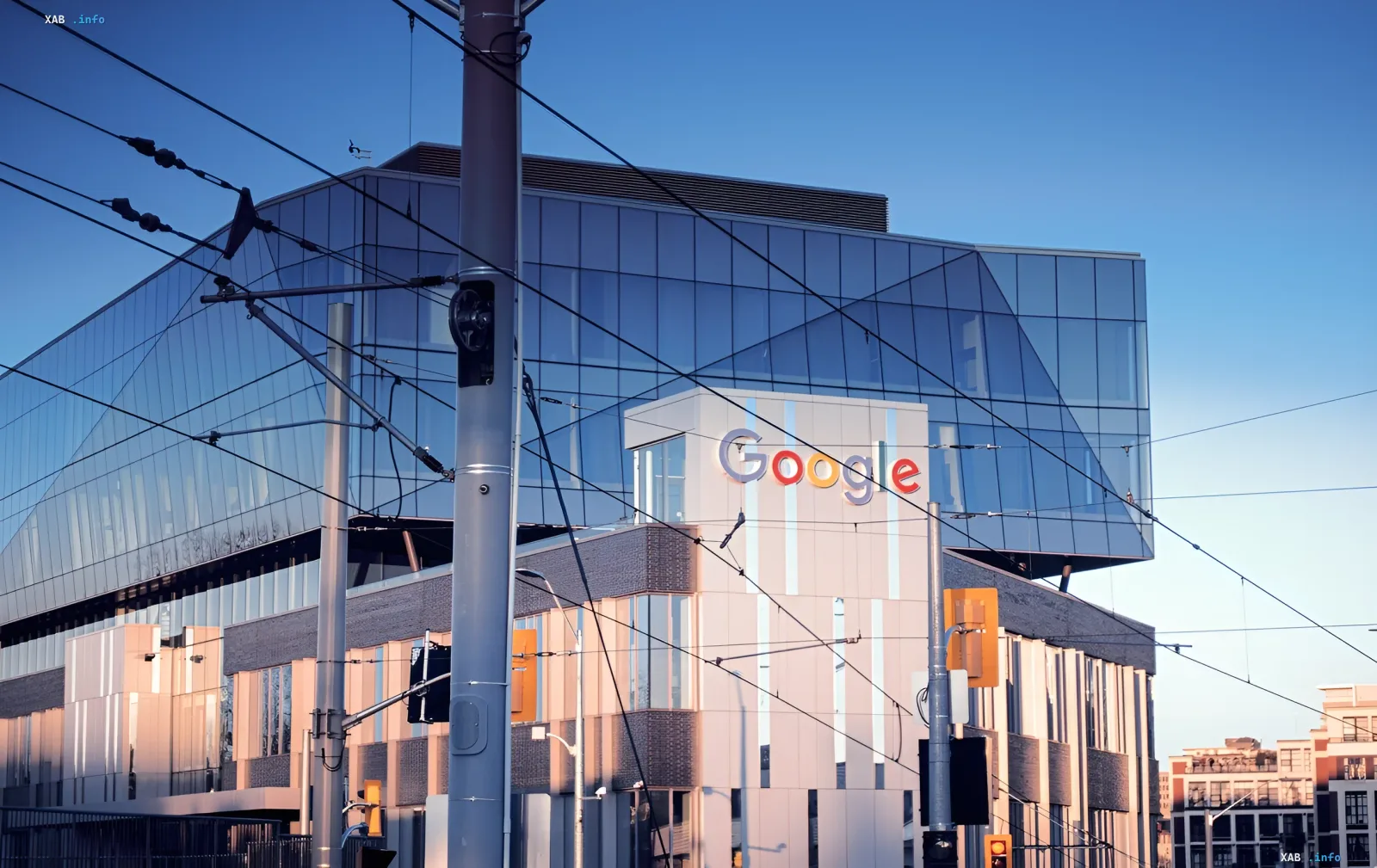
A sensation has occurred in the world of tech giants, overturning the perception of computing resource distribution. Google, traditionally considered the world's largest owner of artificial intelligence infrastructure, has concluded a massive deal with SpaceX. According to official documents from the U.S. Securities and Exchange Commission (SEC), Elon Musk's company will provide the search giant with access to more than 110,000 NVIDIA graphics processing units (GPUs).
Financial terms and contract duration
The agreement, scheduled for the period from October 2026 to June 2029, provides for colossal monthly payments. Google is obligated to pay SpaceX $920 million for the rental of computing hardware. This makes the deal one of the most expensive in the history of data center leasing.
For comparison, the contract structure resembles the agreement signed by SpaceX with the company Anthropic at the end of May. However, the sums there are even higher: Anthropic pays $1.25 billion a month for the full rental of the Colossus 1 data center in Tennessee, which was originally built by the startup xAI. Google, judging by the figures, receives approximately half of a similar volume of computing power, although the exact geographical location of the servers for this deal remains a secret for now.
The paradox of the market leader
The situation seems paradoxical: why would Google, possessing its own huge computing power, rent hardware from a competitor? Google Cloud representatives explained this step as a critical necessity. According to them, this is a short-term deal designed to ensure temporary capacity.
"We have recorded a rapid growth in client demand for our Gemini Enterprise agent platform, which turned out to be significantly higher than we forecasted," the tech giant explained. Thus, renting from SpaceX acts as a "bridge," allowing them to cover peak loads.
Record investments by Alphabet
To finance such large-scale projects, Google's parent company — Alphabet — has launched an unprecedented investment campaign. This year, the corporation's capital expenditures have already exceeded $180 billion. To cover further expenses, the conglomerate announced the sale of its own stock totaling $80 billion.
Strict conditions and risks
The contract contains strict conditions for both parties. SpaceX is obliged to provide full access to the stated number of GPUs by September 30, 2026. If the deadline is missed and, after the completion of a one-month grace period, Google does not receive the resources, the company will have the right to instantly annul the agreement or demand a reduction in the monthly fee.
There is also a clause regarding the possibility of terminating the deal with 90 days' notice, which comes into force after December 31, 2026. This gives Google flexibility in resource management in case of changes in market conditions.
Strategic context and IPO
The announcement of the new contract came just one week before the start of SpaceX stock trading on the Nasdaq exchange. According to the documents, the company plans to raise about $75 billion with a total business valuation of $1.75 trillion, which will become the largest initial public offering (IPO) in history.
For Google, this deal brings not only operational but also financial benefits. As a long-time investor in SpaceX, the corporation will receive colossal profits: after the IPO, its stake in Musk's company will be valued at more than $100 billion.
Cooperation is not limited to terrestrial data centers. The corporations are already negotiating the next strategic step — the creation of joint orbital data centers in space, which opens a new chapter in the development of cloud technologies.


